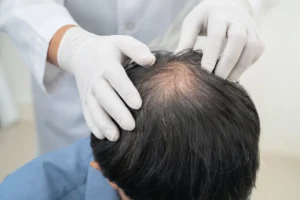
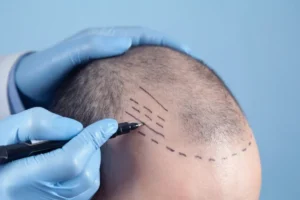
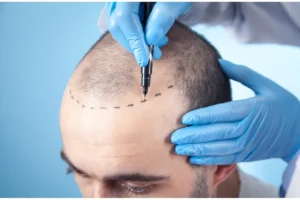
Yes, women can get hair transplants, and the options available today are more refined than ever before. This article explains the science behind female hair loss, the transplant techniques suited for women, what to expect during and after the procedure, and how to choose a reputable clinic. With an estimated 20 % of women experiencing noticeable thinning by age 50, understanding these solutions is essential for anyone seeking to restore confidence and a fuller hairstyle.
We’ll explore why hair loss in women differs from men, which methods—such as FUE and DHI—are most commonly used for female patients, and how costs compare across different regions. Whether you’re dealing with diffuse thinning, a receding hairline, or patterned baldness, the information here will help you make an informed decision about a hair transplant.
By the end of this guide, you’ll know the eligibility criteria, the steps involved in the surgery, realistic expectations for results, and the factors that influence the overall investment. Let’s begin the journey toward a natural‑looking, lasting solution for women’s hair loss.
Understanding Female Hair Loss and Transplant Eligibility
Before deciding on a procedure, it’s important to recognize the unique patterns of hair loss that affect women. While men often experience a distinct receding hairline, women typically see diffuse thinning across the crown and widening part lines. The most common cause is female pattern hair loss, which is driven by genetics and hormonal changes.
Causes of Hair Thinning in Women
- Hormonal fluctuations (e.g., menopause, thyroid disorders)
- Genetic predisposition (female pattern hair loss)
- Stress and nutritional deficiencies
- Medical conditions such as polycystic ovary syndrome (PCOS)
- Medications including chemotherapy and certain birth control pills
Eligibility for a hair transplant for women depends on several factors:
- Stable hair loss pattern for at least 12 months
- Adequate donor area (typically the back of the scalp)
- Realistic expectations regarding density and coverage
- Overall health status suitable for minor surgery
| Factor | Male Pattern | Female Pattern |
|---|---|---|
| Typical Area Affected | Frontal hairline, temples | Crown, widening part |
| Hairline Shape | Recurrence, “M” shape | Generally intact, but thinning |
| Donor Area Quality | Usually abundant | May be limited, requires careful planning |
Because women can indeed undergo hair transplantation, the decision hinges on these medical and aesthetic considerations. If you meet the criteria, the next step is selecting a technique that offers the most natural results.

Popular Transplant Techniques for Women
When it comes to female hair transplant options, two methods dominate the market: Follicular Unit Extraction (FUE) and Direct Hair Implantation (DHI). Both are minimally invasive, leave no linear scar, and can be tailored to the subtle density needs of women.
Follicular Unit Extraction (FUE)
FUE involves extracting individual follicular units from the donor area using a micro‑punch tool, then implanting them into the recipient zones. This method is especially popular for women because it allows precise placement in thin or patchy areas without a visible scar.
Direct Hair Implantation (DHI)
DHI uses a specialized implanter pen that inserts follicles directly without the need for pre‑made incisions. The technique reduces handling time, which can improve graft survival—an advantage for patients with limited donor hair.
Other techniques, such as no‑shave FUE, are gaining traction for women who wish to avoid a completely shaved head during the procedure. These methods use smaller punches and targeted extraction, preserving the existing hair while still providing effective coverage.
- FUE – ideal for most female patterns, offers flexibility
- DHI – higher graft survival, quicker implantation
- No‑Shave FUE – discreet, suitable for short hairstyles
Choosing the right technique depends on your hair density, the size of the area needing restoration, and personal preferences regarding post‑procedure appearance.
What to Expect: Procedure, Recovery, and Results
Understanding the timeline of a hair transplant for women helps set realistic expectations and eases anxiety. The process can be divided into three phases: the day of surgery, the immediate recovery period, and the long‑term growth phase.
Day of Surgery
On the day of the procedure, the surgeon will administer local anesthesia, extract grafts, and implant them according to the pre‑planned design. The entire session typically lasts 4–8 hours, depending on the number of grafts.
Recovery Timeline
| Day | What to Expect |
|---|---|
| 1‑2 | Mild redness and swelling; gentle washing allowed after 48 hours |
| 3‑7 | Scabs form around grafts; avoid strenuous activity |
| 2‑4 weeks | Shedding of transplanted hairs (normal) |
| 3‑6 months | New hair growth begins, appearing as fine “peach fuzz” |
| 9‑12 months | Full maturation of grafts; final density assessment |
Results for Women
Most women notice a natural‑looking improvement after 9–12 months. Because female hair loss often presents as diffuse thinning, the goal is to create the illusion of greater volume rather than a dramatic hairline shift. Properly placed grafts blend seamlessly with existing hair, delivering a subtle yet confidence‑boosting transformation.
- Initial shedding is normal and indicates graft acceptance
- Full results typically appear after one year
- Maintenance with gentle hair care products enhances longevity
Cost Considerations and Financing Options
The financial aspect of a hair transplant for women often influences the decision-making process. Prices vary based on the number of grafts, technique, and geographic location. In Turkey, where Gold City Hair operates, the average cost ranges from $1,800 to $3,200 for a comprehensive female procedure, which is considerably lower than the $5,000–$12,000 range typical in the United States.
Factors Influencing Price
- Number of grafts required (usually 1,500–2,500 for women)
- Chosen technique (FUE vs. DHI vs. no‑shave FUE)
- Clinic reputation and surgeon experience
- Included services (e.g., medication, post‑op care, accommodation)
Financing and Packages
Many clinics, including Gold City Hair, offer all‑inclusive packages that cover the procedure, medication, and a short stay in a comfortable hotel. Payment plans, medical loans, and credit card options are also available to spread the cost over several months.
When evaluating cost, consider the long‑term value of a permanent solution compared to temporary cosmetic products. A well‑executed transplant can reduce ongoing expenses on wigs, extensions, or topical treatments.
Choosing the Right Clinic: Questions to Ask and Red Flags
Selecting a qualified clinic is critical for achieving safe and satisfactory results. Below are essential questions to ask during your consultation and warning signs to watch for.
Key Questions
- How many female hair transplants has the surgeon performed?
- Can you provide before‑and‑after photos of women with similar hair loss patterns?
- Which technique do you recommend for my specific condition and why?
- What is included in the all‑inclusive price?
- How do you handle post‑operative care and follow‑up?
Red Flags
- Lack of transparent pricing or hidden fees
- No clear evidence of surgeon credentials or experience
- Pressure to book immediately without a thorough assessment
- Unrealistic promises of 100 % coverage or instant results
By asking the right questions and avoiding clinics that exhibit these red flags, you increase the likelihood of a successful, natural‑looking outcome.
Why Choose Gold City Hair for Your Female Hair Transplant
Gold City Hair combines cutting‑edge technology with a personalized approach, making it an ideal destination for women seeking reliable hair restoration. Since 2017, the clinic has performed thousands of successful procedures, specializing in FUE, DHI, and discreet no‑shave techniques tailored to female patterns of hair loss. Transparent communication, comprehensive after‑care, and a commitment to natural aesthetics set Gold City Hair apart as a trusted partner in your confidence‑building journey.
Ready to take the first step toward fuller, healthier hair? Contact Gold City Hair today to schedule your personalized consultation and discover a treatment plan designed just for you.
Experience the confidence that comes with a natural‑looking transformation—book now and let our expert team guide you every step of the way.
FAQ
Can women undergo hair transplant procedures?
Yes, women are eligible for hair transplants if they meet specific criteria such as stable hair loss and sufficient donor area.
What are the most common causes of hair thinning in women?
Hormonal changes, genetics, stress, nutritional deficiencies, and certain medical conditions or medications are typical causes.
Which hair transplant techniques are best suited for female patients?
FUE, DHI, and no‑shave FUE are the most popular methods for women because they are minimally invasive and scar‑free.
How long does it take to see results after a female hair transplant?
Visible growth typically begins at 3‑6 months, with full results evident by 9‑12 months.
What factors influence the cost of a hair transplant for women?
Number of grafts, chosen technique, clinic reputation, location, and included services affect pricing.
What should I look for when choosing a hair transplant clinic?
Verify surgeon experience with female cases, request before‑and‑after photos, ensure transparent pricing, and assess post‑op support.