The telogen stage is a natural part of the hair growth cycle that most people rarely notice, yet it plays a crucial role in overall hair health. During this resting phase, hair follicles pause before new growth begins, and a small amount of shedding is perfectly normal. However, when the telogen phase is prolonged or triggered by external factors, it can lead to noticeable hair loss known as telogen effluvium. This article explores what happens during the telogen stage, why it may become problematic, and practical steps you can take to support a healthy hair cycle.
Understanding the timing and physiology of this phase helps you distinguish between normal shedding and a warning sign of underlying issues. Whether stress, hormonal changes, or nutritional deficiencies are at play, recognizing the patterns can guide you toward effective solutions, including professional treatments offered by Gold City Hair.
Read on to discover the science behind the telogen stage, common triggers of prolonged shedding, and how you can nurture your scalp for stronger, fuller hair.
What Happens During the Telogen Stage?
After a hair follicle completes the active growth period known as the anagen phase, it enters the telogen stage, a resting period that typically lasts about 2‑3 months. During this time, the follicle remains dormant while the existing hair strand is fully formed and attached to the scalp. At the end of the telogen phase, the follicle re‑enters the anagen phase, pushing out the old strand and starting a new growth cycle.
Duration of the Telogen Phase
- Average length: 2‑3 months for scalp hair.
- Variability: Can be shorter on facial hair (beard, eyebrows) and longer on body hair.
- Age factor: Older individuals may experience a slightly extended telogen period.
Physiological Changes
While in telogen, the hair follicle’s metabolic activity slows, and the blood supply to the bulb diminishes. This reduced activity is why the hair does not grow during this stage. The follicle also prepares for the next anagen cycle by rebuilding the dermal papilla, the structure that supplies nutrients to the growing hair.
| Phase | Typical Duration | Main Activity |
|---|---|---|
| Anagen (Growth) | 2‑6 years | Cell division & keratin production |
| Catagen (Transition) | 2‑3 weeks | Follicle shrinks, prepares for rest |
| Telogen (Rest) | 2‑3 months | Follicle dormant, shedding prepares |
Understanding these timelines helps you recognize that losing up to 100 hairs per day is normal and usually occurs during the telogen stage. Problems arise when a larger proportion of follicles enter telogen simultaneously, leading to visible thinning.
Causes of Prolonged Telogen Phase and Telogen Effluvium
When the telogen stage extends beyond its normal length, the result is often telogen effluvium, a diffuse shedding condition that can be alarming but is usually reversible. Several factors can push a larger number of follicles into the resting phase at once.
Physical and Emotional Stress
Major surgery, severe illness, or intense emotional stress can trigger a sudden shift in the hair cycle. The body prioritizes vital functions over hair growth, causing many follicles to pause and enter telogen. This is why patients often notice increased shedding a few months after a stressful event.
Hormonal Changes
Pregnancy, postpartum periods, thyroid disorders, and hormonal fluctuations associated with menopause can all affect the hair cycle. Hormones such as estrogen and testosterone influence the duration of the anagen phase; imbalances may shorten growth and lengthen rest.
Nutritional Deficiencies
- Iron deficiency – essential for oxygen transport to follicles.
- Zinc and biotin – support keratin synthesis.
- Protein shortage – limits the building blocks for new hair.
Even a short‑term deficiency can cause a noticeable increase in telogen shedding.
Medications and Treatments
Certain drugs, including anticoagulants, retinoids, and chemotherapy agents, are known to disrupt the hair cycle. Additionally, rapid weight loss diets or extreme caloric restriction can act as a physiological stressor.
Identifying the underlying cause is key to addressing telogen effluvium. While many cases resolve on their own as the trigger is removed, persistent shedding may require medical evaluation.
How to Identify Telogen Shedding vs. Normal Hair Loss
Distinguishing between everyday hair shedding and problematic telogen loss helps you decide whether to seek professional advice. Here are key indicators that the shedding may be beyond the normal range.
Signs of Excessive Telogen Shedding
- Hair loss exceeds 100 strands per day, noticeable on pillows or in the shower.
- Uniform thinning across the scalp rather than localized patches.
- Sudden increase in shedding following a stressful event, illness, or medication change.
- Hair appears thinner when pulled gently (positive hair pull test).
Diagnostic Tools
Dermatologists may perform a pull test, trichoscopy, or scalp biopsy to confirm that a high proportion of hairs are in the telogen phase. Blood tests can also reveal underlying deficiencies or hormonal imbalances.
When you notice these patterns, documenting the timing and any recent life changes can assist clinicians in pinpointing the cause of the telogen shift.
Supporting a Healthy Hair Cycle: Tips to Shorten the Telogen Phase
While you cannot completely control the natural timing of the telogen stage, lifestyle adjustments and targeted treatments can promote a quicker return to the anagen phase and reduce excessive shedding.
Nutrition and Supplements
- Increase intake of iron‑rich foods (red meat, lentils, spinach) to combat iron‑deficiency related shedding.
- Consume biotin‑rich foods (eggs, nuts, sweet potatoes) or consider a biotin supplement.
- Ensure adequate protein (lean meats, dairy, legumes) to provide keratin building blocks.
- Omega‑3 fatty acids (fish oil, flaxseed) support scalp circulation.
Stress Management
Incorporate relaxation techniques such as meditation, yoga, or regular aerobic exercise. Reducing cortisol levels helps prevent stress‑induced telogen entry.
Scalp Care Practices
- Gentle cleansing with sulfate‑free shampoos to avoid follicle irritation.
- Scalp massage to improve blood flow and stimulate the dermal papilla.
- Avoid tight hairstyles that cause traction alopecia, which can exacerbate telogen shedding.
Medical Interventions
Topical minoxidil has been shown to prolong the anagen phase and shorten telogen, while platelet‑rich plasma (PRP) therapy can enhance follicular health. For persistent telogen effluvium, a dermatologist may recommend corticosteroid injections or address hormonal imbalances.
Implementing these strategies consistently can help your hair return to its normal growth rhythm within a few months.
When to Seek Professional Help: Hair Transplant Considerations
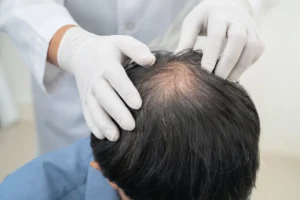
If telogen shedding persists beyond six months, or if you notice significant thinning that affects your confidence, consulting a hair restoration specialist is advisable. Professional evaluation can determine whether the issue is a reversible telogen effluvium or a more permanent form of hair loss that may benefit from transplant techniques.
Assessing Suitability for Transplant
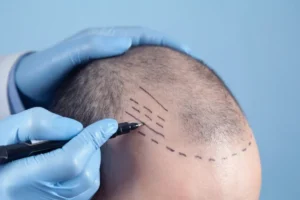
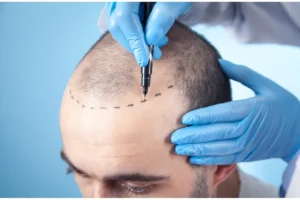
Gold City Hair specializes in modern hair restoration methods such as Follicular Unit Extraction (FUE) and Direct Hair Implantation (DHI). Before a transplant, surgeons assess donor area density, scalp laxity, and the health of existing follicles. A thorough review ensures that transplanted hairs will thrive in a scalp that is not in an active telogen phase.
Combining Treatments
Many patients combine medical therapies (e.g., minoxidil, PRP) with surgical restoration to maximize results. Addressing any underlying telogen‑related issues first can improve graft survival and overall outcome.
Choosing an experienced clinic that offers personalized care, transparent communication, and post‑procedure support—qualities embodied by Gold City Hair—can make the difference between a satisfactory result and a missed opportunity.
Why Choose Gold City Hair for Hair Restoration
Gold City Hair has been delivering safe, effective hair transplant solutions in Turkey since 2017. Our team of certified surgeons uses advanced FUE and DHI techniques to ensure natural‑looking results with minimal downtime. We prioritize a personalized experience, offering thorough consultations, clear treatment plans, and ongoing after‑care. By combining scientific expertise with compassionate service, Gold City Hair helps you regain confidence and achieve lasting hair health.
Ready to restore your hair and confidence? Contact Gold City Hair today to schedule a free, no‑obligation consultation with our expert team.
Take the first step toward a fuller, healthier scalp—your journey begins now.
FAQ
What is the telogen stage of the hair growth cycle?
The telogen stage is the resting phase of the hair cycle when follicles pause before new growth begins.
How long does the telogen phase normally last?
Usually 2‑3 months for scalp hair, shorter on facial hair and longer on body hair.
What are common causes of telogen effluvium?
Stress, hormonal changes, nutritional deficiencies, certain medications, and rapid weight loss can trigger telogen effluvium.
How can I tell if my hair shedding is normal or a sign of telogen effluvium?
Excessive shedding (>100 hairs/day), uniform thinning, and a recent stressor suggest telogen effluvium.
What lifestyle changes can help shorten the telogen phase?
Improve nutrition, manage stress, use gentle scalp care, and consider medical treatments like minoxidil or PRP.
When should I consider a hair transplant for telogen‑related hair loss?
If shedding persists beyond six months or causes significant thinning affecting confidence.