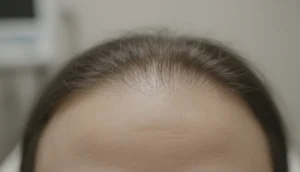
The phenomenon of hair loss front affects millions worldwide, often manifesting as a thinning or receding hairline that can impact confidence. This article delves into the underlying causes, diagnostic approaches, and both non‑surgical and surgical solutions available today. By the end, you’ll know how to identify early signs, choose appropriate therapies, and set realistic expectations for recovery.
According to recent dermatology surveys, approximately 30% of men and 20% of women notice noticeable front hair loss by the age of 35. Early intervention is key, as progressive thinning can become more challenging to treat over time. Whether the issue stems from genetics, hormonal shifts, or lifestyle factors, understanding the root cause empowers you to select the most effective treatment plan.
In the following sections we will explore the science behind front hair loss, examine diagnostic tools, compare medical and surgical options, and provide practical after‑care tips to maintain results. Let’s begin by uncovering the most common triggers.
Common Causes of Front Hair Loss

Front hair loss is rarely the result of a single factor; it usually involves a combination of genetic, hormonal, and environmental influences. Recognizing these triggers helps you and your clinician develop a targeted strategy.
Genetic and Hormonal Factors
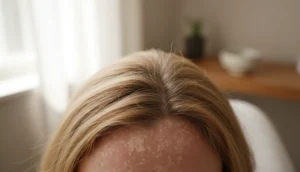
One of the leading contributors is androgenetic alopecia, often referred to as male or female pattern baldness. This hereditary condition causes miniaturization of hair follicles, especially around the frontal scalp. In men, it frequently appears as a receding hairline, while women may experience diffuse thinning at the front.
Autoimmune Conditions
Autoimmune disorders such as alopecia areata can target the frontal region, leading to sudden patches of hair loss. When the immune system attacks the hair follicle, the result is rapid shedding that may be reversible with appropriate therapy.
Scarring Alopecias
Conditions like frontal fibrosing alopecia cause permanent damage to the hair follicle, resulting in scar tissue that prevents regrowth. Early detection and treatment are essential to halt progression.
Mechanical and Lifestyle Influences
- Traction alopecia from tight hairstyles or frequent pulling.
- Chronic stress leading to telogen effluvium, where hair enters the resting phase prematurely.
- Nutritional deficiencies, especially iron and vitamin D.
Diagnosing Front Hair Loss Accurately
Accurate diagnosis is the cornerstone of effective treatment. Dermatologists and hair restoration specialists employ a combination of visual assessment, medical history, and specialized tests to pinpoint the exact cause of front hair loss.
Clinical Examination
A thorough scalp examination includes evaluating hair density, follicle miniaturization, and the pattern of thinning. The clinician may use a dermatoscope to magnify the scalp, revealing subtle signs of follicular health.
Laboratory Tests
Blood work can uncover hormonal imbalances, thyroid dysfunction, or nutritional deficiencies that contribute to hair shedding. Common panels include:
- Complete blood count (CBC)
- Thyroid-stimulating hormone (TSH)
- Serum ferritin and iron levels
- Androgen panel (testosterone, DHT)
Trichoscopy and Scalp Biopsy
Trichoscopy provides a non‑invasive view of hair shaft characteristics, while a scalp biopsy may be necessary for scarring alopecias. The table below contrasts the primary diagnostic tools.
| Method | Purpose | Invasiveness |
|---|---|---|
| Visual Exam | Assess pattern & severity | Non‑invasive |
| Dermatoscopy | Identify follicle miniaturization | Non‑invasive |
| Blood Tests | Detect systemic causes | Minimally invasive |
| Scalp Biopsy | Confirm scarring alopecia | Invasive |
Non‑Surgical Treatment Options for Front Hair Loss
Before considering transplantation, many patients explore medical therapies that can stabilize or even reverse early-stage front hair loss. These treatments are often used in combination for optimal results.
Topical Treatments
Minoxidil remains the most widely used over‑the‑counter solution. Applied twice daily, it stimulates blood flow to the follicles and prolongs the growth phase. While effective for many, results typically appear after three to six months of consistent use.
Oral Medications
Finasteride, a prescription oral drug, reduces dihydrotestosterone (DHT) levels, addressing the hormonal driver of androgenetic alopecia. It is most effective for men but may be prescribed off‑label for women under close supervision.
Advanced Therapies
- Low‑Level Laser Therapy (LLLT): Uses red light to enhance cellular metabolism in hair follicles.
- Platelet‑Rich Plasma (PRP): Injects concentrated platelets to promote healing and growth.
- Topical anti‑inflammatories: Reduce scalp inflammation associated with alopecia areata.
Lifestyle Adjustments
Addressing stress, improving nutrition, and avoiding harsh hair practices can complement medical treatments. Regular exercise and a balanced diet rich in proteins, omega‑3 fatty acids, and antioxidants support overall hair health.
Surgical Restoration: FUE and DHI for Front Hair Loss
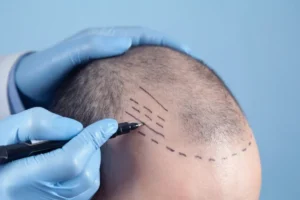
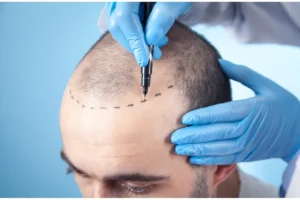
When medical options no longer provide sufficient coverage, surgical hair transplantation offers a permanent solution. The two most popular techniques for restoring the frontal hairline are Follicular Unit Extraction (FUE) and Direct Hair Implantation (DHI).
FUE Overview
FUE involves harvesting individual follicular units from a donor area—typically the back of the scalp—and implanting them into the thinning front zone. The method leaves tiny, dot‑like scars that are virtually invisible.
DHI Overview
DHI utilizes a specialized implanter pen that places grafts directly into the recipient site without creating pre‑made incisions. This can improve graft survival rates and allow for a denser, more natural hairline.
Comparison Table
| Feature | FUE | DHI |
|---|---|---|
| Extraction Method | Individual punches | Individual punches |
| Implantation | Pre‑made slits | Implanter pen (no slits) |
| Graft Survival | 85‑90% | 90‑95% |
| Recovery Time | 7‑10 days | 5‑7 days |
| Ideal For | Moderate to extensive loss | Precise frontal hairline work |
Both techniques are performed under local anesthesia, and patients typically resume normal activities within a week. Choosing between FUE and DHI depends on the size of the balding area, desired density, and personal preferences regarding recovery.
Post‑Transplant Care for a Healthy Front Hairline
Successful transplantation extends beyond the operating room. Proper after‑care maximizes graft survival and promotes natural growth.
Immediate Post‑Operative Phase (Days 0‑7)
- Keep the scalp clean with gentle saline rinses.
- Avoid direct sun exposure and strenuous exercise.
- Follow prescribed pain management and anti‑inflammatory medication.
Growth Phase (Weeks 2‑12)
During this period, transplanted hairs shed before entering the growth cycle. Maintaining a healthy scalp environment with mild shampoos and avoiding tight headwear supports new growth.
Long‑Term Maintenance (Months 4‑12)
Most patients see visible density improvements after 6‑9 months. Continuing low‑dose minoxidil or PRP sessions can enhance thickness. Regular follow‑up appointments allow the surgeon to monitor progress and address any concerns.
Patience is essential; full results are typically evident by the 12‑month mark, with continued thickening up to 18 months.
Why Choose Gold City Hair for Front Hair Loss Solutions
Gold City Hair combines over five years of expertise with cutting‑edge FUE and DHI technologies, delivering personalized treatment plans tailored to each patient’s unique pattern of front hair loss. Our team prioritizes transparent communication, thorough diagnostics, and post‑operative support to ensure natural, lasting results. Located in Turkey, we offer world‑class care at a cost‑effective price, helping you regain confidence and a full, healthy hairline.
Ready to restore your front hairline? Contact Gold City Hair today to schedule a confidential consultation and discover the best treatment pathway for you.
Take the first step toward a fuller, more confident you—our specialists are here to guide you every step of the way.
FAQ
What are the main causes of front hair loss?
Front hair loss is usually caused by a mix of genetic, hormonal, autoimmune, scarring, and lifestyle factors.
How is front hair loss diagnosed by specialists?
Diagnosis combines visual scalp examination, dermatoscopy, blood tests, and sometimes a scalp biopsy.
What non‑surgical treatments are effective for front hair loss?
Topical minoxidil, oral finasteride, low‑level laser therapy, PRP, and lifestyle changes are common non‑surgical options.
How do FUE and DHI hair transplants differ for restoring the frontal hairline?
FUE extracts individual grafts and creates pre‑made slits, while DHI implants grafts directly with a pen, offering higher survival and denser lines.
What post‑transplant care is recommended to ensure graft survival?
Gentle scalp cleaning, sun protection, avoiding strenuous activity, and using mild shampoos support graft survival after surgery.