The search for ways to prevent balding is common among men and women who notice early signs of thinning hair. Understanding why hair loss occurs and adopting proactive measures can dramatically reduce the risk of progressing to noticeable baldness. In fact, studies show that up to 40% of men experience some degree of hair thinning by age 35, making early intervention essential.
This article explores the underlying causes of hair loss, practical lifestyle changes, nutritional support, and professional options that together form a comprehensive plan to keep your hair healthy. Whether you’re dealing with alopecia, a receding hairline, or general thinning, the strategies outlined here are designed to empower you with knowledge and actionable steps.
By the end of this guide, you will have a clear roadmap to protect your follicles, support regrowth, and maintain confidence in your appearance.
Understanding the Causes of Hair Loss
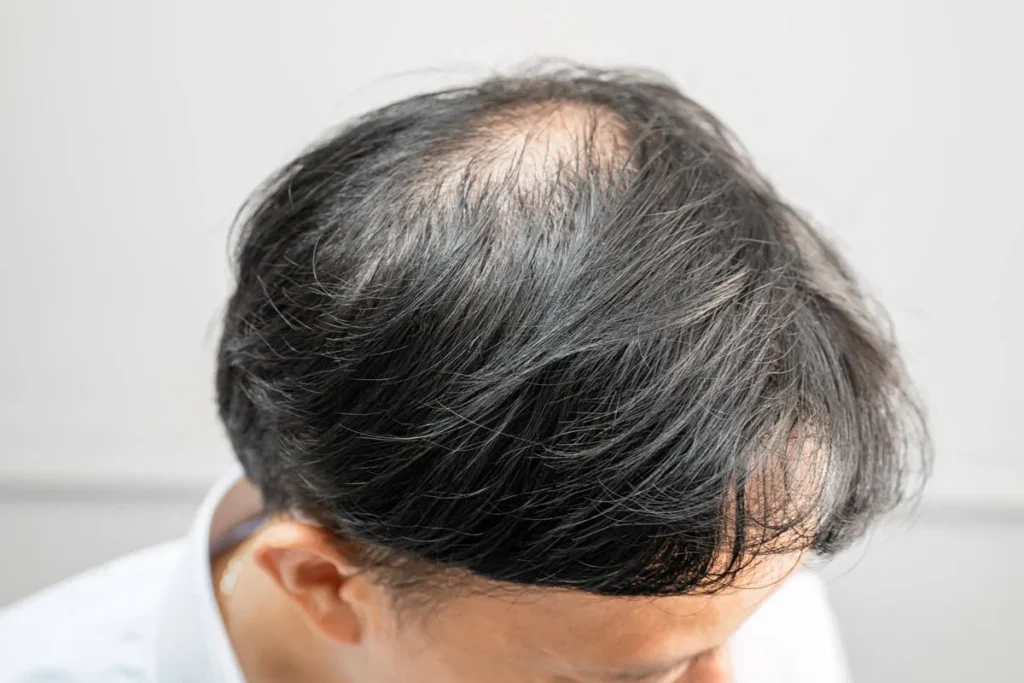
Before implementing any preventive measures, it’s crucial to recognize the primary drivers behind hair loss. The most common form, androgenetic alopecia (often called male or female pattern baldness), is genetically predisposed and linked to the hormone dihydrotestosterone (DHT). DHT shrinks hair follicles, shortening the growth phase and leading to finer strands over time.
Other contributors include:
- Autoimmune conditions such as alopecia areata, where the immune system attacks hair follicles.
- Hormonal fluctuations, especially during menopause or thyroid disorders.
- Physical or emotional stress, which can trigger telogen effluvium—a temporary shedding phase.
- Traction from tight hairstyles, known as traction alopecia.
Identifying the specific cause is the first step toward effective prevention. A dermatologist can perform a scalp examination and, if needed, a blood test to rule out underlying medical issues.
| Cause | Typical Pattern | Key Indicator |
|---|---|---|
| Androgenetic Alopecia | Gradual thinning at temples and crown | Family history of baldness |
| Alopecia Areata | Sudden round patches | Autoimmune markers |
| Telogen Effluvium | Diffuse shedding | Recent stress or illness |
| Traction Alopecia | Hair loss along hairline | Frequent tight hairstyles |
Lifestyle Adjustments for Healthy Hair
Everyday habits have a profound impact on hair health. Simple changes can create an environment where follicles thrive, reducing the need for more invasive interventions.
Stress Management
Chronic stress elevates cortisol levels, which can disrupt the hair growth cycle. Incorporating relaxation techniques—such as meditation, deep‑breathing exercises, or regular physical activity—helps maintain hormonal balance and supports the anagen (growth) phase.
Scalp Care Routine
A clean, well‑circulated scalp provides essential nutrients to hair follicles. Use a gentle, sulfate‑free shampoo no more than two to three times per week to avoid stripping natural oils. Periodic scalp massages with fingertips for 5–10 minutes stimulate blood flow, encouraging nutrient delivery.
Avoiding Mechanical Damage
Excessive heat styling, harsh brushing, and tight hairstyles can cause micro‑trauma to the hair shaft. Opt for a wide‑tooth comb, limit the use of flat irons, and choose looser hairstyles to minimize stress on the roots.
- Sleep on a silk pillowcase to reduce friction.
- Limit chemical treatments like bleaching and perming.
- Use a leave‑in conditioner with antioxidants.
By integrating these lifestyle adjustments, you create a solid foundation that supports natural hair preservation.
Nutritional Support and Supplements
Hair is primarily made of keratin, a protein that requires a steady supply of specific nutrients to grow strong and resilient. A balanced diet rich in vitamins, minerals, and healthy fats can significantly influence the rate of hair loss.
Key Nutrients
- Biotin (Vitamin B7) – Supports keratin production; found in eggs, nuts, and legumes.
- Vitamin D – Regulates hair follicle cycling; sunlight exposure and fortified foods are primary sources.
- Iron – Deficiency is linked to diffuse hair shedding; present in red meat, spinach, and lentils.
- Zinc – Essential for DNA and protein synthesis in hair cells; abundant in pumpkin seeds and oysters.
- Omega‑3 fatty acids – Reduce inflammation and improve scalp health; sourced from fatty fish, flaxseed, and walnuts.
Supplement Considerations
While a nutrient‑dense diet is ideal, supplements can fill gaps for those with restrictive diets or increased needs. Look for products that combine biotin, vitamin D, zinc, and marine collagen. Always consult a healthcare professional before starting any regimen, especially if you have underlying health conditions.
In addition to oral supplements, topical solutions containing minoxidil can complement nutritional strategies by directly stimulating follicle activity.
Professional Treatments and Early Interventions
When preventive lifestyle and nutritional measures are insufficient, medical options can halt or even reverse hair loss. Early consultation with a qualified specialist increases the likelihood of successful outcomes.
Topical and Oral Medications
Minoxidil (a topical solution) is FDA‑approved for both men and women and works by widening blood vessels in the scalp, enhancing nutrient delivery. Finasteride, an oral prescription for men, reduces DHT levels, directly addressing the hormonal cause of androgenetic alopecia.
Low‑Level Laser Therapy (LLLT)
LLLT devices emit red light that stimulates cellular activity in hair follicles, encouraging the anagen phase. Clinical studies report modest improvements in hair density after consistent use for several months.
Hair Transplant Options
For individuals with advanced thinning, procedures such as Follicular Unit Extraction (FUE) and Direct Hair Implantation (DHI) offer permanent, natural‑looking results. Gold City Hair, a leading clinic in Turkey, employs state‑of‑the‑art techniques to ensure high graft survival rates and minimal downtime.
| Treatment | Type | Typical Candidates | Result Timeline |
|---|---|---|---|
| Minoxidil | Topical | Early‑stage thinning | 4‑6 months |
| Finasteride | Oral | Male pattern baldness | 3‑6 months |
| LLLT | Device‑based | Diffuse thinning | 6‑12 months |
| FUE/DHI Transplant | Surgical | Advanced baldness | 12‑18 months |
Choosing the right combination of treatments depends on the cause, severity, and personal goals. A personalized plan crafted by an experienced surgeon maximizes the chance of preserving existing hair while restoring lost density.
Myths and Common Mistakes to Avoid
Misconceptions about hair loss can lead individuals to ineffective or harmful practices. Clarifying these myths helps you focus on proven strategies.
Myth: Shaving the Head Makes Hair Grow Back Thicker
Hair thickness is determined by follicle size, not by the length of the hair shaft. Shaving only creates the illusion of thicker hair during regrowth but does not alter the underlying follicle.
Myth: Only Men Need to Worry About Balding
Women also experience hair thinning and pattern baldness, often linked to hormonal changes, stress, or nutritional deficiencies. Early detection and treatment are equally important for females.
Mistake: Overusing Hair Products
Heavy gels, sprays, and oils can clog follicles and cause scalp inflammation. Choose lightweight, non‑comedogenic products and wash regularly to maintain scalp health.
Mistake: Ignoring Early Signs
Delaying a professional assessment allows hair loss to progress beyond the point where non‑surgical methods are effective. Spotting a receding hairline or increased shedding should prompt a timely visit to a specialist.
By dispelling myths and steering clear of common pitfalls, you can stay focused on the most effective ways to prevent balding and preserve your confidence.
Why Choose Gold City Hair
Gold City Hair has been delivering personalized hair restoration solutions since 2017. Our clinic combines advanced FUE and DHI techniques with a patient‑first approach, ensuring transparent communication at every step. Whether you are exploring preventive measures or seeking a full transplant, our experienced team tailors each plan to your unique needs, delivering natural results and lasting confidence.
Ready to protect your hair and explore personalized solutions? Contact Gold City Hair today to schedule a confidential consultation and take the first step toward a fuller, healthier future.
FAQ
What are the main causes of hair loss?
The primary causes include androgenetic alopecia, alopecia areata, hormonal changes, stress‑induced telogen effluvium, and traction alopecia.
How can lifestyle changes help prevent balding?
Stress management, proper scalp care, and avoiding mechanical damage can create a healthier environment for hair follicles.
Which nutrients are essential for healthy hair growth?
Biotin, vitamin D, iron, zinc, and omega‑3 fatty acids are key for strong, resilient hair.
What are the most effective medical treatments for early hair loss?
Topical minoxidil, oral finasteride, low‑level laser therapy, and early‑stage hair transplants are proven options.
Does shaving the head make hair grow back thicker?
No, shaving only creates the illusion of thicker hair; follicle size determines actual thickness.
How does low‑level laser therapy work for hair restoration?
LLLT emits red light that stimulates cellular activity in follicles, promoting the growth phase and increasing density.