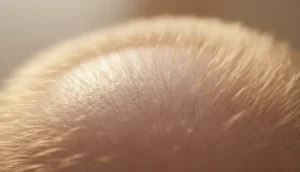
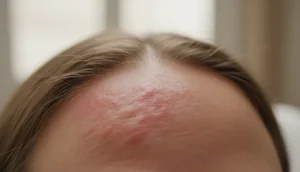
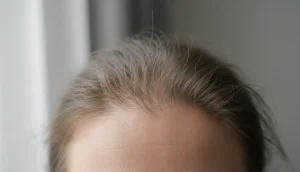
When it comes to hair care for thin hair, many people struggle to find routines that truly add body without weighing strands down. Thin hair, characterized by a smaller diameter and often a visible scalp, can feel fragile and lack the fullness many desire. Understanding why your hair appears thin and learning how to treat it properly can dramatically improve both its appearance and your confidence.
According to recent dermatology studies, up to 40% of adults experience some degree of hair thinning, making it one of the most common cosmetic concerns worldwide. The good news is that targeted hair care strategies—ranging from the right shampoo to lifestyle adjustments—can help you achieve a thicker look without resorting to invasive procedures.
This article explores the science behind thin hair, reviews the best products and techniques, and offers a practical daily routine that supports scalp health and promotes natural volume. Whether you have fine, wavy, or straight strands, the following tips are designed to empower you with the knowledge to care for thin hair effectively.
Understanding Thin Hair: Causes and Characteristics
Before you can treat thin hair, it’s essential to recognize its underlying causes. Genetics, hormonal changes, stress, nutritional deficiencies, and harsh styling practices can all contribute to reduced hair density. Identifying the root cause allows you to select the most appropriate products and habits.
Key characteristics of thin hair include:
- Fine strand diameter
- Visible scalp, especially under bright lighting
- Lack of natural volume and body
- Increased susceptibility to breakage
While some individuals are born with naturally fine hair, others may experience thinning over time. Hormonal shifts—such as those occurring during pregnancy, menopause, or thyroid disorders—can accelerate the process. Additionally, frequent use of high-heat tools and tight hairstyles can cause mechanical damage, leading to hair shaft weakening.
To assess your hair type, perform a simple test: gently run a finger through a dry strand. If the strand feels like a thin thread and you can easily see the scalp, you likely have thin hair. Understanding this baseline helps you choose products that add lift without adding weight.
Below is a comparison of common causes and recommended preventive measures:
| Cause | Impact on Hair | Preventive Action |
|---|---|---|
| Genetics | Inherent fine strands | Focus on volumizing products and scalp stimulation |
| Hormonal changes | Reduced growth phase | Consult a specialist; consider supplements |
| Stress | Telogen effluvium | Stress‑management techniques, balanced diet |
| Harsh styling | Breakage, split ends | Use low‑heat settings, gentle hair ties |
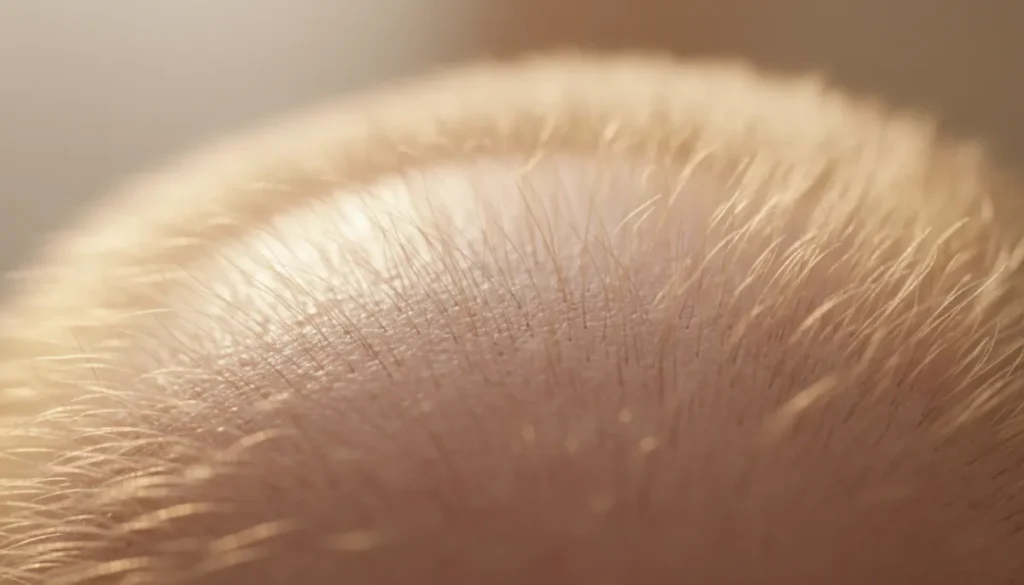
Choosing the Right Shampoo and Conditioner for Thin Hair
The foundation of any effective routine is a shampoo and conditioner formulated specifically for fine or thin hair. Look for products labeled “volumizing,” “lightweight,” or “thickening.” These formulas typically contain ingredients that coat the hair shaft lightly, creating the illusion of greater diameter without causing buildup.
Key ingredients to seek:
- Biotin – Supports keratin production
- Panthenol (Vitamin B5) – Adds moisture without heaviness
- Keratin peptides – Strengthen the cuticle
- Botanical extracts (e.g., rosemary, nettle) – Promote scalp circulation
Conversely, avoid shampoos with high concentrations of sulfates, silicones, or heavy oils, as they can weigh down fine strands and lead to product buildup that makes hair look limp.
Below is a shortlist of recommended product types for thin hair, grouped by primary benefit:
| Product Type | Primary Benefit | Typical Ingredients |
|---|---|---|
| Volumizing Shampoo | Adds lift at the roots | Biotin, panthenol, rosemary extract |
| Lightweight Conditioner | Detangles without heaviness | Keratin peptides, aloe vera, glycerin |
| Scalp Stimulating Serum | Improves blood flow | Caffeine, menthol, niacinamide |
Apply shampoo primarily to the scalp, massaging gently with fingertips to stimulate circulation. Let the lather run down the lengths of the hair, then rinse thoroughly. Follow with a small amount of conditioner, focusing on the mid‑shaft to ends, and avoid the roots to keep volume intact.
For an extra boost, incorporate a weekly clarifying rinse using a mild apple cider vinegar solution (1 part vinegar to 4 parts water). This helps remove residue from styling products, allowing your volumizing formulas to work more effectively.
Styling Techniques and Lightweight Products to Add Volume
Even the best shampoo cannot replace proper styling when dealing with thin hair. The goal is to create lift at the roots while maintaining a natural, non‑sticky finish. Below are proven techniques and product suggestions that work harmoniously with your hair care routine.
Blow‑Drying for Maximum Lift
Begin with a heat protectant spray that is specifically labeled “weightless” or “non‑greasy.” While the hair is still damp, flip your head upside down and use a low‑heat setting to dry the roots first. Once the roots are dry, lift sections with a round brush, directing airflow upward to create volume.
Root‑Lifting Sprays and Mousse
Apply a root‑lifting spray or lightweight mousse to the scalp before blow‑drying. These products contain polymers that swell the hair shaft, giving an instant thickening effect. Use only a pea‑size amount for each section to avoid a crunchy feel.
Dry Shampoo for Ongoing Freshness
Dry shampoo is a game‑changer for thin hair, as it absorbs excess oil and adds texture without the weight of a traditional conditioner. Look for formulas with rice starch or oat flour, which provide volume without residue.
Here’s a quick styling checklist:
- Apply heat protectant (weightless spray)
- Use root‑lifting mousse on damp hair
- Blow‑dry upside down, then lift with a round brush
- Finish with a light mist of dry shampoo for texture
Remember to keep styling tools clean; buildup on brushes or flat irons can transfer oils back onto the hair, negating the volumizing effect.
Hair Thickening Treatments and Supplements
While daily care is essential, many individuals benefit from supplemental treatments that target hair density at the follicular level. These options include topical serums, oral vitamins, and professional procedures that can be combined with your routine for optimal results.
Topical Hair Thickening Serums
Serums containing minoxidil, caffeine, or peptides can stimulate the hair growth cycle, prolonging the anagen (growth) phase. Apply directly to the scalp twice daily, focusing on thinning areas. Consistency is key; noticeable improvements typically appear after 3–4 months of regular use.
Oral Supplements
Vitamins and minerals that support keratin synthesis—such as biotin, zinc, iron, and Vitamin D—are often recommended for thin hair. A balanced supplement regimen can address nutritional gaps that contribute to hair loss.
Professional Non‑Surgical Options
For those seeking more immediate results, treatments like low‑level laser therapy (LLLT) or platelet‑rich plasma (PRP) injections have shown promise in stimulating dormant follicles. These procedures are performed under medical supervision and can complement your at‑home regimen.
Below is a concise overview of common thickening options:
| Option | Mechanism | Typical Time to See Results |
|---|---|---|
| Minoxidil Serum | Vasodilation, follicle stimulation | 3–4 months |
| Caffeine Topical | Improves scalp circulation | 2–3 months |
| Biotin & Zinc Supplements | Nutritional support for keratin | 6–12 weeks |
| LLLT (laser cap) | Photobiomodulation of follicles | 4–6 months |
Before beginning any supplement or topical regimen, consult a healthcare professional to ensure it aligns with your overall health profile.
Daily Care Routine and Lifestyle Tips for Maintaining Volume
Consistent daily habits are the backbone of lasting results. Simple adjustments to your routine can preserve the volume you work hard to achieve.
Gentle Cleansing and Moisture Balance
Wash your hair no more than every other day to prevent stripping natural oils that protect the scalp. When conditioning, use a light, spray‑in formula and focus on the ends rather than the roots.
Scalp Massage and Exercise
Massaging the scalp for 3–5 minutes each evening with fingertips (or a silicone brush) stimulates blood flow, delivering nutrients to hair follicles. Pair this with regular cardiovascular exercise, which also enhances overall circulation.
Nutrition and Hydration
A diet rich in lean proteins, omega‑3 fatty acids, and antioxidants supports hair strength. Foods such as salmon, walnuts, berries, and leafy greens provide essential nutrients. Aim for at least 8 glasses of water daily to keep the scalp hydrated.
Avoiding Heavy Styling Products
Products labeled “heavy,” “creamy,” or “oil‑rich” can quickly weigh down fine strands. Opt for lightweight gels, mousse, or texturizing sprays that provide hold without residue.
Summarized daily checklist:
- Wash with volumizing shampoo every 2 days
- Apply lightweight conditioner only to ends
- Use a root‑lifting mousse before blow‑drying
- Perform a 5‑minute scalp massage nightly
- Include protein‑rich meals and stay hydrated
- Limit heat styling to 2–3 times per week
Adhering to these practices not only maintains volume but also creates a healthier environment for potential hair restoration procedures, should you choose to explore them in the future.
Why Choose Gold City Hair
At Gold City Hair, we combine decades of expertise in hair restoration with a personalized approach to every client’s needs. Since 2017, our clinic in Turkey has delivered successful FUE, DHI, and eyebrow/beard transplants, emphasizing transparent communication and tailored treatment plans. Our team of certified specialists understands the challenges of thin hair and offers comprehensive consultations that integrate both medical and aesthetic solutions, ensuring you achieve lasting confidence.
Ready to transform your thin hair into a fuller, more vibrant look? Contact Gold City Hair today to schedule a personalized consultation and discover the best plan for your hair goals.
FAQ
What are the main causes of thin hair?
Thin hair can be caused by genetics, hormonal changes, stress, nutritional deficiencies, and harsh styling practices.
How can I choose the right shampoo for thin hair?
Look for volumizing, lightweight, or thickening shampoos that contain biotin, panthenol, and botanical extracts, and avoid heavy sulfates and silicones.
What styling techniques add volume without weighing hair down?
Blow‑dry upside down with a round brush, use root‑lifting sprays or lightweight mousse, and finish with dry shampoo for texture.
Are supplements effective for improving thin hair?
Supplements like biotin, zinc, iron, and vitamin D can support keratin production and may improve hair density when combined with a balanced diet.
What are non‑surgical treatments for thickening thin hair?
Topical minoxidil serum, caffeine‑based scalp serums, low‑level laser therapy (LLLT), and platelet‑rich plasma (PRP) injections are common non‑surgical options.
How often should I wash thin hair to maintain volume?
Wash no more than every other day to preserve natural oils and prevent the hair from becoming limp.