When inflammation and hair loss occur together, the result can be a frustrating cycle of thinning strands and an irritated scalp. Understanding this connection is essential for anyone seeking a lasting solution. Recent studies suggest that up to 30% of hair‑related complaints involve some form of scalp inflammation, making it a leading factor in both temporary and permanent hair loss.
This article explores the biological mechanisms behind inflammatory hair loss, identifies the most common triggers, and outlines practical steps to calm the scalp and promote regrowth. Whether you’re noticing a subtle thinning or a more pronounced bald patch, recognizing the role of inflammation can guide you toward effective treatments and lifestyle adjustments.
By the end of this guide, you’ll know how to spot early warning signs, what medical options are available, and how to support your hair health through daily habits—all backed by the expertise of Gold City Hair, a leading hair restoration clinic in Turkey.
The Role of Inflammation in Hair Follicle Health
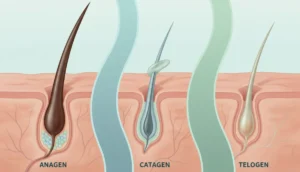
Hair follicles are mini‑organs that rely on a delicate balance of hormones, nutrients, and immune signaling. When the scalp’s immune system becomes overactive, it releases cytokines that can damage the follicular environment, leading to inflammation and hair loss. This process, known as follicular miniaturization, shortens the growth phase of hair and may eventually cause follicles to stop producing hair altogether.
Key Biological Pathways
- Pro‑inflammatory cytokines such as interleukin‑1 (IL‑1) and tumor necrosis factor‑alpha (TNF‑α) disrupt the hair cycle.
- Oxidative stress amplifies cellular damage, weakening the hair shaft.
- Microvascular changes reduce blood flow, depriving follicles of essential nutrients.
Impact on Different Types of Hair Loss
Inflammation can contribute to both non‑scarring and scarring alopecia. In conditions like alopecia areata, an autoimmune attack triggers sudden patches of hair loss, while chronic scalp inflammation may lead to cicatricial alopecia, where scar tissue replaces hair follicles permanently.
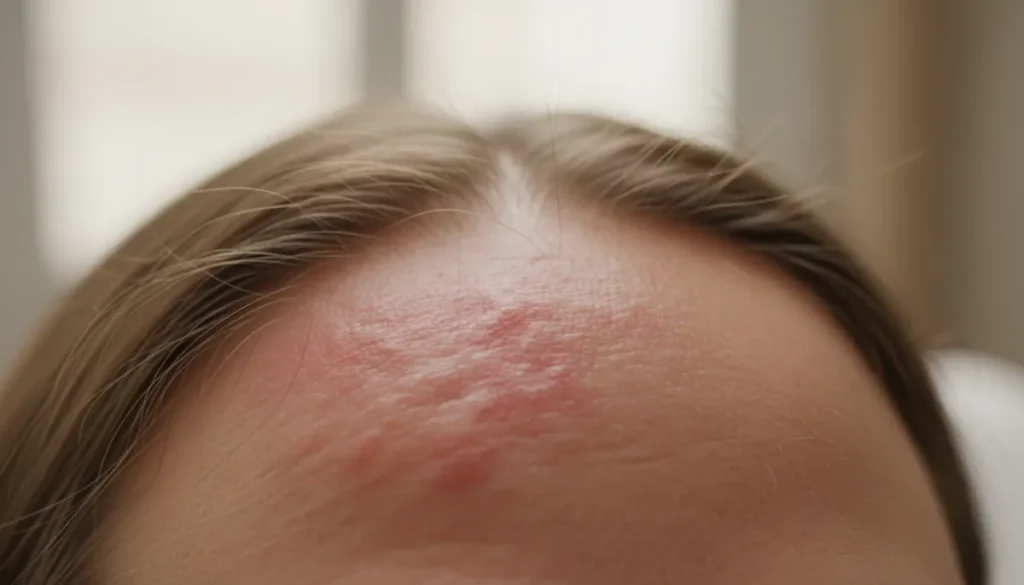
Common Causes of Scalp Inflammation Leading to Hair Loss
Various internal and external factors can spark scalp inflammation, setting the stage for inflammation and hair loss. Understanding these triggers helps you target the root cause rather than merely treating symptoms.
External Triggers
- Harsh hair care products containing sulfates, parabens, or alcohol.
- Frequent heat styling or chemical treatments that damage the skin barrier.
- Allergic reactions to dyes, fragrances, or preservatives.
Internal Triggers
- Autoimmune disorders such as lupus or thyroid disease.
- Hormonal imbalances, especially excess androgens in women.
- Chronic stress, which elevates cortisol and promotes inflammatory pathways.
Environmental and Lifestyle Factors
| Factor | How It Contributes to Inflammation |
|---|---|
| Pollution | Particulate matter irritates scalp skin, triggering immune response. |
| Poor Diet | Lack of omega‑3 fatty acids and antioxidants fuels oxidative stress. |
| Smoking | Nicotine reduces microcirculation, worsening inflammatory damage. |
Recognizing Signs of Inflammatory Hair Loss
Early detection of scalp inflammation can prevent permanent damage. Look for the following symptoms, which often accompany inflammation and hair loss:
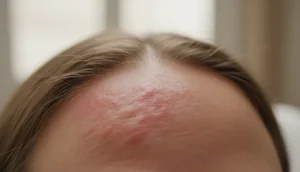
- Redness or a burning sensation on the scalp.
- Flaking or dandruff that is more severe than typical dry scalp.
- Itchy patches that worsen after washing.
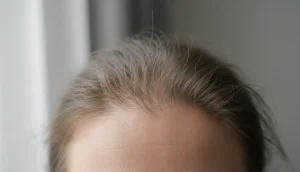
- Visible thinning in specific areas, especially around the crown or hairline.
Diagnostic Tools
Dermatologists may use trichoscopy, a non‑invasive scalp imaging technique, to spot inflammation markers such as perifollicular erythema. Blood tests can also reveal elevated inflammatory markers like C‑reactive protein (CRP) or abnormal hormone levels.
When to Seek Professional Help
If you notice persistent redness, pain, or rapid thinning, schedule a consultation within a few weeks. Prompt treatment can halt the inflammatory cascade and improve the chances of successful hair regrowth, whether through medication, procedural interventions, or lifestyle changes.
Treatment Options: Reducing Inflammation to Promote Regrowth
Addressing the inflammatory component is central to reversing inflammation and hair loss. A combination of medical, procedural, and natural approaches yields the best outcomes.
Medical Therapies
- Corticosteroid injections – Directly suppress localized inflammation.
- Topical anti‑inflammatories such as ketoconazole shampoo to reduce fungal‑related irritation.
- Oral immunomodulators like doxycycline for chronic scalp conditions.
Procedural Interventions
Advanced hair restoration techniques offered by Gold City Hair, including Follicular Unit Extraction (FUE) and Direct Hair Implantation (DHI), can be combined with anti‑inflammatory pre‑treatment to ensure a healthier graft environment.
Natural and Lifestyle Remedies
- Omega‑3 supplements (e.g., fish oil) to lower systemic inflammation.
- Scalp massage with gentle pressure to improve circulation and reduce tension alopecia.
- Anti‑oxidant‑rich foods such as berries, leafy greens, and nuts.
Consistency is key; most patients notice a reduction in redness and a slowdown in hair shedding within 8‑12 weeks of adhering to a comprehensive anti‑inflammatory plan.
Lifestyle Changes to Prevent Inflammatory Hair Loss
Long‑term prevention of inflammation and hair loss hinges on daily habits that support scalp health and reduce systemic inflammation.
Dietary Adjustments
- Increase intake of anti‑inflammatory foods: salmon, chia seeds, turmeric.
- Limit processed sugars and trans fats, which can spike inflammatory markers.
- Stay hydrated to maintain optimal skin barrier function.
Stress Management
Chronic stress elevates cortisol, a hormone that can trigger follicular inflammation. Practices such as mindfulness meditation, regular exercise, and adequate sleep (7‑9 hours) are proven to lower cortisol levels.
Scalp Care Routine
- Choose sulfate‑free, pH‑balanced shampoos.
- Avoid excessive heat styling; use cool settings when possible.
- Incorporate gentle exfoliation once a week to remove dead skin cells.
By integrating these habits, you create an environment where hair follicles can thrive, reducing the likelihood that inflammation will reignite hair loss cycles.
Why Choose Gold City Hair
Gold City Hair combines cutting‑edge hair restoration techniques with a deep understanding of scalp health. Since 2017, our clinic in Turkey has delivered personalized FUE and DHI transplants, ensuring each patient receives a treatment plan tailored to their unique inflammatory profile. Our team of experienced surgeons and dermatologists prioritizes transparent communication, thorough diagnostics, and post‑procedure support, helping you achieve lasting confidence through healthy, natural‑looking hair.
Ready to restore your hair and calm scalp inflammation? Contact Gold City Hair today for a personalized consultation and discover the path to healthier, fuller hair.
FAQ
What is the link between inflammation and hair loss?
Inflammation can damage hair follicles, shortening the growth phase and leading to thinning or permanent loss.
How can I tell if my hair loss is caused by scalp inflammation?
Look for redness, burning, flaking, itching, and localized thinning that accompany hair shedding.
Which medical treatments reduce inflammatory hair loss?
Corticosteroid injections, topical anti‑inflammatories like ketoconazole shampoo, and oral immunomodulators such as doxycycline are commonly used.
Can lifestyle changes help prevent inflammation‑related hair loss?
Yes, diet, stress management, and gentle scalp care can lower systemic and local inflammation.
What role do diet and supplements play in managing inflammatory hair loss?
Nutrients like omega‑3 fatty acids, zinc, and antioxidants support follicle health and reduce oxidative stress.
How does Gold City Hair address inflammation during hair transplant procedures?
The clinic uses pre‑treatment anti‑inflammatory protocols and selects grafts from healthy, non‑inflamed scalp areas.