Diffuse alopecia is a form of hair loss that affects the entire scalp rather than creating distinct bald patches. It often manifests as a gradual thinning that can be mistaken for normal aging or stress‑related shedding. Recognizing the early signs is essential because timely intervention can improve outcomes and preserve self‑confidence.
According to dermatological studies, up to 15% of patients who seek hair‑restoration consultations report a diffuse pattern of shedding. This statistic highlights the importance of distinguishing diffuse alopecia from other types such as alopecia areata or patterned baldness. In this article, we will explore what diffuse alopecia is, its underlying causes, how specialists diagnose it, and the most effective treatment pathways—including advanced hair transplant techniques offered by Gold City Hair.
Whether you are experiencing subtle thinning or noticeable hair loss across the crown, understanding the mechanisms behind diffuse alopecia empowers you to make informed decisions about care and restoration.
What Is Diffuse Alopecia?
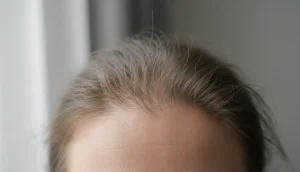
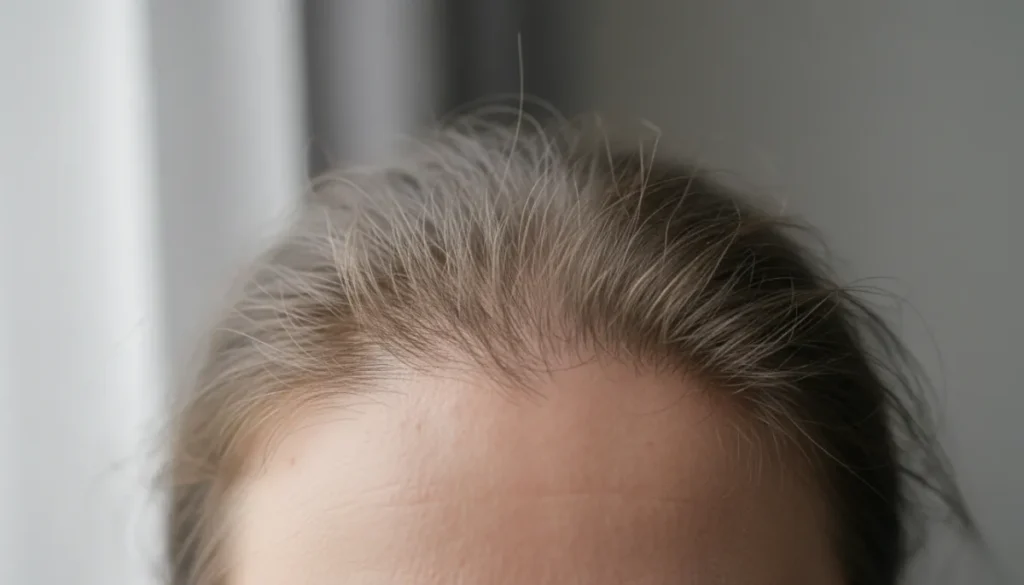
Diffuse alopecia refers to a uniform reduction in hair density across the scalp, without the classic round or oval bald spots seen in alopecia areata. The condition can be temporary or chronic, depending on the underlying trigger. While the term “diffuse” describes the pattern, the root causes vary widely, ranging from hormonal imbalances to systemic illnesses.
Key characteristics include:
- Even thinning of hair on the top, sides, and back of the head.
- Preservation of the hairline in most cases.
- Often accompanied by increased shedding during washing or brushing.
Diffuse alopecia may be classified into several subtypes:
| Subtype | Typical Cause | Typical Duration |
|---|---|---|
| Telogen Effluvium | Stress, illness, medication | Weeks to months |
| Diffuse Androgenetic Alopecia | Genetic and hormonal factors | Progressive, lifelong |
| Diffuse Alopecia Areata | Autoimmune reaction | Variable, may be chronic |
Understanding these subtypes helps clinicians tailor treatment plans that address the specific mechanism behind the thinning.
Common Causes and Risk Factors
Identifying the cause of diffuse alopecia is crucial because treatment success largely depends on addressing the root issue. Below are the most frequently reported contributors.
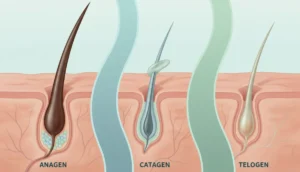
Hormonal changes are a leading factor, especially in women undergoing menopause or men experiencing age‑related testosterone shifts. These hormonal fluctuations can shorten the growth phase of hair follicles, leading to a diffuse pattern of shedding.
Other notable causes include:
- Telogen effluvium: Triggered by severe physical or emotional stress, high fever, major surgery, or rapid weight loss.
- Autoimmune activity: In diffuse alopecia areata, the immune system mistakenly attacks hair follicles, causing widespread thinning.
- Nutritional deficiencies: Lack of iron, zinc, biotin, or protein can impair hair growth.
- Medications: Certain drugs such as anticoagulants, retinoids, and chemotherapy agents are known to cause diffuse shedding.
- Systemic illnesses: Thyroid disorders, anemia, and chronic infections can all manifest as diffuse hair loss.
Environmental and lifestyle factors also play a role. Chronic smoking, excessive alcohol consumption, and poor sleep patterns have been linked to accelerated hair thinning. Understanding personal risk factors enables targeted lifestyle modifications alongside medical treatment.
How Diffuse Alopecia Is Diagnosed
Accurate diagnosis begins with a thorough medical history and physical examination. Dermatologists use a combination of visual assessment, patient questionnaires, and specialized tests to differentiate diffuse alopecia from other hair‑loss conditions.
Key diagnostic steps include:
- Scalp examination: Using a dermatoscope to evaluate follicle health and rule out scarring alopecia.
- Pull test: Gently pulling a small section of hair to assess the number of hairs shed, indicating active shedding phase.
- Blood work: Screening for thyroid function, iron levels, vitamin D, and hormonal panels.
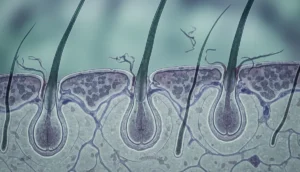
- Biopsy (in ambiguous cases): A small scalp sample examined under a microscope to identify inflammatory patterns or follicular miniaturization.
These investigations help pinpoint whether the diffuse thinning is due to telogen effluvium, androgenetic factors, or an autoimmune process such as alopecia areata. Early and precise diagnosis opens the door to more effective interventions.
Treatment Options and What to Expect
Treatment strategies for diffuse alopecia are tailored to the identified cause and the severity of hair loss. Below is an overview of the most common approaches.
Medical therapies:
- Minoxidil (topical): Widely used to stimulate follicular activity and extend the growth phase.
- Finasteride (oral, for men): Reduces dihydrotestosterone (DHT) levels, slowing androgen‑related thinning.
- Oral corticosteroids (for alopecia areata): Suppress autoimmune attacks on hair follicles.
- Nutritional supplementation: Iron, zinc, biotin, and vitamin D can correct deficiencies that impair hair growth.
Procedural interventions:
- Platelet‑Rich Plasma (PRP) therapy: Concentrated platelets injected into the scalp to promote regeneration.
- Low‑Level Laser Therapy (LLLT): Non‑invasive light treatment that enhances cellular activity in hair follicles.
- Hair transplantation (FUE or DHI): For patients with permanent follicular loss, moving healthy donor hairs to thinning areas can restore density.
When considering a hair transplant for diffuse alopecia, surgeons assess donor‑site density to ensure sufficient grafts. Modern techniques such as Follicular Unit Extraction (FUE) and Direct Hair Implantation (DHI) allow for natural‑looking results with minimal scarring.
Patients should expect an initial phase of shedding after certain treatments (e.g., minoxidil) before new growth becomes visible. Consistency and patience are key; most therapies show noticeable improvement within 3‑6 months.
Managing Hair Health and Lifestyle Tips
Beyond medical and procedural treatments, everyday habits play a significant role in maintaining scalp health and minimizing further hair loss.
Adopt the following evidence‑based practices:
- Gentle hair care: Use sulfate‑free shampoos, avoid tight hairstyles, and limit heat styling.
- Stress reduction: Incorporate mindfulness, yoga, or regular exercise to lower cortisol levels that can trigger telogen effluvium.
- Balanced diet: Prioritize proteins, omega‑3 fatty acids, and antioxidant‑rich foods to support follicle vitality.
- Regular check‑ups: Annual blood panels can catch hormonal or nutritional imbalances early.
- Avoid harmful substances: Limit smoking and excessive alcohol, both of which can impair circulation to the scalp.
Combining these lifestyle adjustments with appropriate medical therapy creates a comprehensive plan that not only halts further thinning but also maximizes the success of any restorative procedure.
Why Choose Gold City Hair
Gold City Hair combines over six years of expertise in hair restoration with a patient‑first philosophy. Our clinic in Turkey offers state‑of‑the‑art FUE and DHI techniques, performed by board‑certified surgeons who tailor each plan to the individual’s pattern of diffuse alopecia. Transparent communication, personalized care, and a commitment to natural‑looking results set us apart as a trusted destination for those seeking lasting confidence.
Ready to take the next step toward fuller, healthier hair? Contact Gold City Hair today for a personalized consultation and discover how our advanced treatments can restore your confidence.
FAQ
What is diffuse alopecia and how does it differ from other types of hair loss?
Diffuse alopecia is a uniform thinning of hair across the entire scalp, unlike patchy loss seen in alopecia areata or patterned baldness.
What are the most common causes of diffuse alopecia?
Common causes include hormonal changes, telogen effluvium, autoimmune activity, nutritional deficiencies, certain medications, and systemic illnesses.
How is diffuse alopecia diagnosed by dermatologists?
Diagnosis involves a medical history, scalp examination with a dermatoscope, pull test, blood work, and sometimes a scalp biopsy.
What treatment options are available for diffuse alopecia?
Treatments include medical therapies like minoxidil and finasteride, nutritional supplements, PRP, low‑level laser therapy, and hair transplantation for permanent loss.
Can lifestyle changes help improve diffuse alopecia?
Yes, gentle hair care, stress reduction, balanced nutrition, regular health check‑ups, and avoiding smoking or excess alcohol can support hair health.