Understanding hair loss phases is the first step toward effective restoration. Whether you notice a few stray hairs or a widening bald spot, the pattern of loss follows a predictable cycle that can be monitored and treated. In this article we break down each stage, explain why it happens, and show which hair loss treatment options work best at every point.
Hair loss affects more than 80 million people worldwide, and many are unaware that their condition may be moving through distinct phases. Recognizing these phases helps you act before permanent thinning sets in, preserving both confidence and natural density.
We’ll explore the science behind the hair growth cycle, the common triggers that shift follicles from growth to rest, and practical steps you can take today. By the end, you’ll know how to pinpoint your current phase and select a solution—whether medical, surgical, or lifestyle‑based—that aligns with your goals.
The Hair Growth Cycle: From Anagen to Telogen
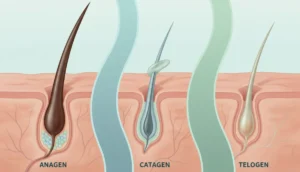
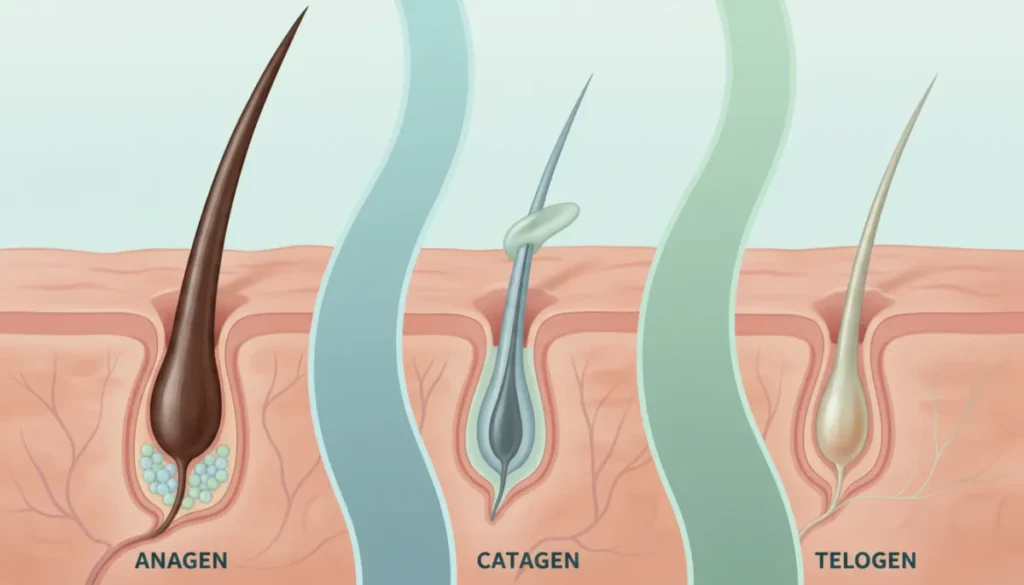
The scalp operates on a continuous loop called the hair growth cycle. This cycle consists of three primary phases: anagen (growth), catagen (transition), and telogen (rest). Each follicle moves independently, which is why you don’t lose all your hair at once.
During the anagen phase, cells divide rapidly at the hair root, pushing the strand upward. This stage can last 2–7 years, determining the maximum length of your hair. When anagen ends, the follicle enters catagen, a short 2–3 week period where growth stops and the follicle shrinks. Finally, the telogen phase lasts about 3 months; the hair is shed and a new anagen cycle begins.
Disruptions in this rhythm create noticeable loss. For example, telogen effluvium is a common condition where a larger-than‑normal number of hairs enter the telogen phase simultaneously, often after stress, illness, or medication changes. This results in diffuse thinning rather than patterned baldness.
| Phase | Duration | Key Characteristics |
|---|---|---|
| Anagen (Growth) | 2–7 years | Active hair shaft elongation; strongest phase |
| Catagen (Transition) | 2–3 weeks | Follicle shrinks; growth stops |
| Telogen (Rest) | ≈3 months | Hair is shed; new anagen begins |
Understanding where your follicles sit in this cycle is essential for selecting the right hair loss treatment. If you’re experiencing a sudden increase in shedding, you may be in a prolonged telogen phase, signaling a need for medical evaluation before considering surgical options.
Common Causes Behind Each Hair Loss Phase
Various internal and external factors can push follicles into the resting stage or shorten the growth period. Recognizing these triggers helps you address the root cause rather than just the symptoms.
- Androgenetic alopecia (male or female pattern baldness) – Hormonal sensitivity shortens the anagen phase, leading to gradual thinning at the crown and temples.
- Stress‑induced telogen effluvium – Physical or emotional stress forces many hairs into telogen, causing diffuse shedding.
- Nutrient deficiencies – Lack of iron, zinc, or biotin can impair follicle health and prolong the rest phase.
- Medical conditions – Thyroid disorders, anemia, and autoimmune diseases such as alopecia areata disrupt normal cycling.
- Medications – Certain antidepressants, anticoagulants, and chemotherapy agents are known to trigger hair loss.
Hormonal fluctuations, especially during pregnancy, menopause, or after discontinuing hormonal birth control, often shift hairs into telogen. Similarly, rapid weight loss or restrictive diets can deprive follicles of essential nutrients, prompting a temporary shedding phase.
Identifying the specific cause is critical because it determines the most effective hair loss treatment. For example, addressing a thyroid imbalance may restore normal cycling without the need for surgical intervention, while genetic pattern baldness may benefit from a combination of medication and hair transplant techniques.
How to Recognize Which Phase You Are In
Self‑assessment can provide clues about the current stage of hair loss. Look for patterns, timing, and accompanying symptoms.
- Sudden, uniform shedding – Typically indicates a telogen phase shift, especially if it follows a stressful event.
- Gradual thinning at specific sites – Suggests androgenetic alopecia, where the anagen phase shortens over years.
- Patchy bald spots – May point to alopecia areata, an autoimmune attack that forces follicles into a rapid rest state.
- Hair that feels brittle or breaks easily – Often a sign of nutritional deficiency affecting the growth phase.
Dermatologists use a pull test, scalp examination, and sometimes a trichogram to count the percentage of hairs in each phase. A normal scalp shows roughly 85‑90 % in anagen, 1‑2 % in catagen, and 10‑15 % in telogen. Deviations from these ratios help pinpoint the problem.
If you notice more than 100 hairs on a pillow or in the shower each day, it’s likely you’re experiencing an active telogen phase. Conversely, a slow receding hairline over months suggests a chronic shortening of the anagen period.
Early detection enables timely intervention. For instance, starting a hair loss treatment like minoxidil during the early telogen shift can shorten the rest period and promote earlier entry into anagen, preserving density.
Treatment Options Tailored to Specific Phases
Not all hair loss treatments work equally across every phase. Matching therapy to the underlying stage maximizes results and minimizes unnecessary procedures.
During an active telogen phase, the goal is to stimulate follicles back into anagen. Topical minoxidil, oral finasteride (for men), and low‑level laser therapy are proven to accelerate this transition. Nutritional supplements containing biotin, iron, and zinc support follicle metabolism.
For androgenetic alopecia, a combination of medication and surgical restoration often yields the best outcome. Finasteride reduces dihydrotestosterone (DHT) levels, prolonging the growth phase. When medication alone is insufficient, FUE (Follicular Unit Extraction) or DHI (Direct Hair Implantation) transplants relocate healthy follicles from a donor area to thinning zones, effectively bypassing the genetically vulnerable scalp.
In cases of telogen effluvium triggered by stress or illness, addressing the root cause—stress management, treating thyroid issues, or adjusting medications—allows the natural cycle to rebalance. Hair typically regrows within 6‑12 months once the trigger is removed.
For autoimmune alopecia areata, corticosteroid injections or topical immunotherapy can halt the abrupt shift to telogen and promote regrowth. Emerging treatments such as JAK inhibitors are showing promise in clinical trials.
Below is a quick reference table aligning common phases with recommended interventions.
| Phase / Condition | Primary Goal | Effective Treatments |
|---|---|---|
| Telogen Effluvium | Restore anagen entry | Minoxidil, stress reduction, nutrient supplements |
| Androgenetic Alopecia | Prolong anagen, replace lost follicles | Finasteride, minoxidil, FUE/DHI transplant |
| Alopecia Areata | Suppress autoimmune attack | Corticosteroid injections, topical immunotherapy, JAK inhibitors |
| Nutrient‑Deficiency Thinning | Replenish essential minerals | Iron, zinc, biotin supplements; diet optimization |
Choosing the right approach early can prevent permanent follicular damage and keep the hair loss cycle in a healthier balance.
Preventive Care and Lifestyle Adjustments
While medical and surgical options address existing loss, preventive measures help maintain a robust anagen phase and reduce the frequency of disruptive telogen spikes.
- Balanced nutrition – Include protein, omega‑3 fatty acids, and antioxidants to support follicle health.
- Stress management – Practices such as meditation, regular exercise, and adequate sleep lower cortisol, which can otherwise push hairs into telogen.
- Avoid harsh styling – Limit heat, tight hairstyles, and chemical treatments that can cause traction alopecia and premature shedding.
- Gentle scalp care – Use mild shampoos, avoid excessive brushing, and consider scalp massages to improve blood flow.
- Regular medical check‑ups – Screening for thyroid disorders, hormonal imbalances, and anemia catches underlying issues before they manifest as hair loss.
Implementing these habits not only supports the current hair cycle but also creates a favorable environment for any future hair loss treatment you may pursue. Consistency is key; small daily actions compound into long‑term resilience.
Why Choose Gold City Hair
Gold City Hair combines cutting‑edge techniques with personalized care to address every stage of hair loss. Since 2017, our clinic in Turkey has performed thousands of successful FUE, DHI, and eyebrow/beard transplants, delivering natural‑looking results. Our team prioritizes transparent communication, thorough assessment, and a treatment plan that matches your specific hair loss phase. Trust our expertise to guide you from diagnosis through lasting restoration.
Ready to take control of your hair journey? Contact Gold City Hair today for a personalized consultation and discover the most effective solution for your current hair loss phase.
Regain confidence with a treatment plan built just for you—schedule your appointment now.
FAQ
What are the three phases of the hair growth cycle?
The hair growth cycle consists of anagen (growth), catagen (transition), and telogen (rest).
What causes telogen effluvium and how can it be treated?
Telogen effluvium is triggered by stress, illness, or medication changes and is treated by addressing the underlying cause and supporting the scalp.
How does androgenetic alopecia affect the hair growth cycle?
Androgenetic alopecia shortens the anagen phase, causing gradual thinning especially at the crown and temples.
What diagnostic methods do dermatologists use to determine a hair loss phase?
Dermatologists use a pull test, scalp examination, and trichogram to assess the proportion of hairs in each phase.
What lifestyle changes can help maintain a healthy anagen phase?
Balanced nutrition, stress reduction, gentle scalp care, and regular medical check‑ups support a robust anagen phase.