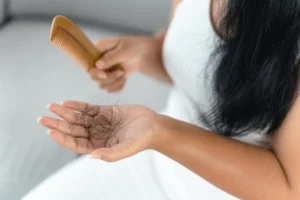
Understanding how to prevent hair fall for female patients begins with recognizing the common triggers that lead to thinning strands and visible loss. Whether the concern stems from genetics, hormonal shifts, or everyday styling habits, early awareness can dramatically improve outcomes.
Hair loss affects up to 40% of women by the age of 50, making it one of the most prevalent aesthetic concerns worldwide. The emotional impact can be as significant as the physical change, often affecting confidence and self‑esteem. This article breaks down the root causes, lifestyle adjustments, proven treatments, and practical home remedies that empower women to take control of their hair health.
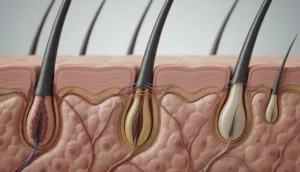
We will explore scientifically backed strategies, from nutrient‑rich diets to clinically validated topical therapies, and highlight when professional intervention—such as a hair transplant—becomes the most effective solution. By the end, you’ll have a clear roadmap to reduce shedding, strengthen follicles, and promote sustainable growth.
Common Causes of Female Hair Loss
Women experience hair loss for a variety of reasons, many of which differ from male pattern baldness. Recognizing the underlying factor is essential for selecting the right preventive approach.
- Hormonal fluctuations – Pregnancy, menopause, and thyroid disorders can disrupt the hair growth cycle.
- Genetic predisposition – Known as female pattern alopecia, it typically results in diffuse thinning over the crown.
- Nutrient deficiencies – Low iron, zinc, or vitamin D levels weaken hair shafts.
- Stress and trauma – Physical or emotional stress can trigger telogen effluvium, a temporary shedding phase.
- Medical conditions – Autoimmune diseases such as alopecia areata cause patchy hair loss.
- Medications – Certain contraceptives, anticoagulants, and antidepressants list hair loss as a side effect.
Identifying which of these contributors applies to you helps tailor a prevention plan that addresses the root cause rather than merely treating the symptom.

Nutritional and Lifestyle Strategies
What you eat and how you live directly influence the health of your follicles. A balanced diet rich in specific vitamins and minerals can fortify the hair shaft and support the growth phase.
Key Nutrients for Strong Hair
| Nutrient | Primary Food Sources | Role in Hair Health |
|---|---|---|
| Iron | Lean red meat, lentils, spinach | Facilitates oxygen delivery to hair follicles |
| Biotin (Vitamin B7) | Egg yolks, nuts, whole grains | Supports keratin production |
| Vitamin D | Fatty fish, fortified dairy, sunlight exposure | Regulates hair growth cycles |
| Zinc | Oysters, pumpkin seeds, chickpeas | Helps repair hair tissue and keep oil glands functioning |
| Omega‑3 Fatty Acids | Salmon, flaxseeds, walnuts | Improves scalp circulation and reduces inflammation |
In addition to diet, lifestyle habits such as regular exercise, adequate sleep, and stress‑management techniques (yoga, meditation, or breathing exercises) create an environment where hair can thrive.
For women seeking natural prevention, incorporating a daily multivitamin that includes these nutrients can be a practical safety net, especially during periods of increased demand like pregnancy or postpartum recovery.
Effective Topical and Medical Treatments
When lifestyle changes alone are insufficient, targeted treatments can directly stimulate follicular activity. Several options have been validated by clinical research and are commonly prescribed for women experiencing significant shedding.
Topical Solutions
- Minoxidil 2% or 5% – The only FDA‑approved topical for female pattern hair loss; encourages blood flow to the scalp and prolongs the growth phase.
- Ketoconazole shampoo – Reduces scalp inflammation and may block the conversion of testosterone to DHT.
- Peptide‑rich serums – Contain copper peptides and growth factors that nourish follicles.
Medical Options
| Treatment | Mechanism | Typical Duration |
|---|---|---|
| Oral Finasteride (low dose) | Inhibits DHT production | 3–6 months to notice improvement |
| Spironolactone | Anti‑androgenic, reduces hormonal hair loss | 6–12 months for visible results |
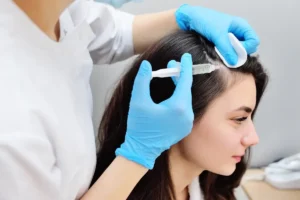
| Platelet‑Rich Plasma (PRP) | Injects growth factors to stimulate follicles | Series of 3‑4 sessions over 6 months |
| Low‑Level Laser Therapy (LLLT) | Photobiomodulation improves cellular metabolism | Daily use for 12–24 weeks |
Choosing the right regimen often depends on the specific diagnosis—whether it is androgenetic alopecia, telogen effluvium, or an autoimmune condition. Consulting a qualified specialist ensures you receive a personalized plan that maximizes efficacy while minimizing side effects.
Gentle Hair Care Practices and Home Remedies
Daily grooming habits can either protect or damage fragile strands. Simple adjustments reduce mechanical stress and create a healthier scalp environment.
Best Practices
- Avoid tight hairstyles—braids, ponytails, or buns that pull on the root can cause traction alopecia.
- Use a wide‑tooth comb on wet hair and limit heat styling to no more than twice a week.
- Select sulfate‑free, pH‑balanced shampoos that contain mild surfactants.
- Rinse with cool water to close cuticles and lock in moisture.
- Apply a light, silicone‑free conditioner focusing on mid‑lengths and ends.
Effective Home Remedies
- Rosemary oil massage – Dilute with a carrier oil and massage into the scalp for 5 minutes daily; studies suggest it can improve circulation.
- Aloe vera gel – Apply fresh gel as a soothing mask; its enzymes help reduce inflammation.
- Onion juice – Rich in sulfur, it may boost collagen production when applied for 30 minutes twice a week.
While these remedies are not a substitute for medical therapy, they complement clinical treatments and can be incorporated into a holistic hair‑preservation routine.
When to Seek Professional Help
If you notice sudden, patchy loss, persistent shedding beyond normal shedding cycles, or if lifestyle changes and over‑the‑counter products have not halted the decline, it’s time to consult a specialist.
- Rapid hair loss exceeding 100 strands per day.
- Visible bald patches or scalp exposure.
- Associated symptoms such as itching, redness, or pain.
- History of thyroid disorders, anemia, or autoimmune disease.
- Desire for long‑term, permanent solutions such as hair transplantation.
At Gold City Hair, our experienced team conducts comprehensive assessments—including scalp analysis, blood work, and diagnostic imaging—to pinpoint the exact cause and recommend the most effective treatment plan.
Why Choose Gold City Hair
Gold City Hair has been a trusted hair restoration center in Turkey since 2017, offering state‑of‑the‑art techniques such as FUE, DHI, and eyebrow or beard transplants. Our personalized approach ensures transparent communication, detailed treatment planning, and a comfortable experience from consultation through post‑procedure care. With a focus on natural‑looking results and patient confidence, we combine clinical expertise with modern technology to deliver lasting solutions for women seeking to prevent further hair loss or restore fullness.
Ready to take the first step toward healthier, fuller hair? Contact Gold City Hair today to schedule a personalized assessment and discover the best preventive strategy for your unique needs.
FAQ
What are the common causes of hair loss in women?
Hair loss in women can be triggered by hormonal changes, genetics, nutrient deficiencies, stress, medical conditions, and certain medications.
Which nutrients are most important for preventing hair fall?
Key nutrients include iron, biotin (vitamin B7), vitamin D, zinc, and omega‑3 fatty acids.
Are topical treatments like minoxidil effective for women?
Yes, minoxidil 2% or 5% is the only FDA‑approved topical solution for female pattern hair loss and can stimulate follicular activity.
When should a woman consider professional medical treatments for hair loss?
Professional help is advised when shedding exceeds normal levels, patches appear, or over‑the‑counter methods fail to halt the loss.
What gentle hair care practices can help prevent further hair loss?
Avoid tight hairstyles, use a wide‑tooth comb, limit heat styling, choose sulfate‑free shampoos, and rinse with cool water.
Why choose Gold City Hair for hair loss prevention and treatment?
Gold City Hair offers experienced specialists, comprehensive diagnostics, and state‑of‑the‑art techniques like FUE, DHI, and PRP.