Hair growth post chemotherapy is a common concern for many patients navigating cancer treatment. While the journey can feel uncertain, understanding the natural healing process and the factors that influence it can empower you to manage expectations and support healthy regrowth. Approximately 65% of patients experience noticeable hair loss during chemotherapy, yet most see new growth within months after treatment ends.
This article explains the typical timeline for hair regrowth, the biological reasons behind hair loss, and practical steps you can take to nurture new hair. We also address common myths, such as whether radiation causes hair loss, and explore natural ways to protect your scalp during treatment.
By the end of this guide, you’ll have a clear picture of what to expect, how to care for your scalp, and when to consider professional hair restoration options if needed.
Understanding the Hair Growth Cycle After Chemotherapy
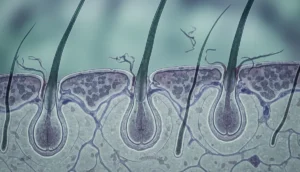
Chemotherapy targets rapidly dividing cells, which unfortunately includes the matrix cells responsible for hair production. This interruption forces hair follicles into a resting phase called telogen, leading to the characteristic shedding known as chemo hair loss. Once the drugs clear from the body, follicles gradually re-enter the anagen (growth) phase.
Key points to remember:
- Hair follicles typically resume activity within 2–4 weeks after the last chemotherapy session.
- Initial regrowth may appear as fine, soft strands often described as “baby hair.”
- Full thickness and natural texture can take 6–12 months, depending on individual factors.
Factors influencing the speed and quality of regrowth include age, type of chemotherapy agents, overall health, and whether radiation therapy was also administered. For example, patients who also received radiation to the scalp may experience a longer delay, as radiation can damage the skin’s blood supply.
Below is a quick reference table summarizing typical timelines:
| Phase | Time After Treatment | What to Expect |
|---|---|---|
| Telogen shedding | 0–2 weeks | Continued hair loss as follicles rest |
| Early regrowth | 2–6 weeks | Fine, downy hair appears |
| Intermediate growth | 2–6 months | Hair thickens, color may change |
| Full maturation | 6–12 months | Hair returns to pre‑treatment density |
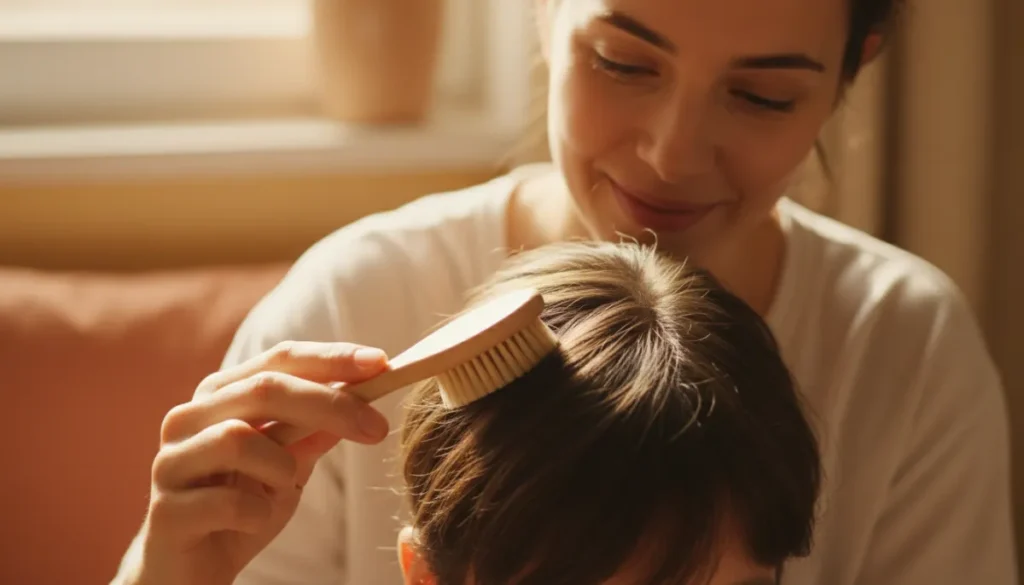
Supporting Scalp Health During and After Treatment
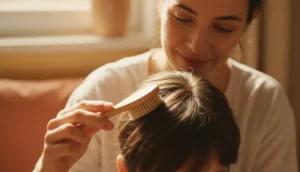
Maintaining a healthy scalp environment can improve the quality of hair regrowth and reduce discomfort. Gentle care routines are essential, especially when the skin may be sensitive from chemotherapy or radiation.
Recommended scalp care practices:
- Use a mild, sulfate‑free shampoo and lukewarm water to avoid irritation.
- Pat the scalp dry instead of rubbing vigorously.
- Apply a fragrance‑free, hypoallergenic moisturizer to keep the skin hydrated.
- Protect the scalp from direct sunlight with a loose‑weave hat or sunscreen formulated for the scalp.
Some patients wonder whether “chemo curls” or styling can damage new hair. While gentle styling is fine, avoid heat tools and tight hairstyles that pull on fragile strands. Additionally, certain natural supplements, such as biotin and vitamin D, may support follicle health, but always consult your oncologist before adding any supplement.
Below is a concise checklist for daily scalp care:
- Wash with gentle shampoo 2–3 times weekly.
- Massage scalp lightly for 2–3 minutes to stimulate blood flow.
- Avoid harsh chemicals, including hair dyes, for at least six months.
- Stay hydrated and maintain a balanced diet rich in protein, iron, and zinc.
When to Expect Hair Growth and How Long It Takes
One of the most frequently asked questions is “how long does it take for hair to grow back” after chemotherapy. While individual experiences vary, the general pattern follows the timeline outlined earlier. Most patients notice the first signs of regrowth within the first month, but full density may take up to a year.
Factors that can accelerate or delay this process include:
- Type of chemotherapy drug: Agents like taxanes and anthracyclines often cause more prolonged hair loss.
- Concurrent radiation therapy: Can extend the telogen phase.
- Overall nutrition and health status: Malnutrition can slow follicle recovery.
- Age: Younger patients typically experience faster regrowth.
Patients often report that the new hair may initially appear a different texture or color. This is normal and usually resolves as the hair continues to grow. If you notice no regrowth after six months, or if the scalp shows signs of scarring, it may be worth consulting a dermatologist or a hair restoration specialist.
Natural Ways to Promote Hair Regrowth After Chemotherapy
Beyond basic scalp care, several natural approaches may support the healing process. While scientific evidence varies, many patients find these methods helpful when used alongside medical guidance.
Effective natural strategies include:
- Scalp massage with essential oils: Diluted rosemary or lavender oil can improve circulation.
- Regular gentle exercise to boost overall blood flow.
- Balanced diet rich in omega‑3 fatty acids (e.g., salmon, flaxseed).
- Stress‑reduction techniques such as meditation or yoga, which can positively affect hormonal balance.
It’s important to avoid harsh home remedies that claim rapid hair growth, as they may contain irritants. Always discuss any new regimen with your healthcare team, especially if you are taking medications that could interact with supplements.
Below is a quick reference of supportive nutrients and their roles:
| Nutrient | Source | Benefit for Hair |
|---|---|---|
| Biotin (Vitamin B7) | Eggs, nuts, whole grains | Supports keratin production |
| Vitamin D | Sunlight, fortified dairy | Regulates hair follicle cycling |
| Iron | Red meat, lentils | Prevents anemia‑related shedding |
| Zinc | Pumpkin seeds, shellfish | Promotes cell renewal |
Why Choose Gold City Hair for Post‑Chemotherapy Hair Restoration
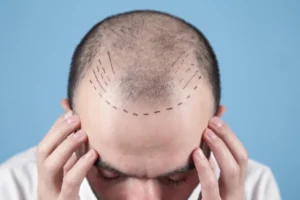
At Gold City Hair, we understand the emotional and physical journey of recovering from cancer treatment. Since 2017, our clinic in Turkey has combined advanced hair restoration techniques—such as FUE and DHI—with compassionate, personalized care. Our experienced team works closely with patients to assess scalp health, discuss realistic outcomes, and create a tailored plan that aligns with each individual’s needs.
Choosing us means accessing:
- State‑of‑the‑art facilities with a focus on safety and comfort.
- Transparent communication throughout every step of the process.
- Evidence‑based recommendations for supporting natural regrowth and, when appropriate, surgical restoration.
We are dedicated to helping you regain confidence and achieve the healthiest possible hair after chemotherapy.
Ready to take the next step toward healthier hair? Contact Gold City Hair today to schedule a personalized consultation and learn how our expert team can support your regrowth journey.
FAQ
How long does it take for hair to grow back after chemotherapy?
Most patients see the first signs of regrowth within the first month, but full density can take 6–12 months.
What factors influence the speed and quality of hair regrowth after chemotherapy?
Age, chemotherapy drug type, radiation exposure, nutrition, and overall health all affect regrowth speed and quality.
Can scalp massage with essential oils help hair regrowth after chemotherapy?
Gentle scalp massage may improve circulation, and diluted essential oils like rosemary can support follicle health.
Are there natural supplements that support hair regrowth after chemotherapy?
Biotin, vitamin D, iron, and zinc are commonly recommended, but they should be taken under medical supervision.
When should I consider professional hair restoration after chemotherapy?
If no significant regrowth is observed after 6–12 months or if scarring is present, consult a hair restoration specialist.
Does radiation therapy affect the hair regrowth timeline?
Yes, radiation can extend the telogen phase and delay visible regrowth.
What hair care practices are recommended during post‑chemotherapy recovery?
Use mild, sulfate‑free shampoo, avoid heat styling, protect the scalp from sun, and keep the scalp moisturized.