Many people wonder do hair plugs grow after a transplant, and the answer lies in the biology of follicular units and the technique used during the procedure. Understanding the growth potential of hair plugs helps you set realistic expectations and choose the right clinic for lasting results.
Hair loss affects millions worldwide, and the desire for a natural‑looking solution drives many to explore hair restoration options. While newer methods like FUE and DHI dominate the market, the classic hair plug technique still raises questions about graft survival and long‑term density.
In this article we will explore how hair plugs work, the factors that influence their growth, typical timelines, common misconceptions, and how the method compares with modern extraction techniques. Armed with this knowledge, you can make an informed decision about whether hair plugs are right for you.
How Hair Plugs Work: The Basics of Follicular Unit Extraction
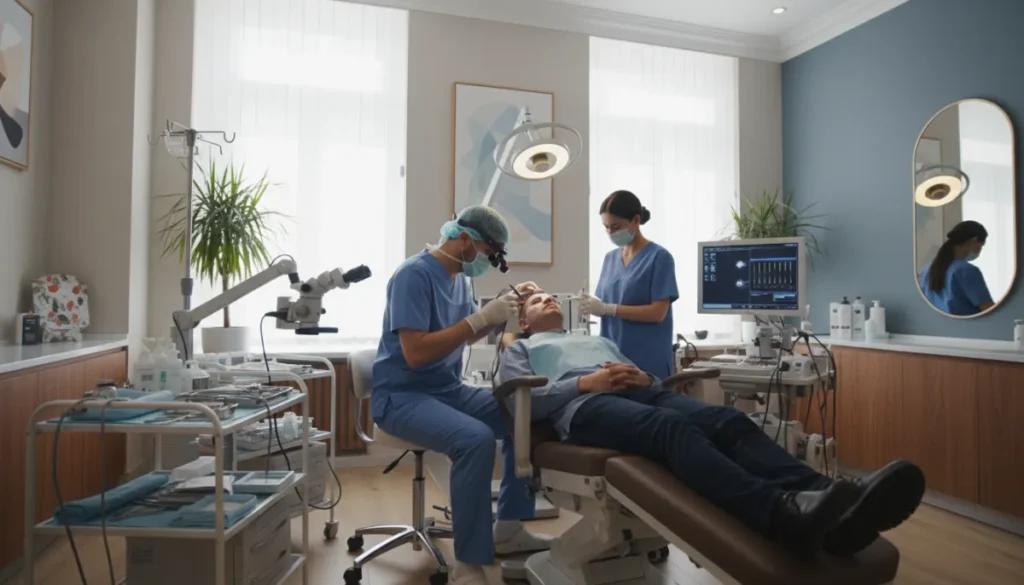
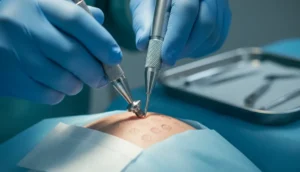
The traditional hair plug method involves harvesting small grafts—often containing 2‑4 hairs—using a punch tool that removes a circular piece of scalp. These grafts are then implanted into tiny incisions made in the balding area. Because the plugs are relatively large compared to individual follicular units, the resulting appearance can be less natural if not placed meticulously.
When considering do hair plugs grow, it is essential to recognize that each plug contains viable hair follicles that retain their own blood supply after transplantation. Proper handling, minimal trauma, and accurate placement are critical for graft survival.
Key steps in the plug process:
- Donor harvesting – usually from the back of the scalp where hair is most resistant to loss.
- Graft preparation – careful trimming and sorting of follicular units.
- Recipient site creation – precise micro‑incisions aligned with natural hair direction.
- Implantation – gentle insertion of plugs to ensure optimal contact with the wound bed.
Factors That Influence the Growth of Hair Plugs
Several variables determine whether hair plugs will successfully grow and produce a natural look. Understanding these factors can help you assess the likelihood of a successful outcome.
Surgeon expertise is perhaps the most decisive element. A skilled surgeon who respects graft handling protocols reduces the risk of follicle damage. Additionally, the density of the donor area, the quality of the harvested follicles, and the patient’s own biology play crucial roles.
Other important considerations include:
| Factor | Impact on Growth |
|---|---|
| Graft size | Larger plugs may have reduced vascularization, slowing growth. |
| Patient age | Younger patients often experience faster healing and better graft uptake. |
| Post‑operative care | Adhering to medication and scalp hygiene protocols boosts survival rates. |
| Smoking & alcohol | Both can impair blood flow, decreasing graft viability. |
Answering the question do hair plugs grow therefore depends on a combination of technique, after‑care, and individual health factors.
Timeline: What to Expect After Your Hair Plug Procedure
Patience is key when evaluating the answer to do hair plugs grow. The healing and growth process follows a predictable timeline, though individual experiences may vary.
First week (Days 1‑7): The scalp may appear red and mildly swollen. Small scabs form around each plug site, protecting the grafts as they establish initial blood supply.
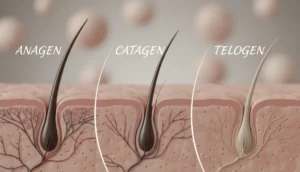
Weeks 2‑4: Most scabs fall off naturally. At this stage, the transplanted hairs often enter a shedding phase known as “shock loss,” which is normal and indicates that the follicles are resetting.
Months 2‑4: New hair shafts begin to emerge from the plugs. Early growth may look fine and thin, but it gradually thickens.
Months 5‑12: The majority of visible growth occurs. By the end of the first year, the final density and texture become apparent, allowing you to assess the true result.
Understanding this timeline helps set realistic expectations and reduces anxiety during the recovery period.
Common Misconceptions About Hair Plug Growth
Misunderstandings about hair plugs can lead to unrealistic expectations and disappointment. Let’s clarify some of the most prevalent myths.
Myth 1: Hair plugs grow instantly. In reality, the growth cycle mirrors that of natural hair, requiring several months for visible results.
Myth 2: All plugs survive. Graft loss can occur due to poor handling, inadequate blood supply, or post‑operative neglect. Survival rates typically range from 70‑90% when performed by experienced professionals.
Myth 3: Plugs always look unnatural. With meticulous placement and proper angle alignment, modern plug techniques can achieve a natural appearance, especially when combined with finer FUE grafts for density.
By dispelling these myths, you can better understand the realistic outcomes and answer the lingering question do hair plugs grow with confidence.
Comparing Hair Plugs with Modern FUE and DHI Techniques
While hair plugs remain a viable option for some patients, newer methods such as Follicular Unit Extraction (FUE) and Direct Hair Implantation (DHI) offer distinct advantages.
FUE extracts individual follicular units—often a single hair per graft—resulting in a more natural hair line and less visible scarring. DHI further refines placement by using a patented implanter pen, allowing for precise depth control.
Key comparison points:
- Graft size: Plugs (2‑4 hairs) vs. FUE/DHI (1‑2 hairs) – smaller grafts blend better.
- Scarring: Plugs leave tiny circular scars; FUE/DHI produce dot‑like scars that are often invisible.
- Recovery time: Similar for all, but FUE/DHI may cause less postoperative discomfort.
- Cost: Hair plugs can be less expensive per graft, yet total cost may rise if higher density is needed.
When you ask do hair plugs grow, the answer is yes, but the overall aesthetic outcome may be superior with FUE or DHI, especially for patients seeking a seamless hairline.
Why Choose Gold City Hair for Your Hair Restoration
Gold City Hair has been delivering personalized hair restoration solutions since 2017. Our clinic specializes in advanced techniques such as FUE, DHI, and precise eyebrow and beard transplants, ensuring each patient receives a tailored plan.
Our team prioritizes transparent communication, thorough pre‑operative assessment, and meticulous post‑operative care, which together maximize graft survival and natural results. Choosing Gold City Hair means trusting a proven leader in Turkey’s hair transplant industry.
Ready to discover how hair plugs can transform your look? Contact Gold City Hair today for a free consultation and take the first step toward renewed confidence.
Our experts will evaluate your unique needs and recommend the most effective restoration strategy for you.
FAQ
Do hair plugs grow after transplantation?
Yes, hair plugs can grow if the grafts survive and are properly cared for.
What is the typical timeline for hair plug growth?
Visible growth usually starts between 2‑4 months, with most results seen by 12 months.
Which factors most affect the survival of hair plugs?
Surgeon skill, graft handling, patient age, donor density, and post‑operative care are key.
Are hair plugs less natural looking than FUE or DHI?
Plugs can look natural if placed meticulously, but FUE/DHI generally provide finer, more seamless results.
What post‑operative care is recommended for hair plug patients?
Follow medication protocols, keep the scalp clean, avoid smoking, and limit strenuous activity for the first weeks.
Why might someone choose Gold City Hair for a hair plug procedure?
Gold City Hair offers experienced surgeons, transparent communication, and comprehensive after‑care in Turkey.