

Regaining confidence through hair restoration is a journey many embark on due to hair loss concerns. Hair follicles, tiny tube-like structures beneath the skin, play a key role in hair health. They deliver nutrients, determine color, control texture, and regulate growth and loss.
Understanding that damaged hair follicles can be repaired if addressed promptly is key. Recent research shows the possibility of regeneration. This offers hope for those experiencing hair loss due to damaged follicles.
With advanced therapeutic approaches, restoring hair health is now possible. By focusing on modern techniques and personalized care, individuals can see significant improvements in hair growth and appearance.
Önemli Çıkarımlar
Damaged hair follicles can be repaired with prompt and proper treatment.
Understanding hair follicle function is key to addressing damage.
Advanced therapeutic approaches offer effective solutions for hair restoration.
Personalized care plans are essential for successful hair follicle repair.
Modern techniques in hair restoration provide significant improvements.
Understanding Damaged Hair Follicles

Learning about damaged hair follicles is key to fighting hair loss and growing healthy hair. These damaged follicles can cause thinning hair, baldness, and hurt your self-esteem.
Common Causes of Hair Follicle Damage
Many things can damage hair follicles. Here are some common ones:
Male pattern baldness, caused by genetics and hormones.
Chemical treatments like hair dye, perms, and relaxers harm the hair and follicle.
Infections like folliculitis can hurt the hair follicle.
Lifestyle choices, like using too much heat, tight hairstyles, and bad hair care.
The Science of Hair Follicle Regeneration
The body can regrow hair follicles. Hair follicle stem cells can renew damaged follicles. Knowing this science helps in finding good treatments.
Why Early Intervention Matters
Acting fast is important for hair follicle damage. The sooner you treat it, the better the results. Waiting too long can make things worse and treatments less effective.
Here’s why acting early is so important:
It stops more damage to the hair follicles.
It makes treatments work better.
It helps grow healthier hair.
How to Identify Damaged Hair Follicles
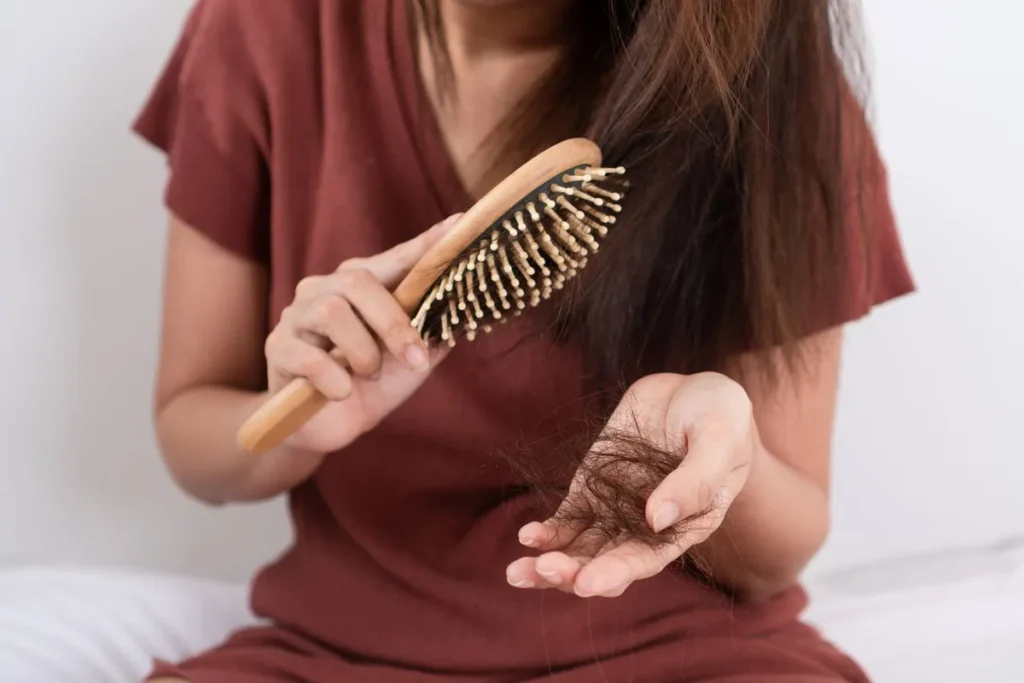
To tackle hair loss or thinning, first check if your hair follicles are damaged. Damaged follicles can cause hair loss, thinning, and texture changes. Spotting damage is the first step to fix your hair’s health and boost your confidence.
Physical Signs and Symptoms
Damaged hair follicles show through physical signs and symptoms. Common signs include:
Excessive hair shedding or loss
Hair breakage or split ends
Thinning hair or visible scalp
Imbalanced scalp conditions, such as dandruff or itchiness
Inflamed bumps or redness on the scalp
These signs mean your hair follicles are stressed and need care. Early detection is key to preventing further damage.
Self-Assessment Techniques
You can check your hair follicles’ health before seeing a pro. Try these self-assessment steps:
Look at your scalp for damage or inflammation
Check for hair breakage or too much shedding
Examine your hair’s health and texture
Being thorough in your self-assessment can help you better understand your hair’s condition.
When to Seek Professional Diagnosis
Self-assessment is good, but a pro diagnosis is often needed. If symptoms persist or are severe, see a dermatologist or trichologist. They can give a detailed analysis and suggest treatments.
Seeking professional help can significantly improve your chances of restoring your hair’s health. With the right diagnosis and treatment, you can fix your hair follicle damage and get healthier, fuller hair.
Effective Treatments for Damaged Hair Follicles
Damaged hair follicles can be treated in many ways. This includes advanced medical therapies and simple home remedies. It’s important to know your options to choose the best treatment.
Medical Treatments and Therapies
Several medical treatments can repair damaged hair follicles. Here are some:
Low-Level Laser Therapy (LLLT): A non-invasive treatment that uses low-level laser or light-emitting diodes to stimulate hair growth.
Platelet-Rich Plasma (PRP) Therapy: Involves injecting platelet-rich plasma (PRP) derived from the patient’s own blood into the scalp to stimulate hair follicles.
Micro-needling: A minimally invasive treatment that uses tiny needles to create micro-injuries, stimulating collagen production and hair growth.
At-Home Remedies and Prevention
There are also home remedies and preventive steps to help hair follicles. These include:
Gentle Hair Care: Using gentle shampoos and conditioners to minimize damage.
Scalp Massage: Massaging the scalp to improve blood circulation and reduce stress.
Nutritional Support: Ensuring a diet rich in vitamins and minerals that support hair health, such as biotin and vitamin D.
Lifestyle Changes to Support Follicle Health
Changing your lifestyle can also help your hair follicles. This includes:
Dietary Adjustments: Eating a balanced diet that includes foods known to support hair health.
Stress Management: Practicing stress-reducing techniques, such as meditation or yoga, to minimize hair loss caused by stress.
Avoiding Harsh Chemicals: Reducing the use of chemical treatments and heat styling tools to prevent damage.
By using these methods together, you can treat and prevent damage to your hair follicles. This leads to healthier and more robust hair growth.
Sonuç
Fixing damaged hair follicles is a journey that needs understanding, patience, and the right steps. Knowing what causes damage and acting early can help restore hair health and vitality.
Effective treatments, whether medical or home remedies, are key in fixing hair follicles. It’s important to understand the options and make smart choices to get the best results.
With the right care, damaged hair follicles can be fixed. Focusing on repair and being proactive can help regain confidence and get a fuller, healthier hair.
Knowing the signs of damage and acting quickly is vital. The right treatment and care can fix damaged hair follicles for lasting results.
By managing hair health and getting expert advice when needed, people can beat damaged hair follicles. This leads to a more vibrant and healthy look.
SSS
What are damaged hair follicles?
Damaged hair follicles are weakened or inflamed hair roots in the scalp that can’t produce healthy, strong hair, leading to thinning or hair loss.
How can I tell if my hair follicles are damaged?
Signs include excessive hair shedding, slow regrowth, thinner strands, patchy hair loss, scalp inflammation, or tenderness.
What causes damage to hair follicles?
Common causes include genetics, hormonal imbalance, stress, poor nutrition, tight hairstyles, heat styling, chemical treatments, and scalp infections.
Can damaged hair follicles be repaired?
Mild damage can improve with proper care and treatment, but severely scarred follicles may not regrow hair permanently.
What are the benefits of Low-Level Laser Therapy (LLLT) for hair follicles?
Low-Level Laser Therapy (LLLT) may stimulate blood flow to the scalp, improve follicle activity, and promote thicker hair growth.
How does Platelet-rich Plasma (PRP) therapy work for damaged hair follicles?
Platelet-rich Plasma (PRP) therapy uses your own blood platelets injected into the scalp to stimulate follicle repair and encourage hair growth.
Are there any at-home remedies to help repair damaged hair follicles?
Gentle scalp massage, essential oils (like rosemary), a balanced diet, reduced heat styling, and mild shampoos can support follicle health.
How can lifestyle changes support hair follicle health?
Managing stress, eating protein-rich foods, staying hydrated, getting enough sleep, and avoiding smoking improve scalp circulation and hair strength.
Is it possible to prevent hair follicle damage?
Yes, by avoiding harsh chemicals, limiting heat styling, maintaining scalp hygiene, eating well, and treating hair gently.
When should I seek professional help for damaged hair follicles?
Consult a dermatologist if hair loss is sudden, severe, patchy, accompanied by pain or itching, or not improving with basic care.
Referanslar
Ulusal Biyoteknoloji Bilgi Merkezi. Kanıta Dayalı Tıbbi Öngörü. Erişim adresi https://pmc.ncbi.nlm.nih.gov/articles/PMC10750333/





