
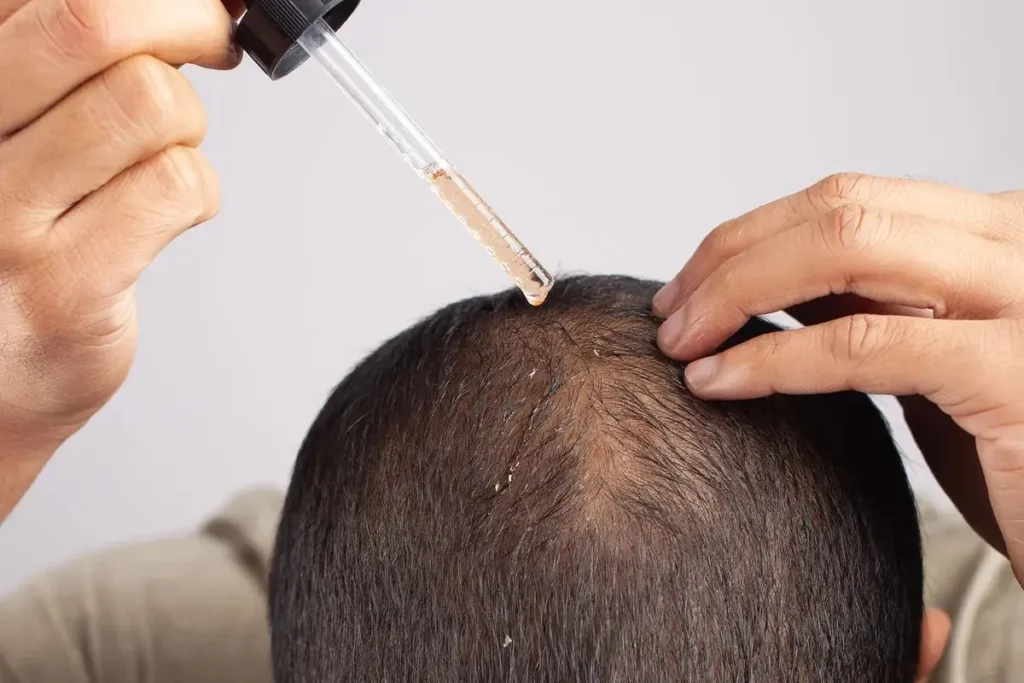
Hair loss is a big problem worldwide, with male pattern baldness being the most common. Many people want to regain their confidence by finding effective hair treatments.
Two common medications, finasteride and dutasteride, block 5-alpha-reductase enzymes. Finasteride is the usual choice for male baldness. Dutasteride is used for an enlarged prostate. But, new studies show dutasteride might be better for growing hair than finasteride.
It’s important to know the differences between these drugs for those looking to treat hair loss. By looking at how well they work, their safety, and how they act, people can choose the best treatment for them.
Önemli Çıkarımlar
Finasteride is the standard treatment for male pattern baldness.
Dutasteride is licensed for treating an enlarged prostate but is used off-label for hair loss.
Recent studies suggest dutasteride may be more effective in restoring hair growth.
Both medications work by inhibiting 5-alpha-reductase enzymes.
Understanding the differences between finasteride and dutasteride is key for effective hair loss treatment.
Understanding Hair Loss and DHT Inhibitors\
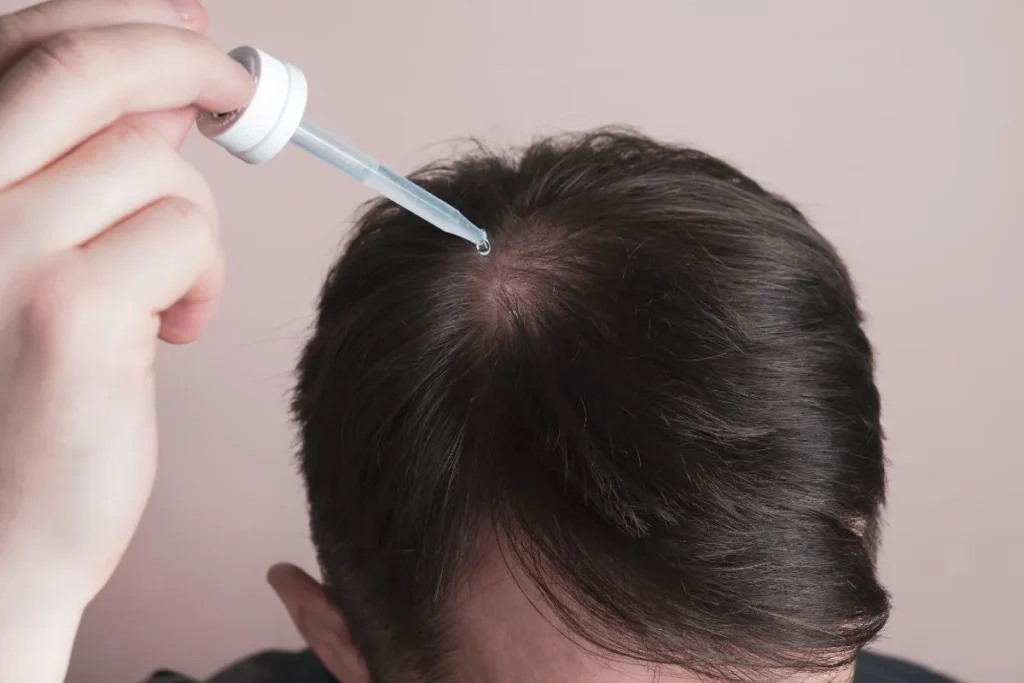
Androgenetic alopecia, or male/female pattern baldness, is a common condition. It happens when hair follicles shrink because of hormones. This affects millions, causing stress and low self-esteem.
Many want to regain confidence by treating hair loss. Knowing about dihydrotestosterone (DHT) is key.
The Role of DHT in Androgenetic Alopecia
DHT is a strong form of testosterone linked to hair loss. It attaches to hair follicles, causing them to shrink and lose hair. The more DHT, the more hair loss risk.
Studies show DHT mainly causes male pattern baldness. Knowing DHT’s role helps understand treatments that aim to lower its effects.
How 5-Alpha-Reductase Inhibitors Work
Finasteride and dutasteride block 5-alpha-reductase enzymes. These enzymes turn testosterone into DHT. By stopping this, DHT levels drop, slowing hair loss.
Finasteride mainly blocks Type II 5-alpha-reductase, cutting DHT by about 70%. Dutasteride, on the other hand, blocks both types, reducing DHT up to 95%. This makes dutasteride a stronger treatment for hair loss.
Knowing how these drugs work helps people choose the right treatment. By lowering DHT, finasteride and dutasteride target hair loss. They offer hope for those losing hair.
Finasteride vs Dutasteride: Mechanism of Action
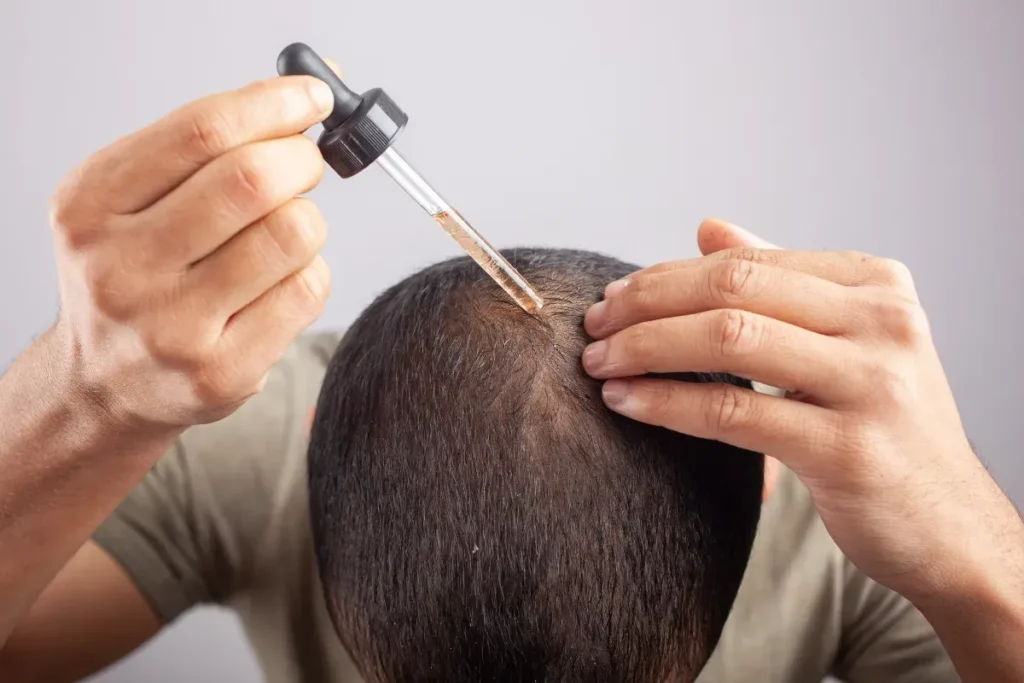
When looking at hair loss treatments, it’s key to know how finasteride and dutasteride work. Both are used to fight hair loss but in different ways.
Type II 5-Alpha-Reductase Inhibition
Finasteride targets Type II 5-alpha-reductase. This enzyme turns testosterone into DHT, a hormone that causes hair loss. By blocking this enzyme, finasteride cuts DHT levels by about 70%. This helps slow down hair loss and encourage hair growth.
Dual Inhibition Approach
Dutasteride works differently. It blocks both Type I and Type II 5-alpha-reductase enzymes. This approach leads to a bigger drop in DHT levels, around 90-95%. Dutasteride’s stronger effect on DHT might make it more effective against hair loss than finasteride.
DHT Reduction: 70% vs 90%
The difference in how much DHT each drug reduces is important. Finasteride cuts DHT by about 70%, while dutasteride does it by 90-95%. This difference is key for those choosing a treatment, as it could affect how well it works.
Knowing these differences helps make a smart choice for hair loss treatment. By picking the right drug based on its action and effectiveness, people can get better results in their hair growth journey.
Clinical Efficacy and Research Evidence
Research is key to knowing if dutasteride works better than finasteride for hair loss. Studies have helped compare these two drugs.
Hair Count and Miniaturization Reversal
Studies show dutasteride increases hair count more than finasteride. It also reverses hair miniaturization better, a big deal in hair loss.
Dutasteride’s dual inhibition approach helps reduce DHT, a hormone that causes hair loss. This makes the scalp healthier for hair to grow.
Systematic Reviews and Meta-Analyses
Many systematic reviews and meta-analyses with over 600 participants show dutasteride’s edge in hair growth. These detailed studies compare dutasteride and finasteride’s effectiveness.
These analyses show dutasteride promotes hair growth better than finasteride. This makes dutasteride a strong choice for hair loss treatment.
Dosage Considerations for Hair Loss Treatment
Finasteride is taken at 1mg daily, while dutasteride is at 0.5mg daily. Knowing the right dosage is key for treating hair loss.
Both drugs work well, but dosage and side effects matter. They help ensure the best results for patients.
Many people want to feel confident again with effective hair loss treatment. By looking at the research, doctors can guide patients to the best treatments.
Conclusion: Weighing Benefits and Side Effects
When looking at dutasteride vs finasteride for hair loss, it’s important to weigh the good against the bad. Both drugs can cause similar side effects, like sexual problems. These include lower sex drive, trouble getting an erection, and less semen.
Dutasteride stays in your body longer than finasteride. This might mean side effects last longer too. Knowing how finasteride and dutasteride work is key. Dutasteride might block more of the bad stuff in your body.
Choose the right treatment for your hair loss to feel confident again. With the right advice, you can get great results without pain. Think about how well it works and how safe it is. This way, you can start a treatment that really helps you.
SSS
What is the main difference between finasteride and dutasteride in treating hair loss?
The primary difference is that finasteride only inhibits the Type II 5-alpha-reductase enzyme, while dutasteride inhibits both Type I and Type II. This dual action allows dutasteride to reduce dihydrotestosterone (DHT) levels in the blood by over 90%, compared to about 70% for finasteride.
Is dutasteride more effective than finasteride for hair loss treatment?
Clinical evidence generally shows that dutasteride is more effective at increasing hair count and thickness because it suppresses DHT more completely. While finasteride is the standard FDA-approved treatment, many doctors prescribe dutasteride off-label for patients who do not see sufficient results.
How do 5-alpha-reductase inhibitors like finasteride and dutasteride work to treat hair loss?
These medications work by blocking the enzyme responsible for converting testosterone into DHT, the hormone that causes hair follicles to shrink. By lowering DHT levels, these inhibitors stop the miniaturization process and allow hair follicles to return to a healthy growth cycle.
What is the role of DHT in androgenetic alopecia?
DHT is the primary hormone responsible for male pattern baldness as it binds to receptors in the scalp and causes hair follicles to miniaturize. Over time, this process results in shorter, thinner hair strands until the follicles eventually stop producing visible hair altogether.
Are there any differences in the side effect profiles of finasteride and dutasteride?
Both drugs have similar potential side effects, including decreased libido and erectile dysfunction, though these occur in a small percentage of users. Because dutasteride stays in the body much longer than finasteride, any side effects may take more time to resolve after the medication is discontinued.
What are the optimal dosages for finasteride and dutasteride in treating hair loss?
The standard approved dosage for finasteride is 1 mg daily, which is effective for the majority of men with androgenetic alopecia. For dutasteride, the most common off-label dosage is 0.5 mg daily, which has been shown in studies to produce superior hair regrowth compared to the standard finasteride dose.
Can dutasteride be used for female hair loss, and how does it compare to finasteride?
Dutasteride is occasionally used off-label for post-menopausal women with thinning hair and can be more effective than finasteride in some cases. However, it is strictly avoided in women of childbearing age due to the severe risk of birth defects, a risk that persists longer because of the drug’s long half-life.
How do systematic reviews and meta-analyses help in understanding the efficacy of finasteride and dutasteride?
These comprehensive studies analyze data from thousands of patients across multiple trials to provide a high-level view of which treatment works best. They consistently show that while both medications are highly effective, dutasteride tends to result in better hair density and higher patient satisfaction scores.
Referanslar
Ulusal Biyoteknoloji Bilgi Merkezi. Kanıta Dayalı Tıbbi Öngörü. Erişim adresi https://pubmed.ncbi.nlm.nih.gov/24471740/





