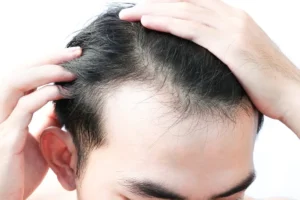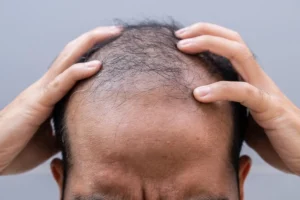
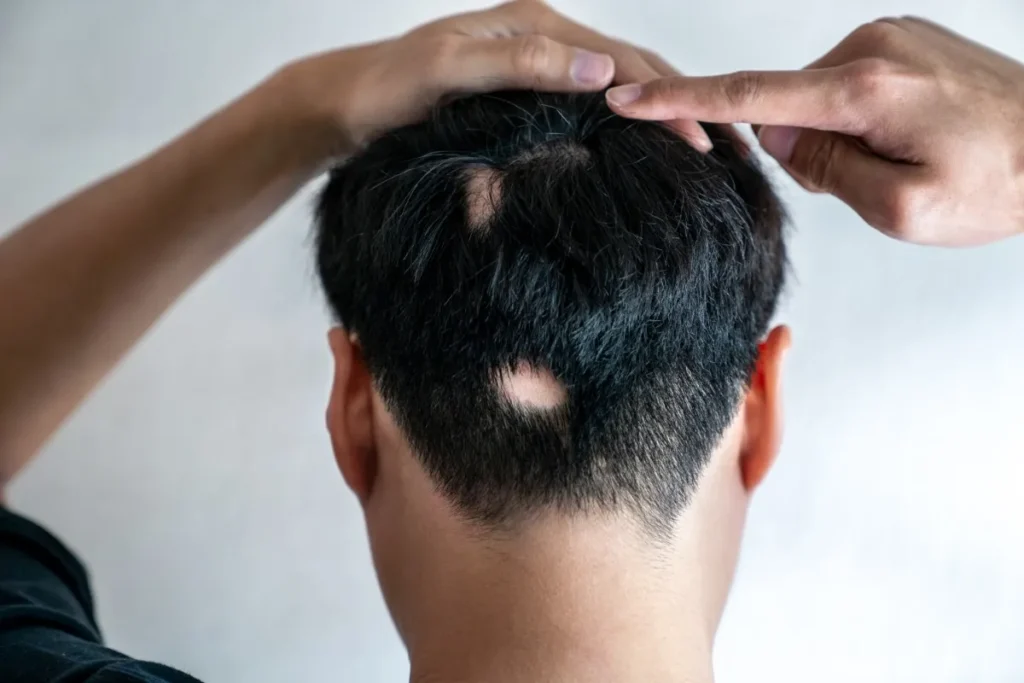
Excessive hair shedding can be very upsetting. It often happens due to metabolic stress, hormonal changes, or some medicines. This condition, called telogen effluvium, affects many people. But, not everyone knows about the treatments available.
Supportive therapy is key in managing telogen effluvium. It aims to fix the root causes and help hair grow back. This includes using nutritional supplements, topical treatments, and making lifestyle changes.
Learning about the ways to treat telogen effluvium can help people take back control of their hair health. It also boosts their confidence.
Önemli Çıkarımlar
Understanding the causes of excessive hair shedding is key to effective treatment.
Nutritional supplements are important for promoting hair growth.
Making lifestyle changes can help manage and prevent more hair loss.
Topical treatments are a direct way to stimulate hair growth.
Supportive therapy is vital for complete care.
Understanding Telogen Effluvium Hair Loss
To understand telogen effluvium, we need to look at its causes, signs, and symptoms. It’s a scalp disorder that leads to hair loss. This can happen due to stress, illness, hormonal changes, or not getting enough nutrients.
What Causes Telogen Effluvium
Many things can start telogen effluvium. Physical or emotional stress can push hair follicles into a resting phase. This leads to a lot of hair falling out. Hormonal changes, some medicines, and health issues can also cause it.
Not getting enough iron, zinc, or biotin can also lead to telogen effluvium. Eating well is key to keeping your hair healthy.
Recognizing the Signs and Symptoms
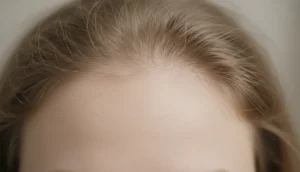
The main sign of telogen effluvium is excessive hair shedding. You might notice it when you wash or comb your hair. The hair loss can cover the whole scalp or just one area.
Other signs include hair texture changes or more hair falling out during or after stressful times. It’s important to know the difference between telogen effluvium and other hair loss conditions to get the right treatment.
Acute vs. Chronic Telogen Effluvium
Telogen effluvium can be either acute or chronic. Acute telogen effluvium lasts less than six months. It’s often caused by a big event like having a baby, surgery, or a serious illness.
Chronic telogen effluvium goes on for more than six months. It can be caused by ongoing stress, not getting enough nutrients, or hormonal issues. Knowing how long it lasts and what causes it helps in finding the right treatment.
Effective Telogen Effluvium Supportive Therapy Options
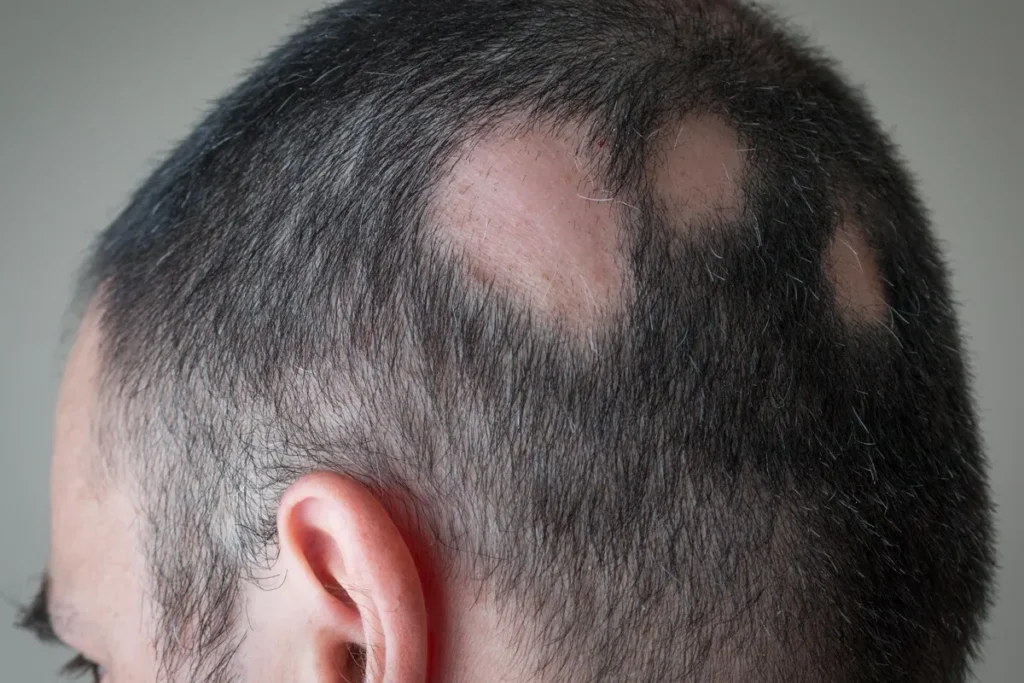
Telogen effluvium supportive therapy includes many treatments to help hair grow back. This condition makes hair fall out too much. It needs a full plan to manage its effects.
Identifying and Addressing Underlying Causes
Finding and fixing the root causes of telogen effluvium is the first step. This might mean checking for health issues like thyroid problems or nutritional gaps. Fixing these problems is key to stop more hair loss and help it grow back.
A study in the Journal of Clinical and Aesthetic Dermatology says, “Finding and treating the cause of telogen effluvium is key to managing it well.”
Nutritional Supplementation for Hair Recovery
Supplements are important in treating telogen effluvium. Hydrolyzed collagen, biotin, and vitamins help hair grow. Eating a balanced diet with all the needed nutrients is also important.
Topical Treatments and Specialized Shampoos
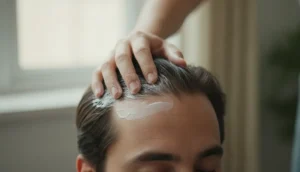
Topical treatments like minoxidil help hair grow back. Shampoos with ketoconazole and saw palmetto also help. They reduce scalp inflammation and keep the scalp healthy.
Lifestyle Modifications and Stress Management
Changing your lifestyle is key in managing telogen effluvium. Stress management like meditation, yoga, and exercise helps. Eating well and avoiding too much heat styling also helps hair stay healthy.
Using these therapy options in a treatment plan helps manage telogen effluvium. It helps hair recover well.
Conclusion: Creating a Comprehensive Treatment Plan
Treating telogen effluvium needs a mix of steps. It’s about fixing the root causes, helping hair grow back, and handling stress. A good plan includes finding and fixing the causes, taking supplements, using creams, and changing your lifestyle.
To beat telogen effluvium, you need to try different things. This includes taking supplements and using creams like Rogaine. Also, making lifestyle changes to manage stress is key.
Good treatments for telogen effluvium tackle the causes, use supplements, and apply creams. For chronic cases, it’s all about long-term stress management and hair growth support.
Knowing what causes telogen effluvium and having a solid treatment plan helps a lot. It’s about making your hair grow back and controlling the condition. Each person’s treatment plan should be unique, mixing different methods for the best results.
SSS
What is the best shampoo for telogen effluvium?
There is no specific “best” shampoo for Telogen effluvium because it’s a shedding disorder, not a scalp disease. Use a gentle, sulfate-free shampoo and keep the scalp clean. Medicated shampoos are usually not necessary unless there’s dandruff or irritation.
How do I treat telogen effluvium at home?
Focus on correcting triggers: improve nutrition (protein, iron, vitamin D), reduce stress, sleep well, avoid crash dieting, and be gentle with hair. Most cases resolve naturally within 3–6 months once the cause is addressed.
How is telogen effluvium pronounced?
It is pronounced: TEL-uh-jen uh-FLOO-vee-um.
What are the treatments for chronic telogen effluvium?
Chronic cases require identifying long-term triggers such as iron deficiency, thyroid problems, or ongoing stress. Blood tests, nutritional correction, stress management, and sometimes topical treatments like Minoxidil may be recommended.
Can telogen effluvium be cured?
Yes, in most cases it is reversible. Once the underlying trigger is corrected, hair typically regrows over several months.
Is Rogaine effective for telogen effluvium?
Minoxidil (Rogaine) may help speed up regrowth, but it is not always necessary since telogen effluvium often resolves on its own.
What are some remedies for telogen effluvium?
Balanced diet, iron and vitamin D correction (if deficient), stress reduction, scalp massage, gentle hair care, and patience—since regrowth takes time.
Referanslar
National Center for Biotechnology Information. Evidence-Based Medical Insight. Retrieved from https://www.ncbi.nlm.nih.gov/books/NBK430848/