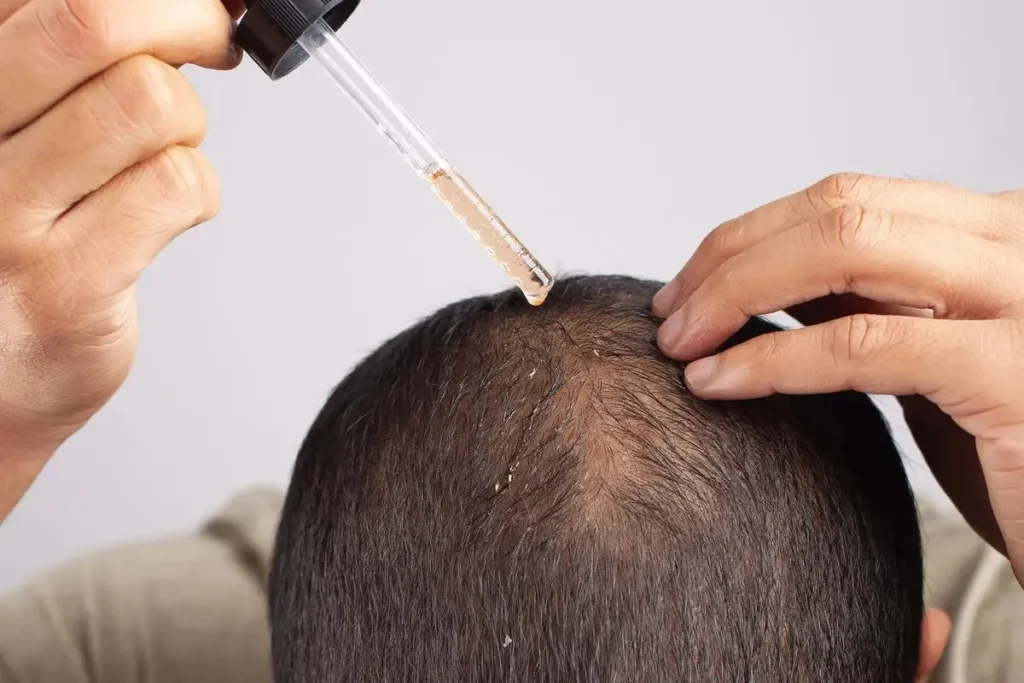
Hair loss is a common issue affecting millions worldwide. About 85% of men and 33% of women experience it at some point in their lives.
What does hair loss look like? Identify the scary early signs and find amazing, powerful ways to achieve incredible hair restoration today.
The early signs of hair loss differ between genders. It’s important to understand these signs early to act quickly.
Spotting the early signs is key for successful treatment. At first, people might notice a change in their hair’s texture. They might also see an increase in shedding.
Önemli Çıkarımlar
Hair loss affects a significant portion of the population worldwide.
Early signs vary between individuals and genders.
Understanding the initial stages is vital for timely intervention.
Recognizing early signs can lead to successful treatment and management.
Changes in hair texture or increased shedding are common early indicators.
Understanding Hair Loss: Statistics and Facts
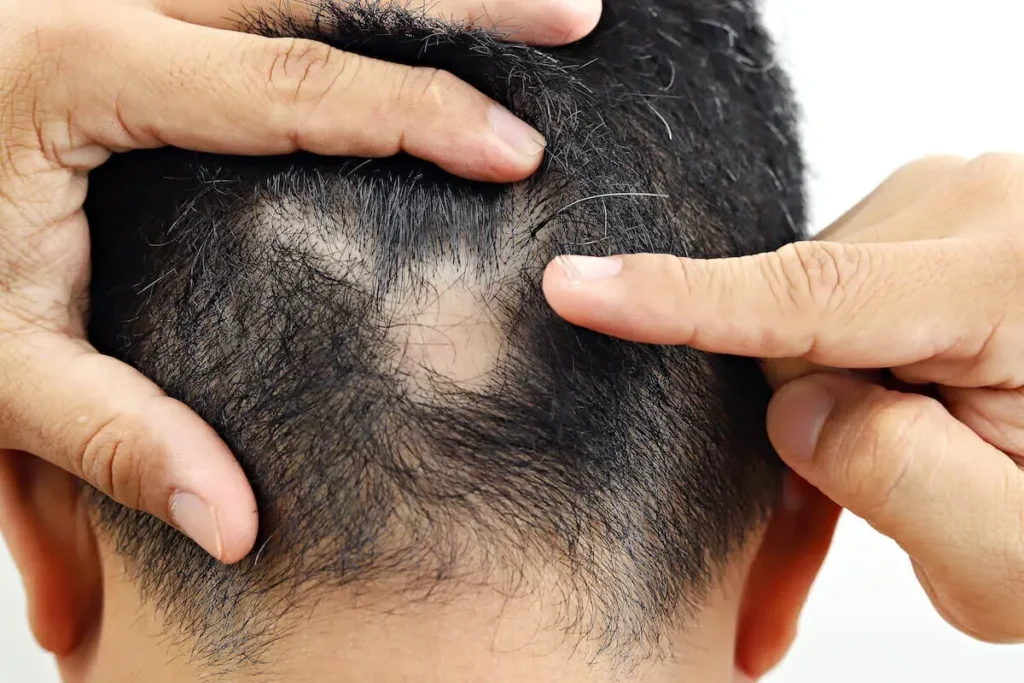
It’s important to know the numbers behind hair loss. This helps us see how it affects people of different ages and genders. Hair loss is a big issue that touches many lives. So, let’s look at the facts to understand its impact better.
Prevalence of Hair Loss Across Genders
Hair loss happens to both men and women, but in different ways. About 85% of men and 33% of women will lose hair at some point. These numbers show how common hair loss is, affecting both men and women.
Men and women lose hair for different reasons. Hormones, genes, and lifestyle play big roles. For example, men often lose hair because of a hormone change that shrinks hair follicles.
Age-Related Hair Loss Statistics
Hair loss gets more common with age. Men might start to notice it in their twenties. By 50, 50% of men will have lost some hair. Women usually start to lose hair around menopause, due to hormonal shifts.
As people get older, hair loss becomes more likely. This is because of aging, environmental stress, and slower hair growth. Knowing this can help people prepare for hair loss and take steps to keep their hair healthy.
What Does Hair Loss Look Like in Different Genders?
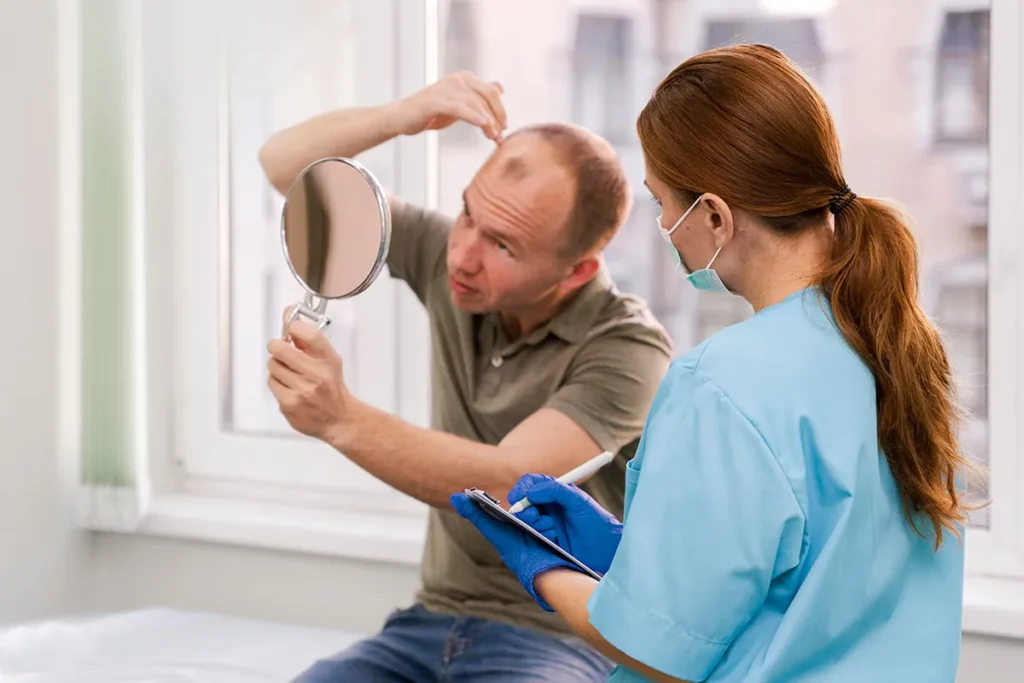
It’s important to know how hair loss shows up in men and women. This knowledge helps in finding the right treatment. Hair loss, or alopecia, looks different in men and women because of hormones and genes.
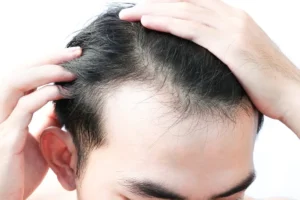
Male pattern hair loss starts with a receding hairline. Then, the hair at the crown gets thinner. This happens because of a hormone change, making hair follicles smaller.
Male Pattern Hair Loss Appearance
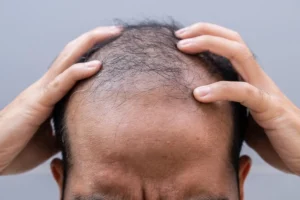
Male pattern hair loss follows a certain pattern. It begins with a hairline that recedes, forming an “M” shape. Then, the hair at the crown starts to thin. In severe cases, this can lead to baldness.
The Norwood Scale helps track how much hair loss a man has. It ranges from Type I (a little hair loss) to Type VII (a lot of hair loss). Knowing this helps doctors plan the best treatment.
Female Pattern Hair Loss Characteristics
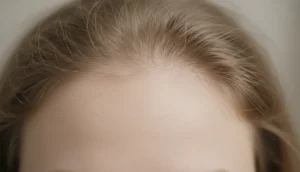
Female pattern hair loss is different. It shows as thinning all over the scalp, not just a receding hairline. Women might notice their part getting wider or their hair getting thinner on top.
Female pattern hair loss is also caused by hormones, stress, and genes. Doctors use the Ludwig Scale to measure how severe the hair loss is.
It’s key to know these differences to treat hair loss right. Both men and women can lose hair, but the reasons and how it looks are different. So, treatments need to be specific to each gender.
First Signs of Thinning Hair to Watch For
Spotting the first signs of thinning hair is key for those wanting to stop hair loss. Hair thinning can worry people when it changes how they look and feel.
Daily Hair Shedding: Normal vs. Excessive
It’s okay to lose some hair each day, with most people shedding 50-100 hairs. But, excessive shedding might mean hair loss is starting. Stress, not eating right, or hormonal shifts can make hair fall out more.
Seeing a lot of hair on your pillow, comb, or in the shower drain? That’s a sign of excessive hair shedding.
Visual Indicators of Early Hair Loss
Other signs of early hair loss include a receding hairline, thinning at the crown, or less hair overall. You might see more of your scalp or notice your ponytail isn’t as full.
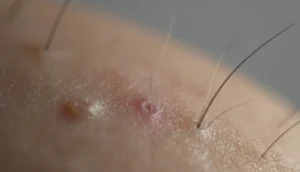
Look out for miniaturized hairs, which are shorter and finer. They can be a sign that hair loss is happening.
The Beginning of Balding: Early Stages
Balding starts differently for men and women. Men often see their hairline recede, while women notice thinning at the crown or a wider part. Spotting these signs early can help prevent more loss.
Knowing the beginning of balding and how it progresses helps people find treatments or talk to a dermatologist about managing hair loss.
Conclusion: Recognizing and Addressing Early Hair Loss
Spotting hair loss early is key to managing it well. Knowing what hair loss looks like helps people catch it early. This allows for quick action.
Seeing hair loss early means better treatment options. This includes medicines and lifestyle changes that help hair grow back. Being aware of thinning hair helps people act fast.
Dealing with hair loss early can greatly improve results. There are many treatments out there. The right one depends on why you’re losing hair. Early detection means you can get professional advice on the best treatment.
In short, knowing the signs of hair loss early lets people take charge of their hair. This can lead to regrowing hair and a fuller head of hair.
SSS
What are the early signs of hair loss?
Early signs include thinning at the crown, receding hairline, or more hair falling during washing or brushing.
How does hair thinning look like?
Hair appears less dense, scalp becomes slightly visible, and strands may feel finer.
What does early balding look like?
A receding hairline, thinning crown, or patchy hair areas are common early signs.
How can I tell if I’m losing my hair?
Notice increased shedding, widening part lines, or less hair volume over time.
What is considered normal daily hair shedding?
Shedding 50–100 hairs per day is normal.
Can hair regrow if hair loss is caught early?
Yes, early intervention can slow loss and sometimes stimulate regrowth.
How does hair loss manifest differently in men and women?
Men often develop a receding hairline or bald spots; women usually see diffuse thinning on the top.
What are the first signs of thinning hair in women?
Widening part lines, less volume, and hair looking limp or sparse on the crown.
Are there any age-related statistics on hair loss?
Around 25% of men notice thinning by age 25, and over 50% by age 50; women often experience thinning after menopause.
What are the visual indicators of early hair loss?
Scalp visibility, receding hairline, thinning crown, and smaller or fragile hair strands.
Referanslar
National Center for Biotechnology Information. Evidence-Based Medical Insight. Retrieved from https://pmc.ncbi.nlm.nih.gov/articles/PMC12187474/