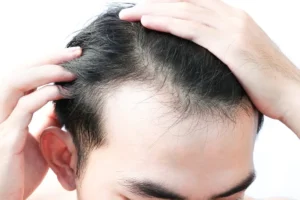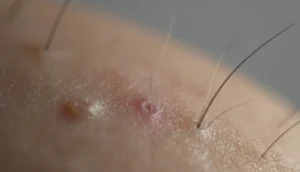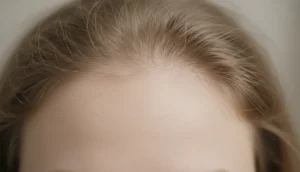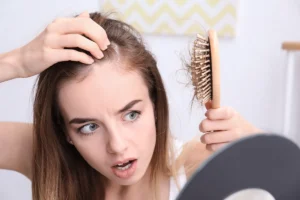
A flaky scalp can really bother you and make you feel self-conscious. It’s a problem that affects many people around the world. It can be as simple as dry skin or something more serious that needs doctor’s care.
Why is my scalp so flaky? Discover an incredible fix and powerful remedies to stop scary dandruff for an amazing, healthy scalp forever.
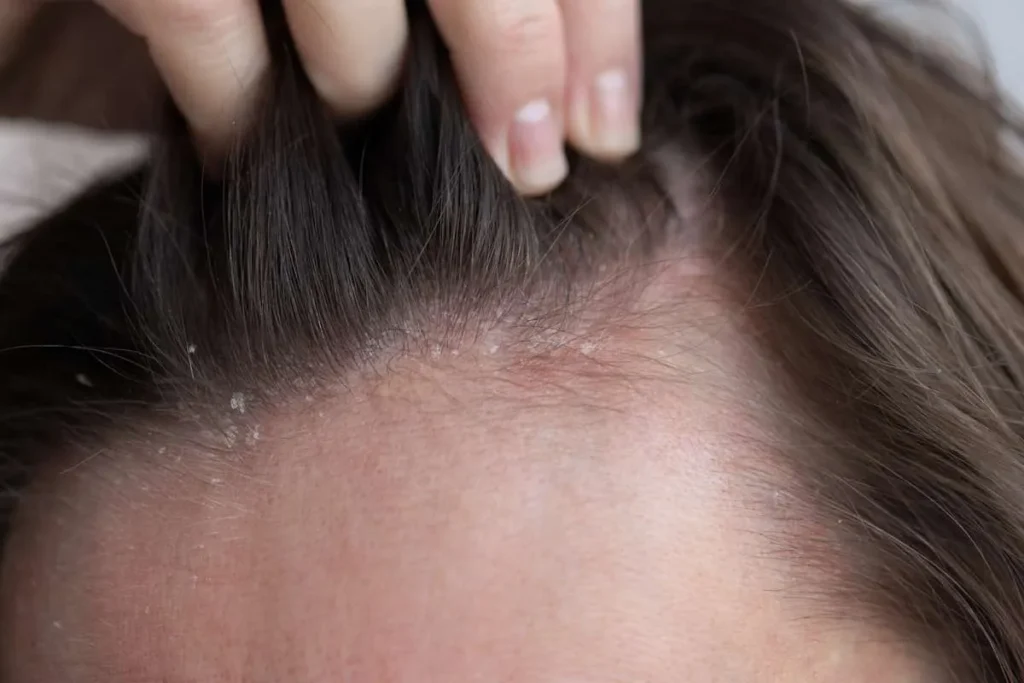
There are many reasons why your scalp might flake. These include seborrheic dermatitis, psoriasis, eczema, dry skin, and fungal infections like Malassezia. The Medical organization says seborrheic dermatitis is a common cause of scalp flaking. Medical organization adds that dandruff is a mild version of this condition.
Gold City Hair’s team of dermatologists is here to help. They offer detailed checks and treatments that fit your needs. They know how scalp problems can affect you physically and emotionally. They aim to provide top-notch, patient-focused care.
Önemli Çıkarımlar
Scalp flakiness can result from multiple causes, including seborrheic dermatitis and dry skin.
Gold City Hair offers complete evaluations and treatment plans.
Seborrheic dermatitis is a common cause of scalp flaking.
Dandruff is seen as a mild form of seborrheic dermatitis.
Patient-centered care is a top priority at Gold City Hair.
Why Is My Scalp So Flaky? Understanding the Causes
A flaky scalp can be embarrassing and uncomfortable. Finding out why it’s happening is the first step to feeling better. Scalp flakiness can come from many medical issues and infections.
Seborrheic Dermatitis and Thick Dandruff Flakes
Seborrheic dermatitis is a common problem that makes the scalp inflamed. This leads to thick dandruff flakes. The Medical organization says this condition causes big flakes in hair because of skin cell buildup. To treat it, you need medicated shampoos and creams to fight inflammation and flaking.
Psoriasis, Eczema, and Other Skin Conditions
Psoriasis and eczema can also make the scalp flaky. Psoriasis makes skin cells grow too fast, causing large dry flakes on scalp. Eczema causes inflammation and itching, making things worse. Knowing what’s causing the flakiness is key to treating it right.
Fungal Infections and Malassezia
Fungal infections, like those from Malassezia, are another reason for scalp flakiness. Malassezia is a fungus that eats the oils from the scalp, causing irritation and flaking. Antifungal treatments can help manage this and reduce scalp is peeling symptoms.
Managing scalp flakiness starts with figuring out the cause and picking the right treatment. Whether it’s seborrheic dermatitis, psoriasis, eczema, or a fungal infection, knowing the cause is vital for relief.
Environmental Factors Contributing to a Dry, Flaky Scalp
Many things in our environment affect our scalp’s health. Knowing what these are can help us prevent dryness and flakiness.
Weather Conditions and Humidity Levels
Cold weather and low humidity can dry out our scalp, causing flakiness. On the other hand, high humidity can make scalp problems worse, like fungal infections. Maintaining a balance in scalp care routines based on the weather can help.
Hair Care Products and Washing Habits
Using harsh hair care products and washing too much can remove our scalp’s natural oils. This leads to dryness and flakiness. It’s important to use gentle, sulfate-free shampoos and conditioners. Also, reducing how often we wash our hair or using warm water instead of hot can help.
Distinguishing Between Dandruff and Non-Dandruff Flaking
Not all scalp flaking is from dandruff. Conditions like dry scalp, psoriasis, and eczema can also cause it. Knowing the cause is key to treating it right. For example, dandruff often means itchiness and oiliness, while a dry scalp is just dry and flaky without itchiness.
The Impact of Diet and Stress
Our diet and stress levels can greatly affect our scalp. A diet lacking zinc and vitamin B can lead to scalp problems. High stress can also make scalp conditions worse. Eating a balanced diet with fruits, vegetables, and whole grains, and finding ways to reduce stress, can help keep our scalp healthy.
Effective Solutions for Treating a Flaky Scalp
To treat a flaky scalp, you need to use medicated shampoos, scalp moisturizers, and make lifestyle changes. If your scalp is very dry and flaky, start with a gentle, fragrance-free shampoo. It can help ease your symptoms.
Medicated shampoos with zinc pyrithione or ketoconazole can fight dandruff thick flakes and lower inflammation. Also, using scalp moisturizers can soothe and hydrate your scalp. This can lessen flakiness and the discomfort of a really dry flaky scalp.
Changing your lifestyle is also important. Reducing stress and eating a balanced diet can help manage scalp flakiness. Dermatologists say that foods rich in omega-3 fatty acids and vitamins promote healthy skin. This can reduce flaking scalp not caused by dandruff.
By adding these solutions to your daily routine, you can manage a flaky scalp. This will help reduce the discomfort of a scalp very dry and flaky.
SSS
What causes thick dandruff flakes on the scalp?
Thick dandruff flakes are usually caused by seborrheic dermatitis, fungal overgrowth (like Malassezia), or excessive oil and dead skin buildup on the scalp. Dry scalp and irritation can also contribute.
How do I get rid of large dry flakes on my scalp?
Use medicated shampoos containing ketoconazole, zinc pyrithione, or salicylic acid, and gently exfoliate the scalp. Consistent washing and moisturizing help reduce buildup and flaking.
Is a flaky scalp a sign of a serious health condition?
Most scalp flaking is mild, but persistent or severe flaking can indicate conditions like psoriasis, eczema, or fungal infections that require medical evaluation.
Can weather conditions affect scalp flakiness?
Yes, cold, dry weather can dry out the scalp and worsen flaking, while hot, humid weather can increase oil and yeast activity, also causing flakes.
How can I distinguish between dandruff and non-dandruff flaking?
Dandruff usually produces yellowish or white oily flakes with mild itching, while dry scalp flakes are smaller, white, and often associated with dryness. Scalp psoriasis presents as thick, silvery plaques.
Can diet and stress affect scalp health?
Yes, poor nutrition and high stress levels can worsen scalp dryness, dandruff, and inflammation by affecting hormone balance and immune response.
What are some effective treatments for a dry, flaky scalp?
Medicated shampoos, gentle cleansing, moisturizing oils, avoiding harsh styling products, and managing stress are effective ways to treat a flaky scalp.
How often should I wash my hair to prevent scalp flakiness?
Washing 2–3 times per week with a gentle or medicated shampoo helps remove excess oil and flakes while preventing dryness. Adjust frequency based on hair type and scalp condition.
Referanslar
Ulusal Biyoteknoloji Bilgi Merkezi. Kanıta Dayalı Tıbbi Öngörü. Erişim adresi https://pmc.ncbi.nlm.nih.gov/articles/PMC4852869/