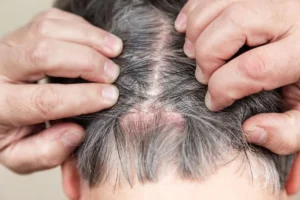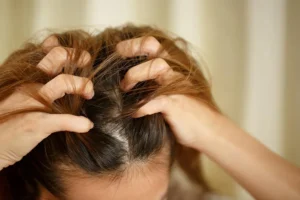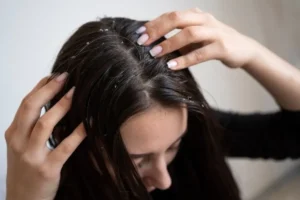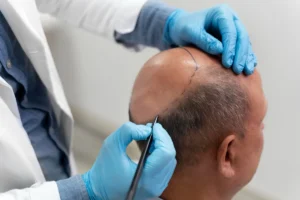
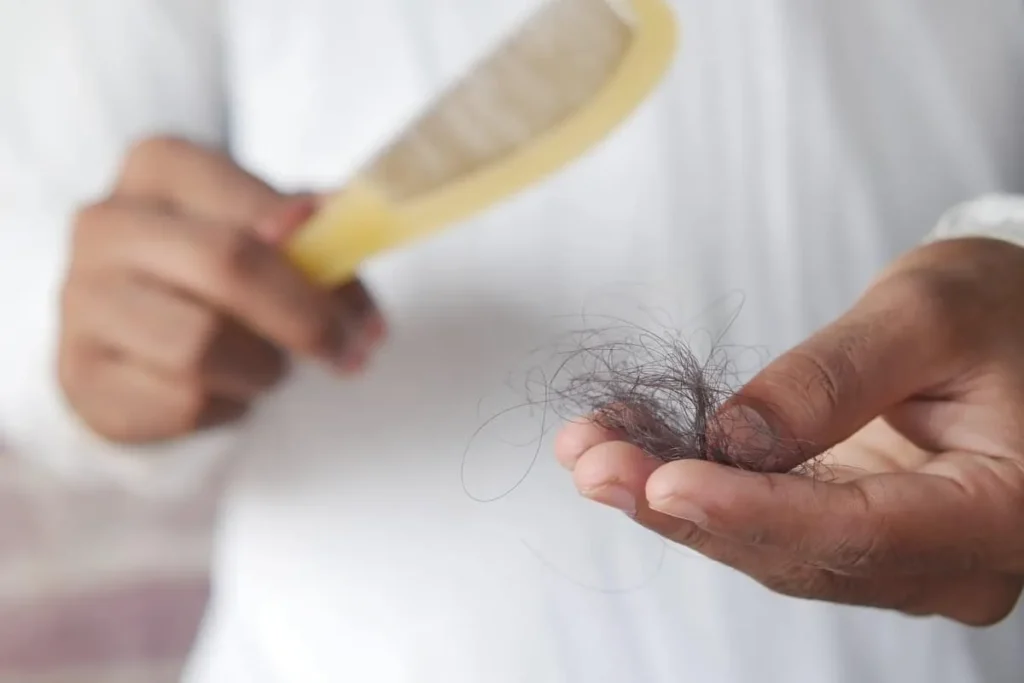
Have you noticed more hair falling out when you’re stressed? The link between stress-related hair loss and feeling overwhelmed is real. It’s not just in your head; it’s in your body.
When you’re under a lot of emotional stress, your body’s stress response kicks in. This makes hair follicles go into a resting phase too early. This leads to thinning hair. This condition, called telogen effluvium, happens to many people who are feeling stressed or anxious.
Recent studies show that when we face big stress, about 70 percent of our hair stops growing. It goes into a resting phase, causing more hair to fall out.
Önemli Çıkarımlar
Understand the connection between stress-related hair loss and emotional strain.
Learn how telogen effluvium affects hair growth.
Discover natural solutions to stop hair loss stress.
Explore ways to reduce anxiety hair thinning.
Find out how to promote healthy hair growth.
Does Stress Make You Lose Hair? Understanding the Connection
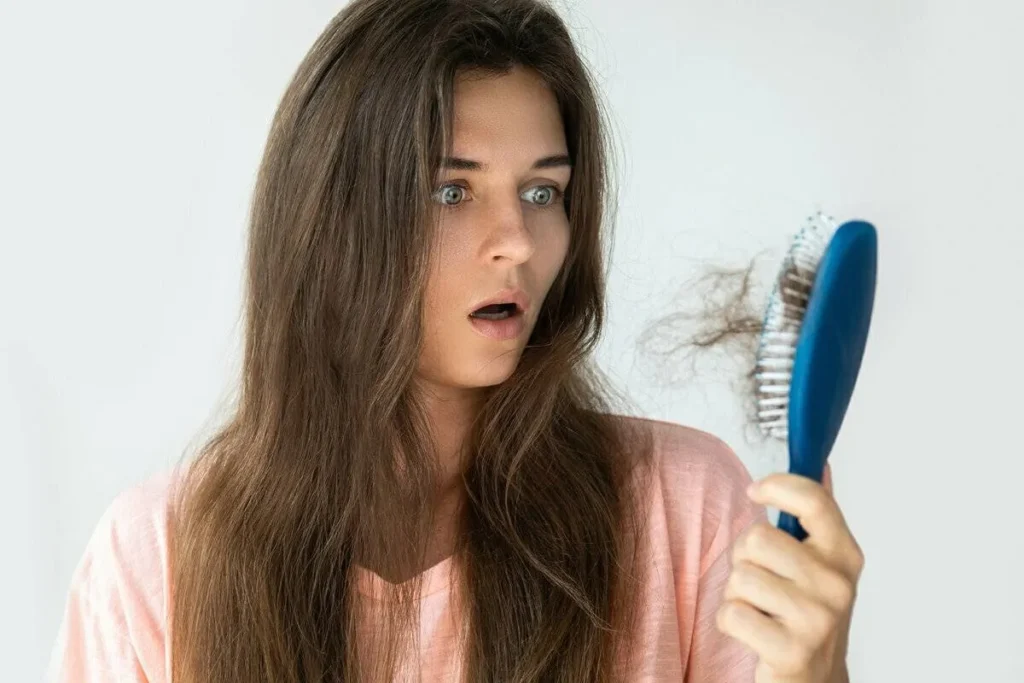
It’s important to know how stress affects hair loss. Stress can disrupt the body’s normal functions, including hair growth.
Stress and Hair Growth Cycle: The hair growth cycle has three phases: anagen (growth), catagen (transitional), and telogen (resting). Stress can push more hairs into the telogen phase. This leads to more hair shedding.
The Impact of Stress Hormones: Stress makes the body release stress hormones like cortisol. High cortisol levels can harm hair follicles, causing hair loss.
Recognizing signs of stress-related hair loss is key. Knowing the link between stress and hair loss helps fight it. It’s a step towards healthier hair growth.
Does Stress Make You Lose Hair? Understanding the Connection
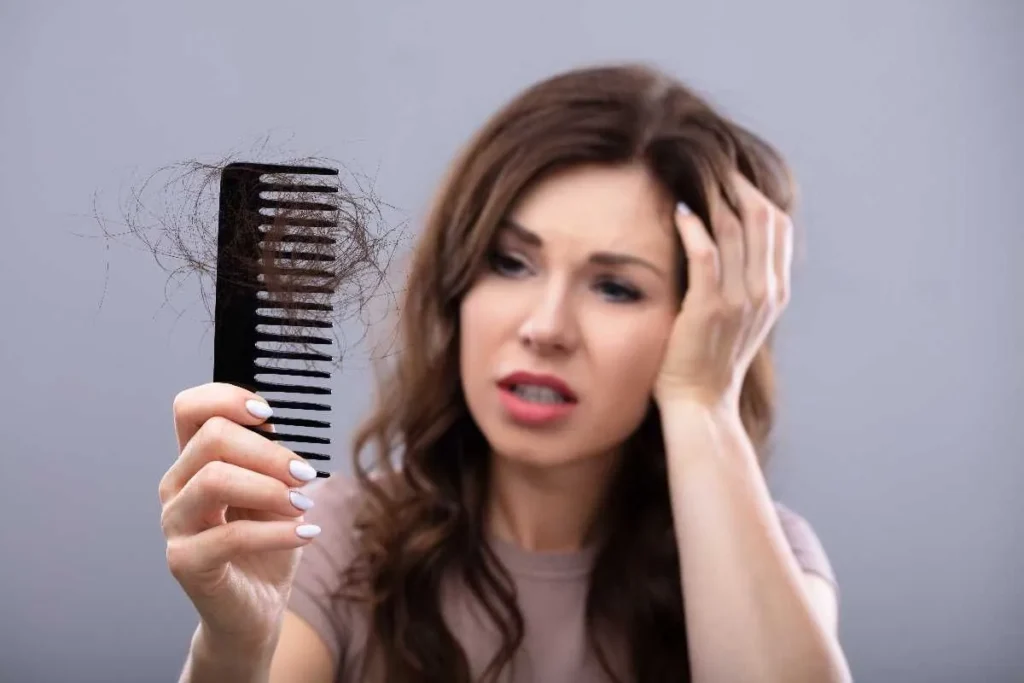
Stress can affect hair growth by disrupting the hair cycle. This cycle has three phases: anagen, catagen, and telogen. Stress can upset this balance.
The Science of Telogen Effluvium
Telogen effluvium happens when stress makes more hair follicles enter the telogen phase. This leads to a lot of hair falling out. It can be caused by big stress, like being sick, having surgery, or going through a lot of emotional stress. Medical Expert, a hair expert, says, “Stress can make many hair follicles stop growing and rest. This causes a lot of hair to fall out.”
Telogen effluvium shows up a few months after the stressful event. It’s important to link the stress to the hair loss.
How to Identify Stress-Related Hair Thinning
To spot stress-related hair thinning, look for certain signs. Common signs include:
Noticeable shedding after being sick or feeling burned out
Thinning on the scalp or temples
Slow hair growth after the stressful event has passed
It’s key to tell normal hair shedding from stress-induced hair loss. While some hair loss is okay, too much or thinning needs checking.
Understanding stress-related hair loss and spotting its signs early can help fix the problem.
Effective Natural Remedies to Combat Stress-Induced Hair Loss
To fight stress-related hair loss, it’s key to try natural remedies. Stress hair loss is tough to handle, but natural treatments can help. They promote hair growth and cut down on shedding.
Essential Nutrients and Supplements for Hair Regrowth
Eating a balanced diet is vital for healthy hair. Some supplements can also boost hair health by fixing nutritional gaps.
Nutrients for Hair Regrowth:
Biotin: It’s important for hair growth by turning protein into energy.
Vitamin D: Keeps hair follicles healthy.
Zinc: It helps grow and keep hair healthy.
Omega-3 Fatty Acids: They nourish the scalp, helping hair stay healthy.
Medical Expert, Trichologist
Herbal Treatments and Topical Solutions
Herbal treatments and topical solutions can also help grow hair. Rosemary essential oil boosts scalp circulation, aiding hair growth.
Topical Solutions:
Minoxidil: A treatment that boosts hair growth by improving scalp blood flow.
Rosemary Essential Oil: It helps improve scalp circulation, aiding hair growth.
Adding these natural remedies to your daily routine can help fight stress hair loss. It promotes healthy hair growth.
Lifestyle Modifications to Prevent Hair Loss from Stress
Stress can cause hair loss, but simple changes can help. By managing stress, eating right, exercising, and sleeping well, you can fight hair loss. These steps can make a big difference.
Stress Management and Relaxation Practices
Managing stress is key to preventing hair loss. Yoga, meditation, and deep breathing exercises lower cortisol. This helps keep your hair healthy. Doing these regularly can really help.
Here are some tips to start managing stress:
Start with short yoga or meditation sessions (10-15 minutes) every day.
Use deep breathing exercises when you’re stressed.
Do things that make you happy and take your mind off stress.
Optimizing Diet and Exercise for Hair Health
Eating well and exercising can help your hair grow. Foods rich in vitamins A, C, and E, and omega-3 fatty acids are great for your hair.
Improving Sleep Quality to Reduce Hair Shedding
Good sleep is essential for hair health. Bad sleep can increase stress and lead to hair loss. A regular sleep schedule and a calming bedtime routine can improve your sleep.
Here are some tips to better your sleep:
Stick to a consistent sleep schedule.
Avoid caffeine and screens before bed.
Try a relaxing bedtime routine, like reading or a warm bath.
Conclusion: Restoring Your Hair’s Natural Growth Cycle
Getting your hair to grow back after stress loss needs a full plan. This includes natural fixes, changing your lifestyle, and managing stress. Knowing how stress affects hair loss helps you start fixing it.
Managing stress well, eating right, and exercising often can help your hair grow back. Adding important nutrients like biotin and vitamin B also helps your hair stay healthy.
Using these methods, you can get over hair loss from stress and have thicker, healthier hair. It’s important to be patient and keep working at it to fix your hair’s natural cycle.
With a solid plan, you can beat stress-related hair loss and have a lively, healthy hairdo. Taking care of your overall health will make your hair look better too.
SSS
Can Stress Cause Hair Loss?
Yes, chronic stress triggers telogen effluvium, pushing hair into resting/shedding phase.
Stop Stress-Related Hair Loss?
Reduce stress via meditation/exercise, use minoxidil, ensure protein/zinc intake.
Anxiety Cause Hair Loss in Women?
Yes, elevates cortisol, disrupting cycles like men; postpartum/thyroid common too.
Stress Hair Loss Grow Back?
Yes, typically regrows 3-6 months after stress resolves.
Regain Stress Hair Loss Naturally?
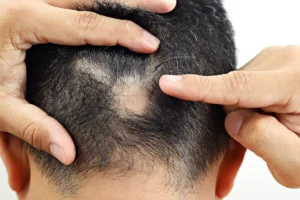
Does Stress Cause Alopecia?
Can trigger alopecia areata via immune dysregulation; not direct cause.
Stress Make Hair Fall Out?
Yes, cortisol prolongs telogen phase, increasing diffuse shedding.
Reverse Stress Hair Loss?
Treat stressor, wait 3-6 months for natural regrowth; minoxidil accelerates.
Stress Hair Loss Permanent?
Rarely; telogen effluvium reverses unless follicles scarred.
Can Stress Cause Balding?
Triggers temporary thinning, not true MPB; chronic cases may accelerate genetic loss.
Referanslar
Ulusal Biyoteknoloji Bilgi Merkezi. Kanıta Dayalı Tıbbi Öngörü. Erişim adresi https://pmc.ncbi.nlm.nih.gov/articles/PMC7320655/