
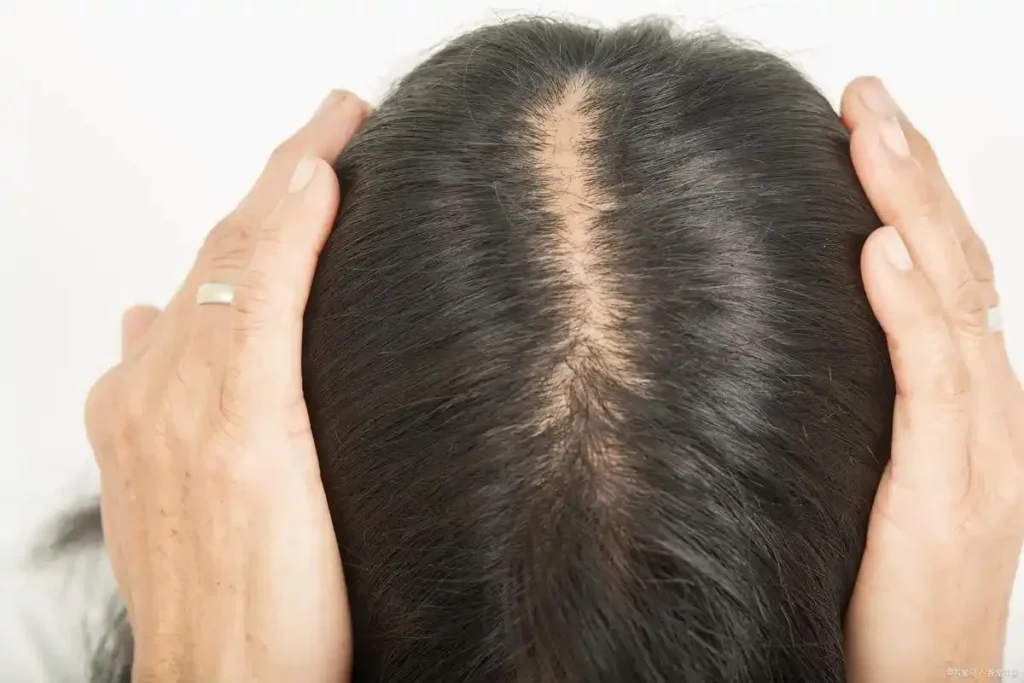
Millions of people worldwide struggle with fine thin hair. This condition affects not just their looks but also their self-confidence. Research shows that nearly 30% of women and 24% of men experience hair thinning.
Understanding hair thickness is key to solving this problem. Fine hair strands are hard to manage, but the right approach can make hair look thicker and healthier. By learning about hair thinning causes and effective thickening methods, people can start to feel more confident.
Önemli Çıkarımlar
Understanding the causes of fine thin hair is essential to finding effective solutions.
Hair thinning affects a significant percentage of the global population.
Recent research provides insights into the prevalence and possible treatments for thin hair strands.
Adopting the right hair care methods can significantly improve hair thickness.
Combining medical protocols with a patient-centered approach can lead to healthier hair.
Understanding Fine Thin Hair: Causes and Prevalence

It’s important to know why fine thin hair happens. This issue affects many people, impacting their looks and confidence.
Difference Between Fine Hair and Thin Hair
Fine hair and thin hair are not the same. Fine hair is about the hair’s texture and size. Thin hair is about how many hairs you have on your scalp.
People with fine hair have smaller hair strands. This makes their hair break easily and hard to style. Thin hair means you have fewer hairs, making your hair look less full.
Statistical Prevalence Across Genders
Both men and women can have fine thin hair. But, the reasons and how common it is can differ. About 50% of women start to lose hair by 50. Men also face hair loss, with male pattern baldness being common.
This shows we need to understand and treat fine thin hair better.
Structure of Fine Hair Strands
Fine hair strands are smaller than thicker ones. This makes them more likely to get damaged. Damage can come from heat, chemicals, or just daily life.
Knowing the difference between fine and thin hair helps. Understanding how common it is and how fine hair works is key. This knowledge is the first step to solving hair problems.
Common Factors That Contribute to Fine Thin Hair
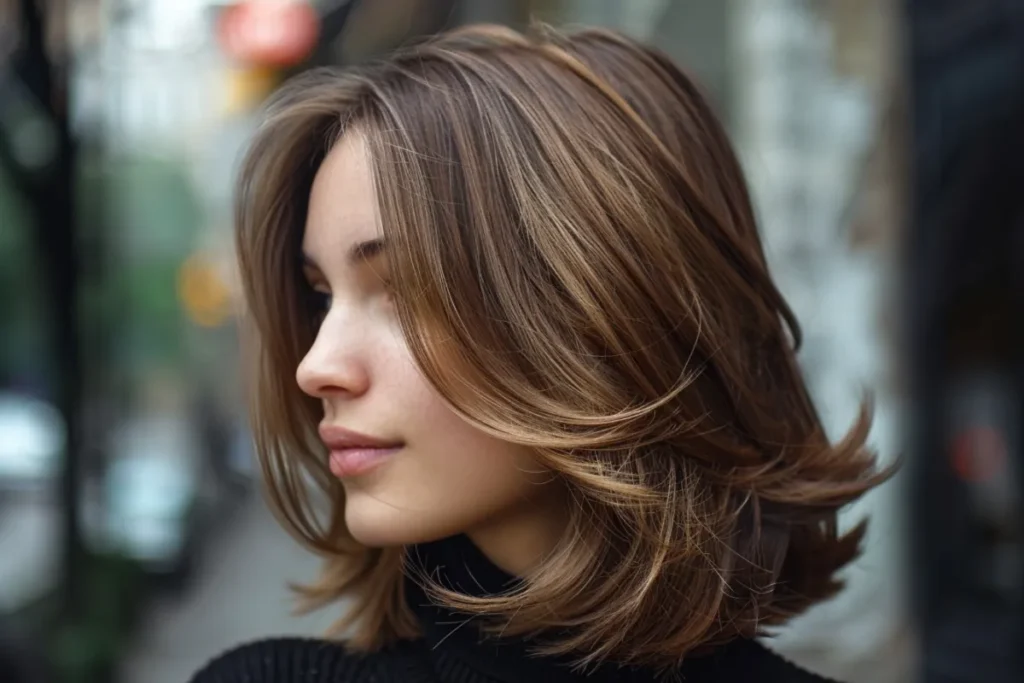
Many things can make your hair fine and thin. Knowing what they are is the first step to fixing it. Fine thin hair often comes from your genes, stress, not eating right, and some health problems.
Genetik Yatkınlık
Genetics are a big deal when it comes to hair. If your family has thin hair, you might too. Genetic predisposition is a top reason for fine thin hair. Even though you can’t change your genes, knowing this helps you pick better hair care.
Stress-Related Hair Thinning
Stress can also make your hair thinner. When you’re stressed, your body might stop growing hair. Women who are stressed a lot are 11 times more likely to lose hair. So, managing stress is key to keeping your hair healthy.
Nutritional Deficiencies
Not getting enough iron and vitamin B12 can hurt your hair. It can make it thin and brittle. Eating well is important for strong, healthy hair. A healthy body grows thicker, better hair.
Iron deficiency can lead to hair loss.
Vitamin B12 is key for hair growth.
Eating right keeps your hair healthy.
Medical Conditions Affecting Hair Thickness
Some health issues can also make your hair thinner. Things like thyroid problems, autoimmune diseases, and skin issues can affect your hair. If your hair is suddenly thinning a lot, see a doctor to check for health problems.
Knowing what causes fine thin hair is the first step to fixing it. You can manage stress, eat better, or get medical help. There are many ways to get thicker, healthier-looking hair.
Best Methods to Thicken Fine Thin Hair
For those with fine thin hair, a mix of daily care, volumizing tricks, and diet changes can help a lot. By adding these to your routine, you can get thicker, healthier-looking hair.
Daily Hair Care Routines
Keeping a good hair care routine is key for thicker hair. Use gentle shampoos and conditioners for fine hair. Also, cut down on heat styling and avoid rough brushing or combing.
Gentle Hair Care Tips:
Use a wide-tooth comb or a detangling brush to minimize breakage.
Avoid using hot water; instead, use warm or cool water for washing.
Limit the use of heat styling tools or use a heat protectant spray.
Volumizing Products and Techniques
Volumizing products can add body and thickness to fine thin hair. Try using a round brush while blow-drying. Or apply a volumizing mousse or spray at the roots for more volume.
Popular Volumizing Products:
Dietary Changes for Stronger Hair
Eating foods rich in vitamins and minerals, like biotin, vitamin E, and omega-3 fatty acids, can strengthen fine thin hair.
Nutritional Tips for Hair Growth:
Include foods high in protein like fish, eggs, and nuts.
Consume foods rich in omega-3 fatty acids, such as salmon.
Take supplements like biotin if you’re not getting enough from your diet.
Styling Strategies for Added Volume
Styling your hair in certain ways can make it look thicker. Try cutting your hair to the right length, using layering, and styling in loose waves instead of straight.
Styling Tips:
Opt for a haircut with layers to add volume.
Use a texturizing spray to add grit and volume.
Avoid heavy styling products that can weigh your hair down.
Sonuç
Understanding why hair becomes fine and thin is key. By using the right strategies, you can make your hair look thicker and healthier. For those with super thin hair, a complete plan is needed. This includes good hair care, using products that add volume, and eating right.
Women with thin hair can use styling tricks to add volume and texture. The right products and techniques can greatly improve your hair’s look. Whether your hair is thin and fine or flat, being consistent and patient is important.
Following the advice in this article can help you manage your hair concerns. You can achieve the thicker, healthier hair you want. With the right steps, you can increase hair volume and feel more confident and vibrant.
SSS
Fine vs. Thin Hair?
Fine hair refers to individual strand diameter (thin, silky strands); thin hair means low density/fewer strands overall.
Thicken Fine Thin Hair?
Minoxidil, biotin/çinko takviyeleri, saç derisi masajı, protein açısından zengin beslenme folikül sağlığını destekler.
Common Causes of Fine Thin Hair?
Genetics, aging, hormones, stress, nutritional gaps (iron/protein), thyroid issues.
Stress Cause Hair Thinning?
Evet, telogen effluvium'u tetikleyerek saçları geçici olarak dökülme evresine iter.
Dietary Changes for Hair Growth?
Protein (yumurta, balık), omega-3 (somon), biyotin (fındık), demir (ıspanak), D vitamini ekleyin.
Referanslar
Ulusal Biyoteknoloji Bilgi Merkezi. Kanıta Dayalı Tıbbi Öngörü. Erişim adresi https://pmc.ncbi.nlm.nih.gov/articles/PMC10750333/





