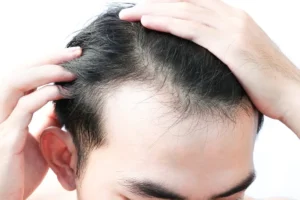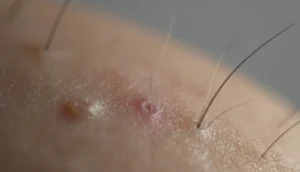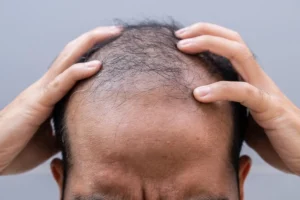
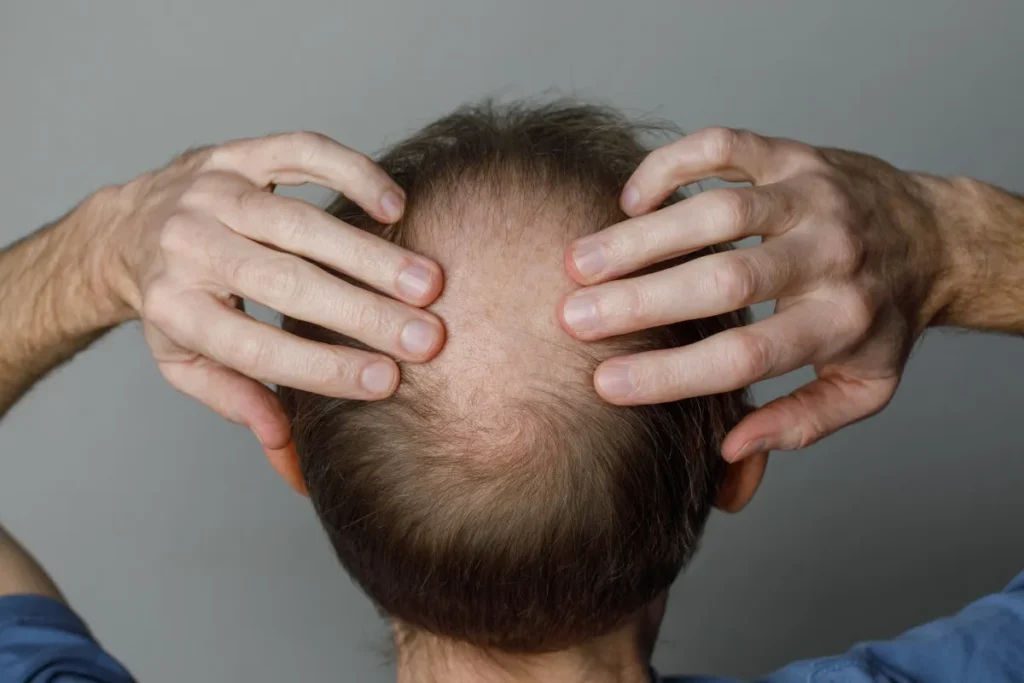
Alopecia areata is an autoimmune disorder that causes patchy hair loss. But it affects more than just hair. It also impacts fingernails and toenails. Studies show that about 22 to 30 percent of people with this condition see changes in their nails.
Identify alopecia areata nails with these scary signs. Find amazing, powerful treatments for incredible health and beautiful nails fast.
This condition causes too much hair loss because of inflammation around hair follicles. It can also change the texture, shape, or color of nails. Knowing about these changes is key to managing the condition well.
Nail changes occur in about 45% of people with alopecia areata. So, it’s important to spot these signs early.
Önemli Çıkarımlar
Nail changes are a common symptom of alopecia areata.
Approximately 45% of individuals with alopecia areata experience nail alterations.
Nail texture, shape, and color can be affected.
Early recognition of nail changes is key for effective management.
Alopecia areata needs a complete treatment plan.
Understanding Alopecia Areata and Its Effects
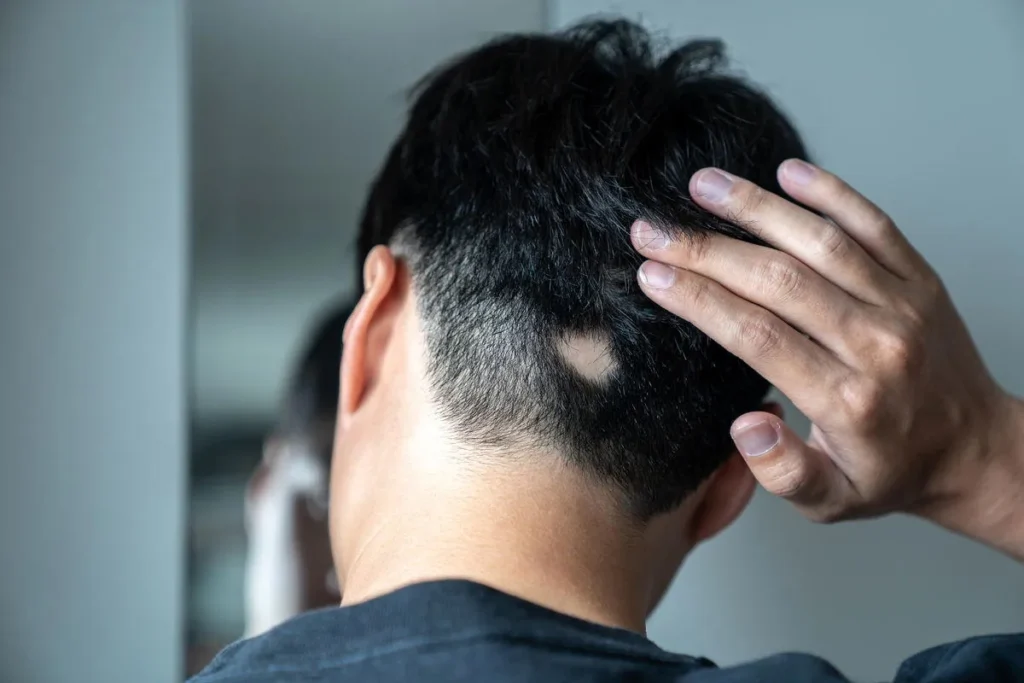
Alopecia areata affects both hair and nails because of the body’s immune response. It’s an autoimmune condition where the immune system attacks hair follicles. This causes sudden, patchy hair loss.
What is Alopecia Areata?
Alopecia areata has unpredictable effects on hair and nail health. It leads to hair loss and various nail changes. Both hair and nails are made of keratin and grow from rapidly dividing cells.
The exact cause of alopecia areata is not known. But research points to a mix of genetics and environmental factors. These factors trigger the immune system to attack the body’s own tissues.
The Immune System’s Role in Nail Changes
The immune system’s abnormal response is key to understanding nail changes in alopecia areata. Hair follicles and nail beds have rapidly dividing cells. This makes them vulnerable to the immune system’s attack.
Nail changes are common in people with alopecia areata. These changes show how the immune system, hair follicles, and nail health are connected. Spotting these changes is important for managing the condition.
Common Alopecia Areata Nails Changes and Symptoms
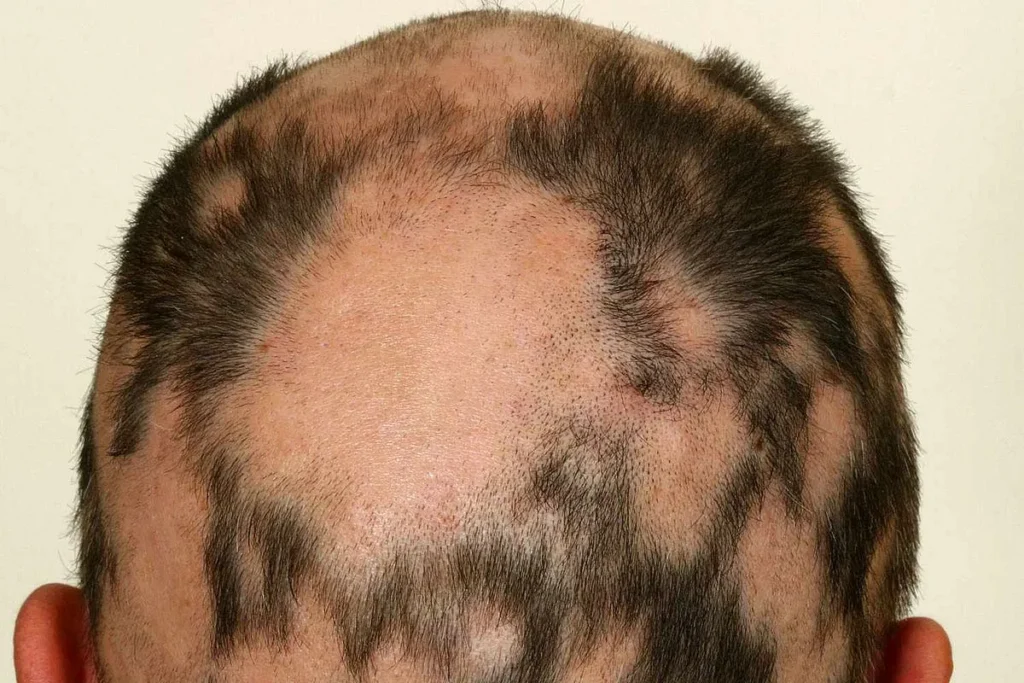
Alopecia areata can cause several nail changes. Each change has its own signs and meanings. These changes can really affect a person’s life.
Nail Pitting
Nail pitting is a common sign of alopecia areata. It happens in about 70% of people with nail issues. The nails have small depressions or pits on them.
Trachyonychia (Rough Nails)
Trachyonychia, or rough nails, is also common in alopecia areata. The nails become rough, brittle, and fragile, feeling like sandpaper. It can affect one or more nails.
Leukonychia (White Spots)
Leukonychia shows up as white spots or patches on the nails. In alopecia areata, these can be small dots or larger areas. It’s caused by nail cell growth problems.
Longitudinal Ridging and Beau’s Lines
Longitudinal ridging creates ridges from the cuticle to the nail tip. Beau’s lines are horizontal grooves from stopped nail growth. Both are signs of alopecia areata and the body’s immune response.
Nail Pitting: Small depressions on the nail surface.
Trachyonychia: Rough, brittle nails with a sandpaper-like texture.
Leukonychia: White spots or patches on the nails.
Longitudinal Ridging: Ridges running from the cuticle to the nail tip.
Beau’s Lines: Horizontal grooves due to halted nail growth.
Conclusion: Recognizing and Managing Nail Changes
It’s key to spot and handle nail changes for those with alopecia areata. Nail signs can be a big part of the condition. Knowing why they happen and how they affect us is vital for managing them well.
Dealing with nail changes from alopecia areata needs a mix of treatments and care tips. Keeping nails short and using special nail products can help. Often, nail issues get better as the alopecia areata treatment works.
People with nail changes from alopecia areata should focus on good nail care. They should watch out for nail pitting, trachyonychia, leukonychia, and other nail problems. Knowing how alopecia areata affects nails helps find the right treatments.
Handling nail changes from alopecia areata needs a full plan. Spotting signs like nail pitting helps get the right care. With the right treatment and care, managing nail changes and improving nail health is possible.
SSS
Is it possible to grow your hair faster
Hair growth can be supported but not drastically accelerated; healthy habits and treatments may optimize growth
What is the average rate of hair growth
Hair grows about 0.5 inches (1.25 cm) per month or roughly 6 inches per year
Can genetics affect hair growth
Yes, genetics influence growth rate, thickness, and overall hair density
Are there any medically proven treatments for hair growth
Yes, minoxidil, finasteride (for men), PRP therapy, and certain nutritional supplements have evidence for promoting growth
Can scalp massage promote hair growth
Yes, scalp massage increases blood flow to follicles, supporting growth and thickness
How can I accelerate hair growth naturally
Maintain balanced diet, manage stress, avoid heat/chemical damage, use gentle care, and keep scalp healthy
Can you make hair grow faster with diet and nutrition
Yes, nutrients like protein, iron, zinc, biotin, vitamins A, C, D, and omega‑3s support healthy hair growth
Are there any styling tips that can help prevent breakage and loss
Avoid tight hairstyles, excessive heat, harsh chemicals, and rough brushing; use protective styles and gentle detangling
How can I implement a complete hair growth strategy
Combine proper diet, hair care routine, scalp stimulation, supplements if needed, and medical treatments under professional guidance
Can hair growth be sped up
Growth can be optimized but not dramatically sped up; focus on minimizing breakage and supporting follicle health
Referanslar
Ulusal Biyoteknoloji Bilgi Merkezi. Kanıta Dayalı Tıbbi Öngörü. Erişim adresi https://pubmed.ncbi.nlm.nih.gov/17052594/