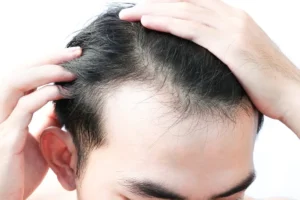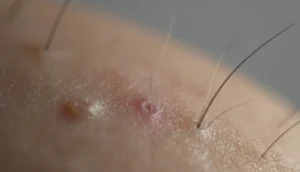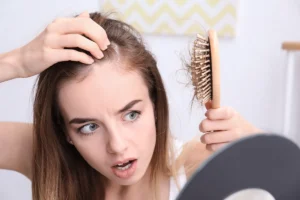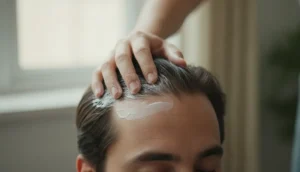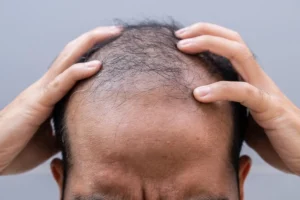
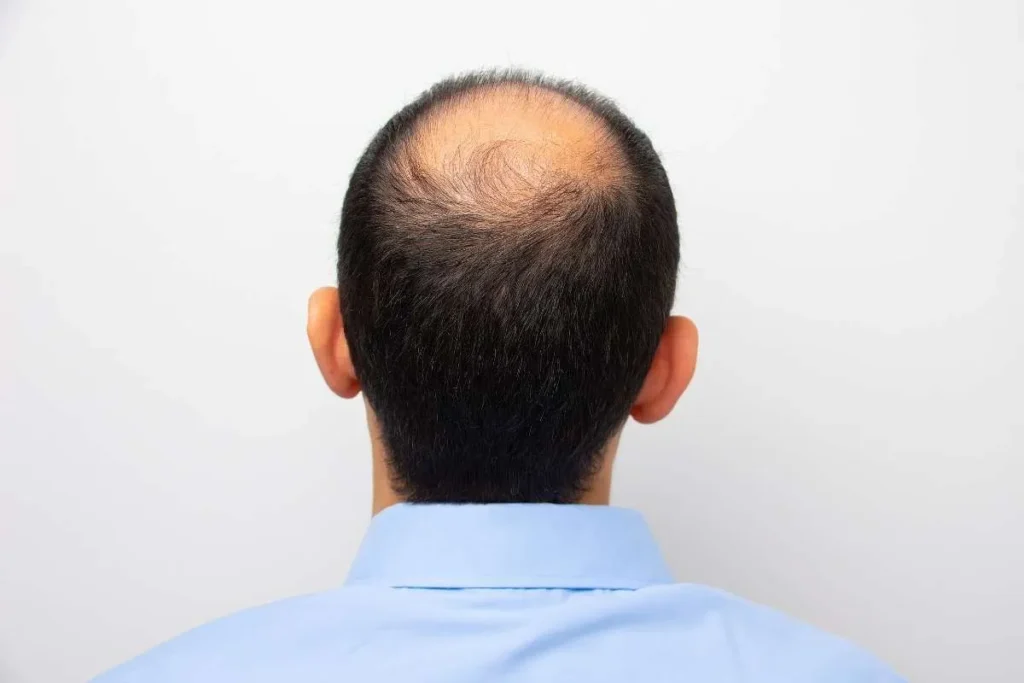
Are you tired of dealing with scalp itching that ruins your day? Scalp itch is a common problem, affecting almost half of us.
At Gold City Hair, we get how annoying itchy scalp can be. But, there’s good news. We’ve found seven natural ways to ease your scalp itch without using harsh chemicals.
Looking around your kitchen might just lead you to the solution. Ingredients like coconut oil and apple cider vinegar are simple yet effective. They can help calm your itchy scalp.
Key Takeaways
Scalp itching affects a significant portion of the population.
Natural home remedies can provide effective relief.
Common kitchen ingredients can be used to soothe an itchy scalp.
Personalized care is essential for treating scalp conditions.
Expert transparency helps in understanding the treatment options.
Understanding Scalp Itching and Dandruff
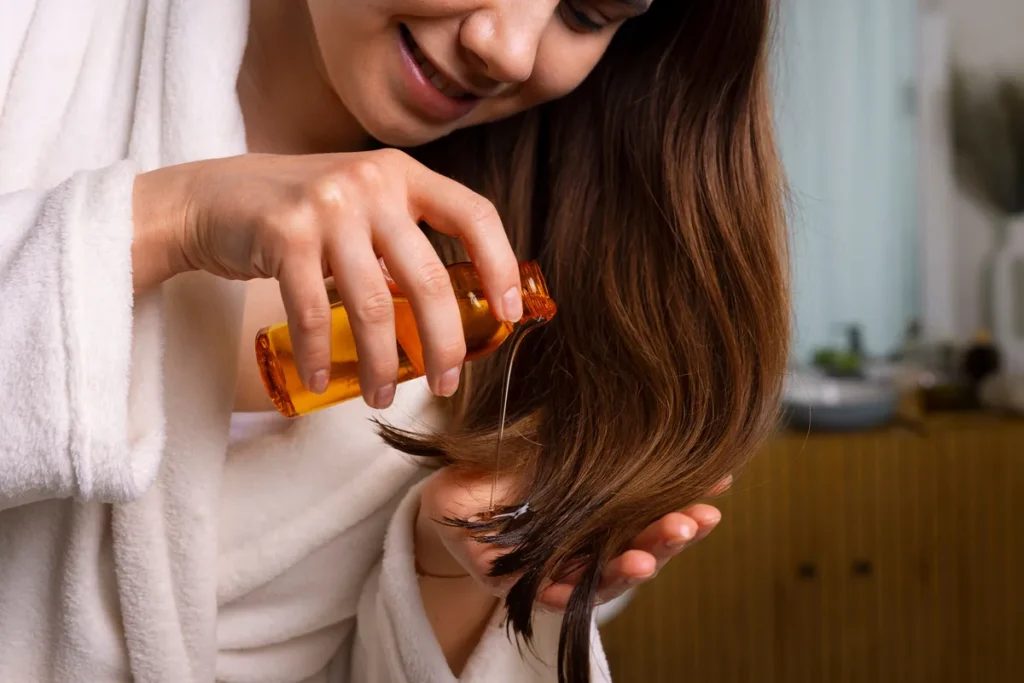
Scalp itching can be really annoying, often with dandruff too. Knowing what causes it is key to treating it. The scalp is very sensitive, and many things can make it itch and flake.
Why Your Scalp Itches: Common Causes
Many things can make your scalp itch, like a dry scalp and dandruff. A dry scalp feels tight and has small, white flakes. Dandruff makes bigger, yellowish flakes that feel oily.
Dry scalp happens from harsh shampoos, cold weather, or washing too much. It causes irritation and flakiness. Dandruff, on the other hand, is a fungal infection that makes oily flakes and itches.
The Post-Shampoo Itch Cycle
Many people get an itchy scalp after shampooing, known as the post-shampoo itch cycle. This is because shampooing takes away natural oils, making the scalp dry and irritated. Using a natural astringent for scalp can help balance the scalp’s pH and lessen itchiness.
To stop the post-shampoo itch cycle, use gentle, sulfate-free shampoos. Also, try home remedies for itchy scalp dandruff like apple cider vinegar or tea tree oil to soothe the scalp.
Understanding scalp itching and dandruff helps pick the right scalp itch relief treatments. This knowledge lets people manage their scalp health better and find good solutions.
Top Natural Home Remedies to Stop Scalp Itching
Change your scalp care with these natural remedies. Scalp itching is annoying and hard to stop. But, there are natural ways to help.
Apple Cider Vinegar: The Natural pH Balancer
Apple cider vinegar balances your scalp’s pH. This is key to fight yeast, which causes itching and dandruff. Mix it with water and apply before washing your hair.
Benefits: It balances pH, fights yeast, and stops itching.
Coconut Oil: Deep Moisturizing Treatment
Coconut oil deeply moisturizes and soothes an itchy scalp. It also fights fungal infections that itch.
Application: Rub coconut oil into your scalp and leave for an hour before washing.
Tea Tree Oil: Antifungal Solution
Tea tree oil fights fungal infections that itch. Use it diluted to avoid irritation.
Precautions: Always mix tea tree oil with a carrier oil. Do a patch test first.
Aloe Vera: Cooling Inflammation Relief
Aloe vera cools and soothes an itchy scalp. It reduces inflammation and calms irritated skin.
Usage: Apply aloe vera gel to the itchy spot. Leave for 30 minutes before rinsing.
These natural remedies help with scalp itching in many ways. They balance pH, moisturize deeply, and fight fungal infections. Adding these to your scalp care can help you feel better and keep your scalp healthy.
How to Stop Scalp Itching with Home Remedies: Application Tips
Using home remedies for scalp itching needs consistency. To get the best results, knowing how to apply them is key.
Creating Effective Treatment Schedules
Setting up a regular treatment plan is important. For example, using a medicated shampoo and then a non-medicated one can help. Alternate between medicated and non-medicated shampoos to keep your scalp healthy and prevent hair loss.
Experts say, “A regular routine keeps the scalp healthy and reduces itching.”
Combining Remedies for Enhanced Results
Using more than one remedy can work better than one alone. For instance, mixing tea tree oil for its antifungal properties with aloe vera for soothing can be helpful. But, always do a patch test to check for allergies.
Mix a few drops of tea tree oil with your shampoo to use its antifungal benefits.
Apply aloe vera gel directly to the scalp to soothe and reduce inflammation.
When to See a Doctor About Scalp Itching
Home remedies can help, but if itching doesn’t go away, see a doctor. If you have excessive hair loss, redness, or irritation, it’s time to get medical help. They can figure out what’s wrong and suggest the right treatment.
If your scalp itching keeps coming back, or if you see signs of infection, go see a doctor. Getting help early can stop problems and keep your scalp healthy.
Conclusion
Natural home remedies can help with scalp itching and dandruff. They make your scalp healthier. Using apple cider vinegar, coconut oil, tea tree oil, and aloe vera can solve itchiness and flakiness.
Mild dandruff usually goes away in 7 to 14 days with the right treatment. It’s key to stick to a treatment plan. This way, you get the best results from these home remedies.
Using these homemade treatments helps not just with itchiness but also keeps your scalp balanced. This lets you manage your scalp health better. So, what can you use for itchy scalp? These natural remedies are the answer.
With the right care and treatment, you can have lasting relief from scalp itching and dandruff. This helps you feel confident about your scalp health again.
FAQ
What are the most common causes of scalp itching
Dandruff, dry scalp, fungal infections, product buildup, allergies, and conditions like Seborrheic Dermatitis
How can I differentiate between dry scalp and dandruff
Dry scalp causes small, dry flakes with itchiness, while dandruff causes oily yellow flakes with redness
How does apple cider vinegar help with scalp itching
It helps balance scalp pH, reduce buildup, and has mild antimicrobial effects
Can coconut oil be used to treat scalp itching
Yes, it moisturizes dry scalp and reduces irritation, but may not help if the cause is fungal
Is tea tree oil effective against scalp itching caused by fungal infections
Yes, it has antifungal and antibacterial properties, helpful for dandruff-related itching
How often should I apply aloe vera to my scalp to reduce itching
Apply 2–3 times per week for soothing and hydration
Can I combine different home remedies for better results
Yes, but use cautiously to avoid irritation and test small areas first
When should I seek medical attention for scalp itching
If itching is severe, persistent, spreading, or with redness, swelling, or hair loss
Are there any lifestyle changes that can help reduce scalp itching
Maintain good hygiene, balanced diet, stress control, and avoid harsh hair products
How long does it take to see results from using natural home remedies for scalp itching
Mild cases may improve in 1–2 weeks, while persistent conditions may take longer or need medical treatment
References
National Center for Biotechnology Information. Evidence-Based Medical Insight. Retrieved from https://pubmed.ncbi.nlm.nih.gov/12353666/