Getting a healthy scalp is key to having great hair. Do you deal with dryness, itchiness, or irritation? Coconut oil is a natural solution backed by science that many people use for scalp health and hair vitality.
Studies have found that coconut oil moisturizes and feeds the scalp. It also boosts good bacteria for long-term scalp health. This can help reduce dandruff and inflammation. Coconut oil’s lauric acid gives it antimicrobial and anti-inflammatory benefits to soothe and protect the scalp.
Adding coconut oil to your hair care can help with dandruff, improve scalp moisture, and support hair growth. At Gold City Hair, we value natural care options backed by science. We want to help you take charge of your scalp health.
Key Takeaways
Coconut oil moisturizes and nourishes the scalp, promoting overall scalp health.
It enriches beneficial bacteria, supporting long-term scalp wellness.
Coconut oil’s antimicrobial properties can help manage dandruff and other scalp concerns.
Incorporating coconut oil into your hair care routine can improve scalp hydration.
It promotes a healthier environment for hair growth, reducing inflammation and irritation.
Is Coconut Oil Good for Scalp? The Science-Backed Benefits
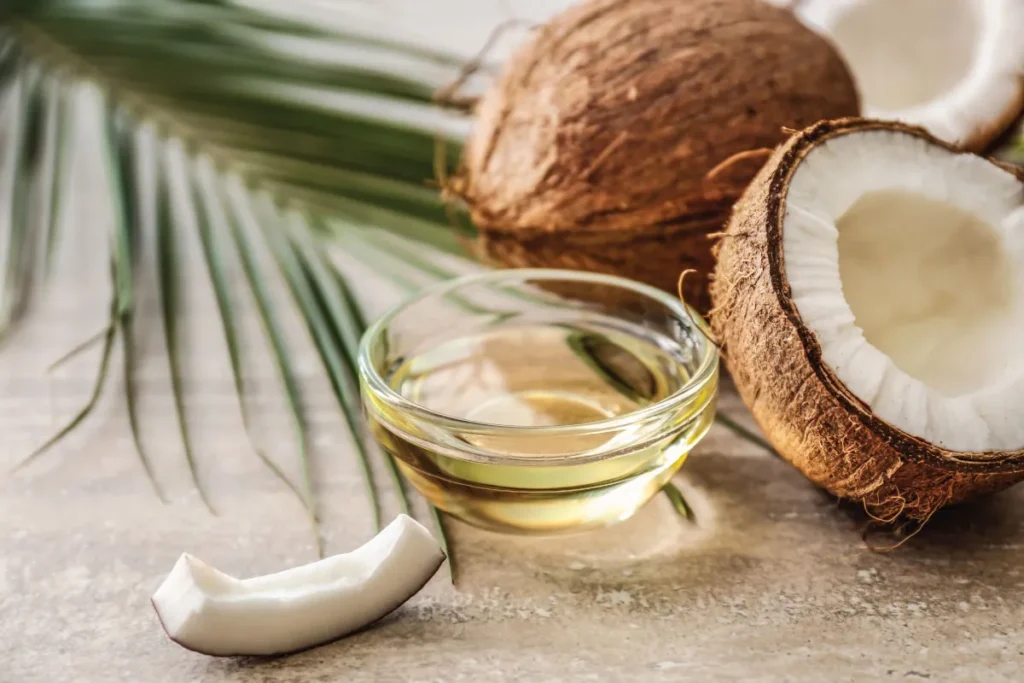
Coconut oil is great for your scalp, thanks to science. It’s full of benefits like fighting off bad microbes and keeping your scalp hydrated. This makes it a favorite among those who care about their hair.
The Power of Lauric Acid for Antimicrobial Protection
Coconut oil has lots of lauric acid, which fights off bad germs. Lauric acid is good at stopping bacteria, viruses, and fungi. This helps keep your scalp healthy and free from infections.
Scientific Evidence on Scalp Microbiome Enhancement
Studies show coconut oil makes your scalp microbiome better. A healthy scalp microbiome is key for strong hair and avoiding scalp problems. Research found coconut oil can cut hair breakage by 41.8% and keeps your scalp moist.
Vitamin E and Antioxidant Properties
Coconut oil also has vitamin E and antioxidants. These help reduce inflammation and keep your scalp healthy. Vitamin E protects your scalp from damage and helps your hair grow strong.
Knowing the science behind coconut oil’s benefits helps you use it wisely. It’s a top pick for anyone wanting a healthier scalp. Coconut oil’s special mix of nutrients and antioxidants makes it a great choice.
Effective Methods to Apply Coconut Oil for Scalp Treatment

Coconut oil can greatly improve scalp health when used right. It’s key to know how to apply it.
Pre-Wash Scalp Massage Technique
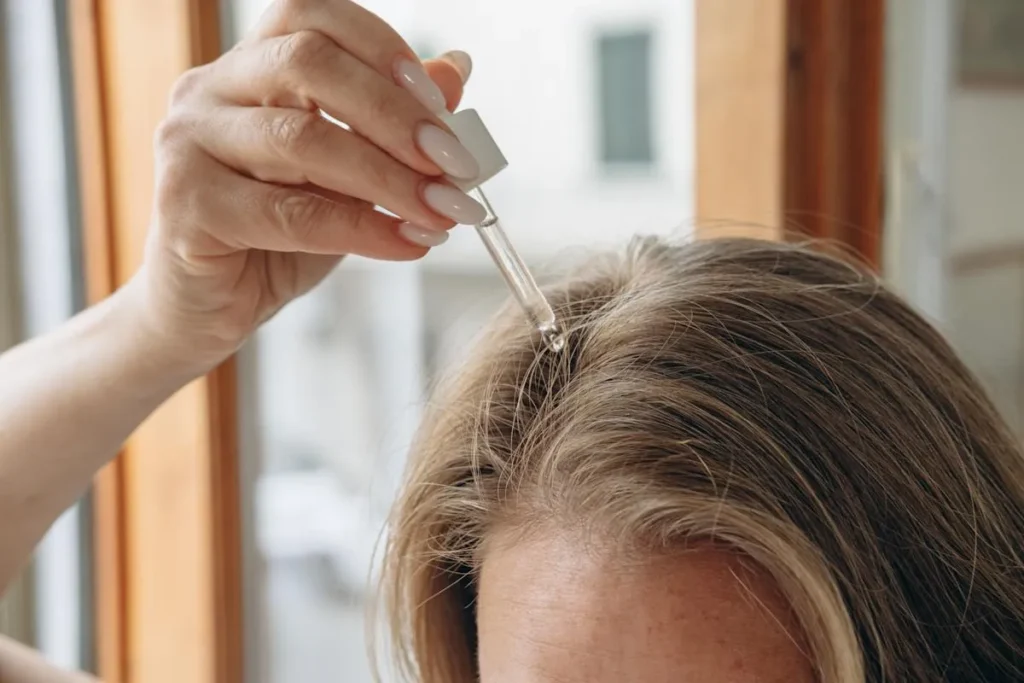
Using coconut oil before washing is a top choice. Warm it a bit to make it easier to spread. Then, massage it into your scalp in circular motions.
This method boosts blood flow and helps the oil reach deep into your scalp. It creates a healthy space for hair to grow.
Overnight Deep Conditioning Treatment
For a deeper treatment, try an overnight mask. Put a lot of coconut oil on your scalp and hair, then cover it with a cap.
Let it sit all night for deep conditioning. In the morning, wash it out with a soft shampoo for the best results.
Quick Scalp Moisturizing Application
Need a fast fix? A quick scalp moisturizer works well. Just put a little coconut oil on your scalp and rub it in.
This is great for keeping your scalp healthy between washes or as a quick boost.
Choosing the Right Type of Coconut Oil
It’s important to pick the right coconut oil. Go for virgin coconut oil for its vitamin E and antioxidants.
These nutrients help keep your scalp barrier strong and reduce inflammation. Virgin coconut oil is the best for scalp health.
Adding coconut oil to your scalp care routine can make a big difference. Use one or more of these methods to nourish your scalp and hair.
Addressing Specific Scalp Conditions with Coconut Oil
Coconut oil is a natural solution for many scalp problems. It fights off bacteria and reduces swelling. This makes it great for treating dandruff, dry scalp, psoriasis, and irritation.
Combating Dandruff and Dry Scalp
Dandruff and dry scalp can be tamed with coconut oil. The lauric acid in coconut oil fights off the fungus that causes dandruff. Using coconut oil regularly keeps your scalp healthy, reducing flakes and itchiness.
To fight dandruff and dry scalp, massage coconut oil into your scalp before washing. It nourishes your scalp and cuts down on flakes.
Relief for Scalp Psoriasis and Irritation
Coconut oil’s anti-inflammatory effects soothe scalp psoriasis and irritation. It reduces swelling, making it a natural cure for psoriasis.
Regular use of coconut oil cuts down scalp irritation. It’s key to use high-quality, virgin coconut oil for the best results.
Preventing Hair Breakage and Protein Loss
Coconut oil is good for your scalp and hair strength. It stops hair from breaking and losing protein. Coconut oil’s nourishing properties keep your hair healthy and strong.
To stop hair breakage, use coconut oil as a pre-wash treatment or leave-in conditioner. It locks in moisture, reducing breakage and improving hair health.
Conclusion
Adding coconut oil to your hair care can help with dandruff and keep your scalp moist. It also helps create a better environment for hair to grow. Coconut oil is a natural and effective way to improve scalp health, supported by science.
Coconut oil is packed with lauric acid, vitamin E, and antioxidants. These ingredients fight off microbes, reduce inflammation, and nourish your scalp. Using coconut oil can make your hair stronger and healthier. It’s a great choice for anyone looking to improve their scalp health.
Using coconut oil for hair care is easy and works well. Knowing how coconut oil benefits your scalp can help you use it to nourish and protect your hair. Coconut oil is a great addition to any hair care routine because of its many benefits.
FAQ
What are the benefits of using coconut oil for scalp health?
Coconut oil offers significant benefits for scalp health due to its unique molecular structure, which allows it to penetrate the skin and hair follicles more deeply than most other oils. It acts as a powerful emollient that repairs the skin barrier, helping to lock in moisture and prevent the tight feeling associated with a dry scalp. Furthermore, coconut oil contains antimicrobial properties that help balance the scalp’s microbiome, reducing the presence of harmful bacteria and fungi that can lead to itching and inflammation. Regular application can also soothe irritation caused by environmental factors, providing a calm environment for hair to grow.
How does lauric acid in coconut oil help with scalp health?
Lauric acid is the primary fatty acid found in coconut oil, and it is highly valued for its natural antibacterial, antiviral, and antifungal properties. On the scalp, lauric acid works to inhibit the overgrowth of microbes, specifically the yeast-like fungus that is often responsible for dandruff and seborrheic dermatitis. Because lauric acid has a low molecular weight and a straight linear chain, it is able to bypass the surface and deliver these protective benefits directly into the skin and hair shaft, providing a level of deep nourishment that many synthetic treatments cannot achieve.
What is the best way to apply coconut oil for scalp treatment?
The most effective way to apply coconut oil for a scalp treatment is to use it as a pre-wash mask on slightly damp or dry hair. You should melt a small amount of oil between your palms until it becomes a liquid and then use your fingertips to massage it directly into the scalp using firm, circular motions. This massage not only ensures even distribution of the oil but also stimulates blood flow to the area, which can promote healthier follicle activity. After letting it sit for 20 to 30 minutes, you should double-shampoo to ensure all oily residue is removed, preventing clogged pores.
Can coconut oil help with specific scalp conditions like dandruff and psoriasis?
Coconut oil can be an effective complementary treatment for dandruff and psoriasis because it addresses the underlying dryness and inflammation associated with these conditions. For dandruff, its antifungal properties target the fungi that cause flaking, while for psoriasis, its intense moisturizing capabilities help soften and loosen thick scales, making them easier to remove gently. However, while coconut oil provides significant symptomatic relief, it is not a cure-all; individuals with severe psoriasis or fungal infections should use it in conjunction with medicated treatments recommended by a dermatologist.
What type of coconut oil is best for scalp health?
For optimal scalp health, you should always choose organic, cold-pressed, unrefined coconut oil. The cold-pressing process ensures that the oil is extracted without high heat, which preserves the delicate phytonutrients, antioxidants, and the high lauric acid content that makes it so beneficial for the skin. Refined coconut oils are often treated with deodorizers and bleaches, which can strip away these healing properties and may leave behind chemical residues that could potentially irritate a sensitive or inflamed scalp.
How does coconut oil prevent hair breakage and protein loss?
Coconut oil is unique because it has a high affinity for hair proteins and a structure that allows it to penetrate the hair cortex. When applied, it fills the gaps in the hair shaft, which prevents the hair from absorbing too much water and swelling—a process known as hygral fatigue that weakens the hair over time. By reducing this swelling and reinforcing the internal protein structure, coconut oil makes the hair more resilient to the mechanical stress of combing and styling, significantly lowering the risk of breakage and split ends.
Can I use coconut oil as a leave-in product for scalp health?
Using coconut oil as a leave-in product for the scalp is generally not recommended, especially for those with oily or acne-prone skin. Because coconut oil is somewhat comedogenic, leaving it on the scalp for extended periods without washing can clog hair follicles and lead to scalp acne or folliculitis. While a tiny amount can be used as a leave-in for the very ends of the hair to manage frizz, the scalp is better served by using the oil as a targeted treatment that is thoroughly washed out to maintain a clean, breathable skin environment.
References
National Center for Biotechnology Information. Evidence-Based Medical Insight. Retrieved from https://pmc.ncbi.nlm.nih.gov/articles/PMC8012655/