
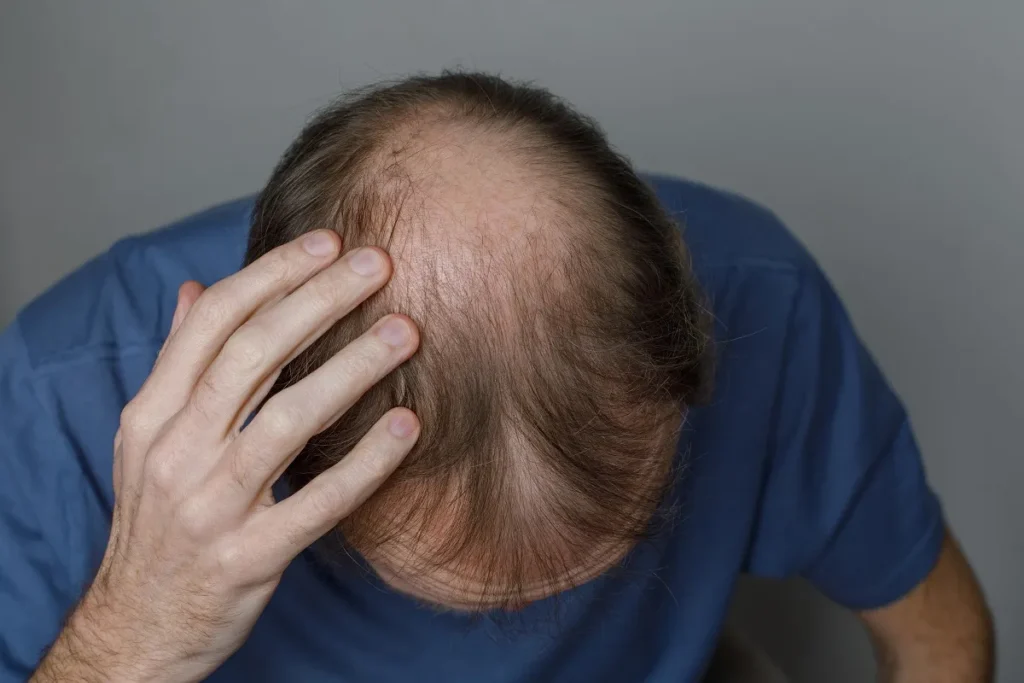
If you’re taking gabapentin for pain or seizures, you might worry about hair loss. While it’s rare, some people have experienced hair loss due to gabapentin.
It’s important to know if gabapentin can cause hair loss. This article will cover the link between gabapentin and hair loss. We’ll look at how common it is, what it looks like, and how to deal with it.
We’ll dive into the research and clinical data. This will help us understand the risks and benefits of gabapentin. We’ll also offer advice for those dealing with hair loss.
Key Takeaways
Gabapentin is linked to hair loss in rare cases.
Hair loss associated with gabapentin is considered a rare side effect.
Understanding the incidence and characteristics of hair loss is key.
Management strategies for hair loss associated with gabapentin will be discussed.
The relationship between gabapentin and other related medications like pregabalin and lyrica will be examined.
Understanding Gabapentin and Its Uses
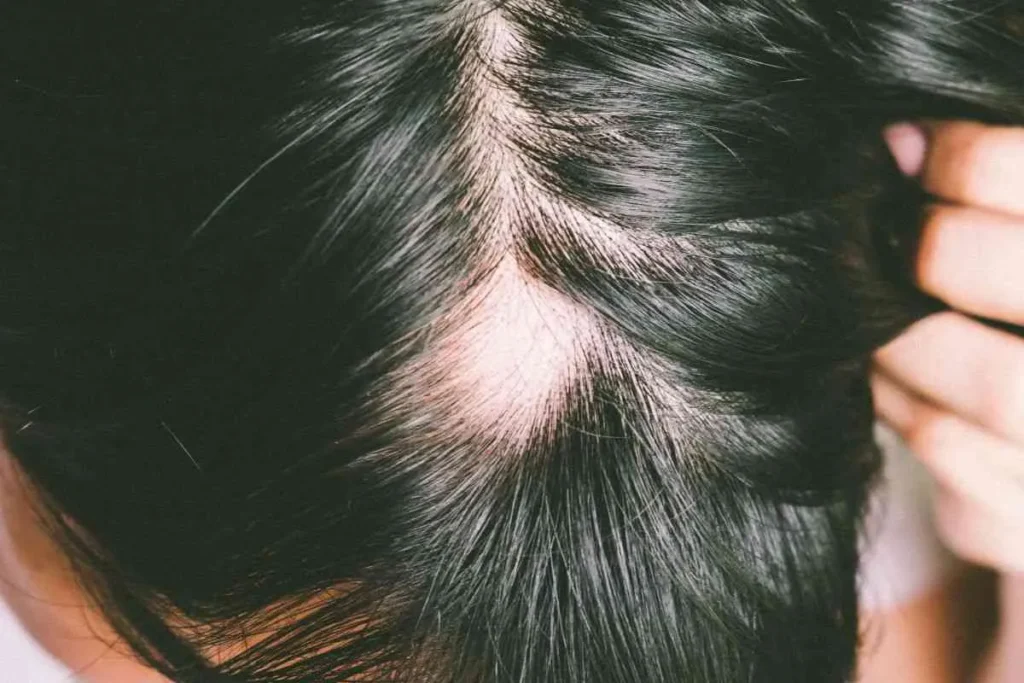
Gabapentin is known for its many uses. It helps manage epilepsy and neuropathic pain. It works by changing how calcium channels work in the brain.
What Is Gabapentin?
Gabapentin is a medication for epilepsy and neuropathic pain. It changes how nerves talk to your brain. Knowing how it works helps us understand its effects and side effects.
Common Medical Applications
Gabapentin is used for several things:
Epilepsy: To control seizures.
Neuropathic Pain: To ease pain from nerve damage.
Other Off-Label Uses: Like treating anxiety, insomnia, and restless legs syndrome.
It’s effective in managing seizures and pain, making it a good treatment.
General Side Effect Profile
Gabapentin is usually safe but can have side effects. Common ones are dizziness, tiredness, and weight gain. Knowing these side effects helps in caring for patients.
Understanding Gabapentin’s uses and side effects helps doctors. They can see how it might affect patients, including hair loss.
Can Gabapentin Cause Hair Loss?
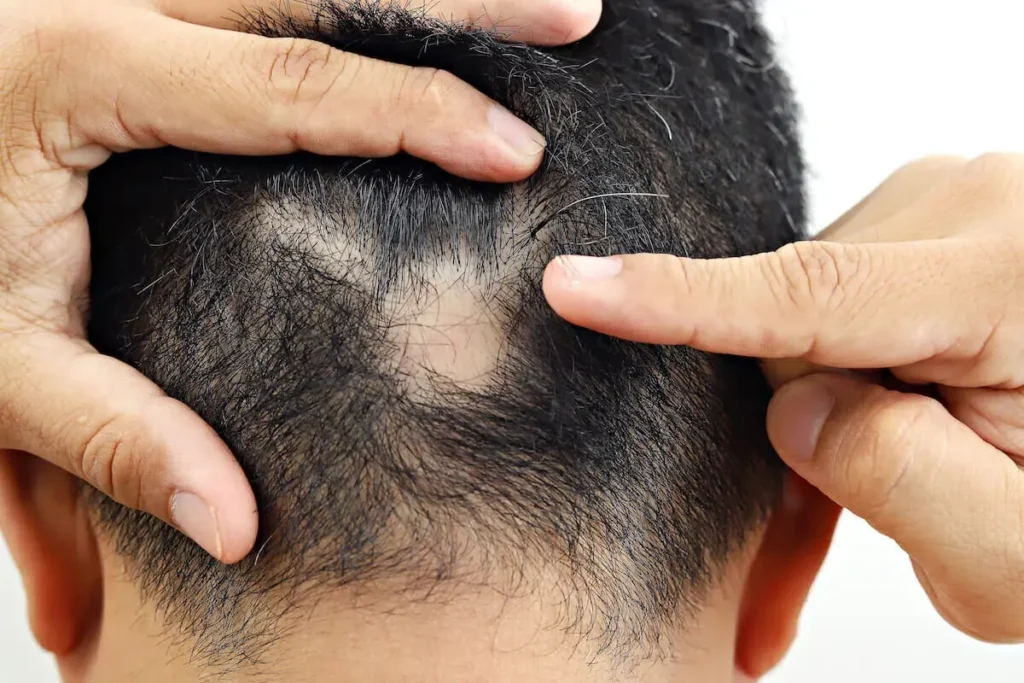
Gabapentin is a drug used for epilepsy and nerve pain. It can cause hair loss, which is important for both patients and doctors to know. This knowledge helps in making the right treatment choices.
FDA Prescribing Information on Hair Disorders
The FDA says hair loss is a rare side effect of Gabapentin. Less than 1% of patients experience hair disorders. This is key for those thinking about taking Gabapentin and worried about hair loss.
Research Data from the Uppsala Monitoring Center
The Uppsala Monitoring Center has collected data on drug side effects. They found that hair loss, though rare, is a side effect of Gabapentin. It’s often called “telogen effluvium” or other hair disorders.
Documented Case Studies (2009-2011)
Between 2009 and 2011, there were documented cases of hair loss from Gabapentin. These cases were mostly telogen effluvium, where a lot of hair falls out. These stories show Gabapentin can lead to hair loss in some.
Comparison with Similar Medications (Pregabalin/Lyrica)
Studies also show that Pregabalin (Lyrica) can cause hair loss. Both Gabapentin and Pregabalin treat similar conditions. Knowing this helps in picking the best treatment with fewer side effects.
In summary, hair loss from Gabapentin is rare but a concern for some. By knowing about this side effect, patients can make better choices about their treatment.
Gabapentin can cause hair loss in some patients.
The incidence of hair loss is considered rare, less than 1%.
Research and case studies support the association between Gabapentin and hair loss.
Similar medications like Pregabalin (Lyrica) also have hair loss as a possible side effect.
Recognizing and Managing Gabapentin-Related Hair Loss
For those taking Gabapentin, spotting hair loss signs is key. Hair loss from Gabapentin often shows as Telogen Effluvium. This is when you shed a lot of hair.
Telogen Effluvium: The Typical Pattern
Telogen Effluvium happens when stress from Gabapentin causes hair loss. It usually starts a few months after starting the drug. Thankfully, it often goes away when you stop taking Gabapentin.
Timeline and Progression of Hair Loss
How long it takes for hair loss to show up can differ. Most people notice more hair falling out a few months after starting Gabapentin.
When to Consult Your Healthcare Provider
Seeing a lot of hair loss while on Gabapentin? You should talk to your doctor. They can figure out why you’re losing hair and suggest ways to stop it.
Treatment Options and Alternative Medications
Stopping Gabapentin often fixes hair loss. But, you might need other treatments or changes to your medication. Knowing your options is important for managing hair loss from Gabapentin.
Controlling hair loss from Gabapentin needs a full plan. This includes knowing the signs, understanding how long it lasts, and finding ways to manage it with your doctor.
Conclusion
Gabapentin is used to treat epilepsy and pain. But, it can cause hair loss in some people. It’s important for doctors and patients to know about this side effect.
Recognizing hair loss signs is the first step. Knowing how to manage it helps. This way, people can make better choices about their treatment.
If Gabapentin causes hair loss, looking into other treatments is a good idea. A team effort with doctors is key. This helps regain confidence and deal with hair loss issues.
Dealing with Gabapentin side effects needs a proactive approach. Knowing the risks and how to avoid them is important. This ensures the best results.
FAQ
Does gabapentin cause hair loss?
Gabapentin is an anticonvulsant where hair loss is considered an infrequent but documented side effect. It typically triggers temporary thinning in a small percentage of users, which usually becomes noticeable several months after beginning the treatment.
What are the characteristics of gabapentin-related hair loss?
The loss usually presents as diffuse thinning across the entire scalp rather than localized bald spots. This is a form of Telogen Effluvium, where the medication shifts more hairs into the shedding phase at the same time.
Is hair loss from gabapentin permanent?
No, the hair loss is typically reversible. Once the medication is discontinued or the body stabilizes, the follicles generally resume their normal growth cycle, though it can take six months or longer for the density to fully return.
Can pregabalin (Lyrica) cause hair loss?
Yes, pregabalin is chemically similar to gabapentin and can also cause rare instances of hair thinning. Like gabapentin, this side effect is infrequent and usually resolves once the medication is stopped.
What should I do if I’m experiencing hair loss while taking gabapentin?
You should consult your doctor to rule out other causes, such as iron or thyroid deficiencies, before making any changes. Never stop taking gabapentin abruptly, as your physician will need to help you taper off safely to avoid withdrawal symptoms.
Are there any alternative medications to gabapentin that don’t cause hair loss?
Alternatives like duloxetine or certain topical nerve pain creams may have a lower risk of systemic side effects like hair loss. However, the best alternative depends on the specific condition being treated and should be decided by a specialist.
Does baclofen cause hair loss?
Baclofen is a muscle relaxant that is very rarely associated with hair loss. It is generally considered a “hair-safe” option compared to many anticonvulsants used for similar chronic pain conditions.
Can nortriptyline cause hair loss?
Nortriptyline, a tricyclic antidepressant, is known to cause hair loss in very rare cases. While it is a possible side effect, it occurs in a very small fraction of the population and is usually temporary.
References
National Center for Biotechnology Information. Evidence-Based Medical Insight. Retrieved from https://pubmed.ncbi.nlm.nih.gov/19596266/





