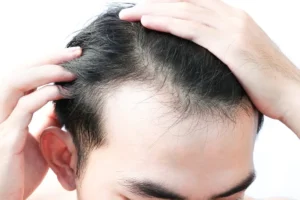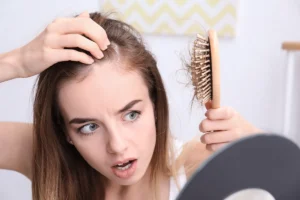
Knowing how folliculitis progresses is key to knowing when to see a doctor. Folliculitis is a common skin issue where hair follicles get infected or inflamed. This usually happens because of bacteria, viruses, or fungi. Track folliculitis healing stages for a big recovery. Learn the amazing signs that your skin is mending and how to speed up the process.
Spotting the healing stages of folliculitis helps patients get the right care. At Gold City Hair, we stress the need to catch folliculitis early. This way, we can offer top-notch medical results.
Key Takeaways
Understanding folliculitis progression is key to proper treatment.
Folliculitis can be caused by bacterial, viral, or fungal infections.
Early identification of healing stages supports effective care interventions.
Recognizing the distinct stages of folliculitis is important for patient care.
Professional medical attention is needed for serious cases.
Understanding Folliculitis: Causes and Types
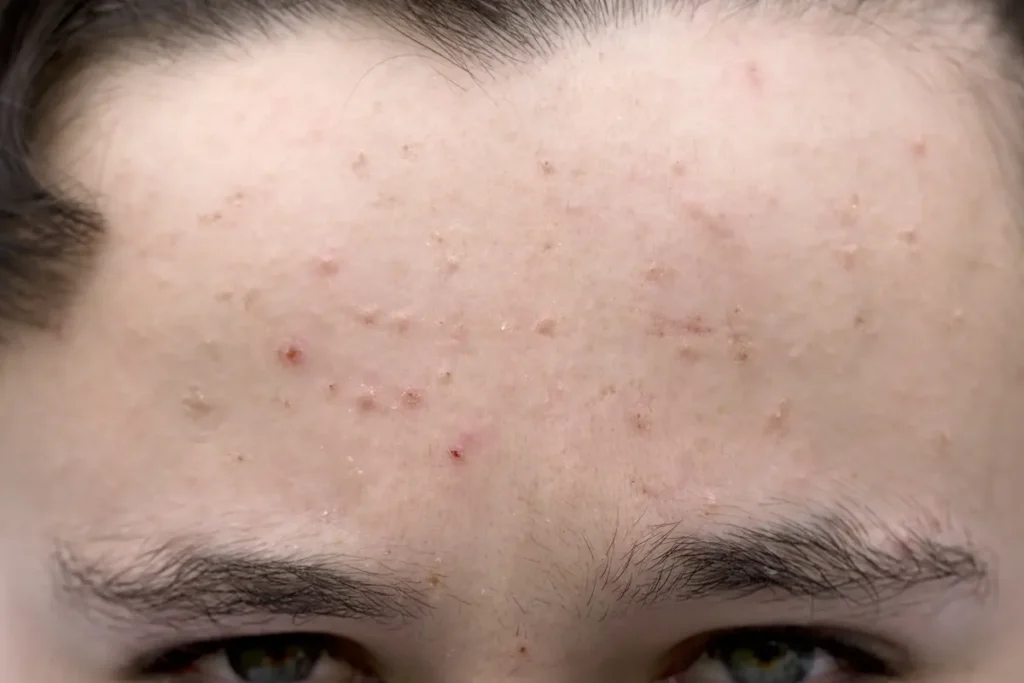
Folliculitis is when hair follicles get inflamed. It’s caused by many things, so finding the main cause is key. This condition is more than just a skin issue; it’s about how our body reacts to infections.
Bacterial, Fungal, and Other Causes
Folliculitis can come from bacteria, fungi, or other germs. Staphylococcus aureus is often the culprit in bacterial cases. On the other hand, Malassezia causes fungal folliculitis, also known as pityrosporum folliculitis. Knowing the cause helps pick the right treatment.
Other things can also lead to folliculitis. These include physical harm, some medicines, and health issues that weaken the immune system.
Common Locations and Risk Factors
Folliculitis can pop up anywhere hair grows, like the scalp, face, armpits, and groin. Places that sweat a lot and get rubbed a lot are more likely to get it. Poor hygiene, cuts on the skin, and tight clothes are also risk factors.
People with weak immune systems or health problems are more likely to get folliculitis. Knowing these risks helps prevent it.
By understanding folliculitis’s causes, types, and risks, we can take steps to avoid it. We can also find the right treatment when we need it.
Folliculitis Healing Stages: A Complete Timeline
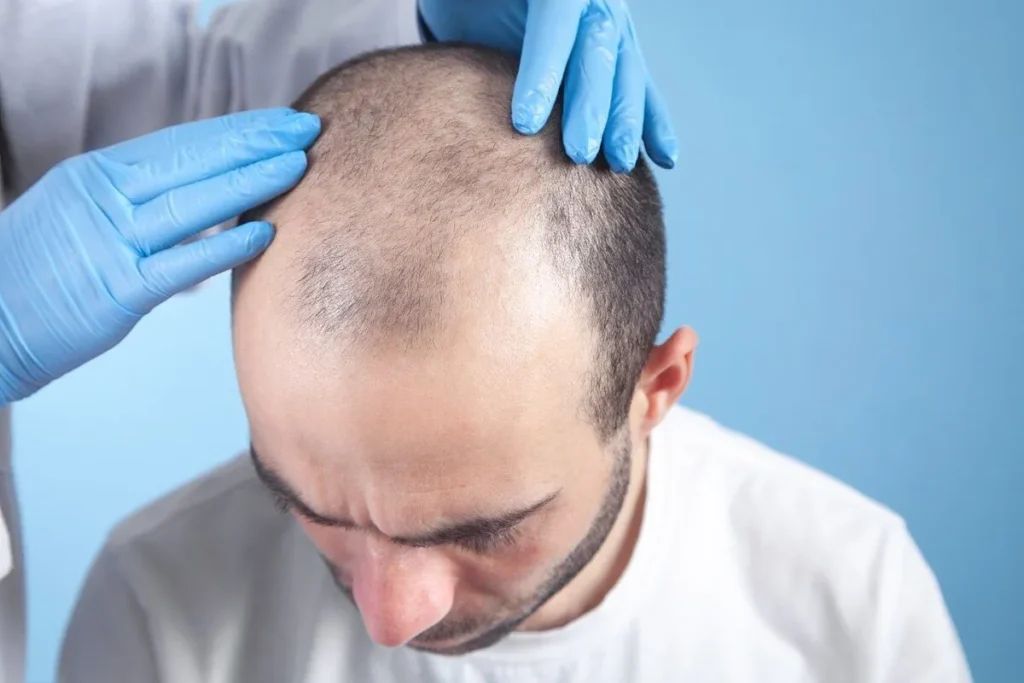
Knowing the healing stages of folliculitis is key to managing it well. Folliculitis is an inflammatory condition that affects hair follicles. It goes through several stages before it heals.
Initial Stage: Redness and Inflammation
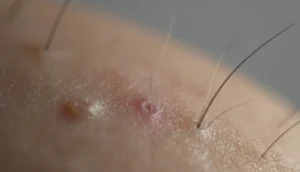
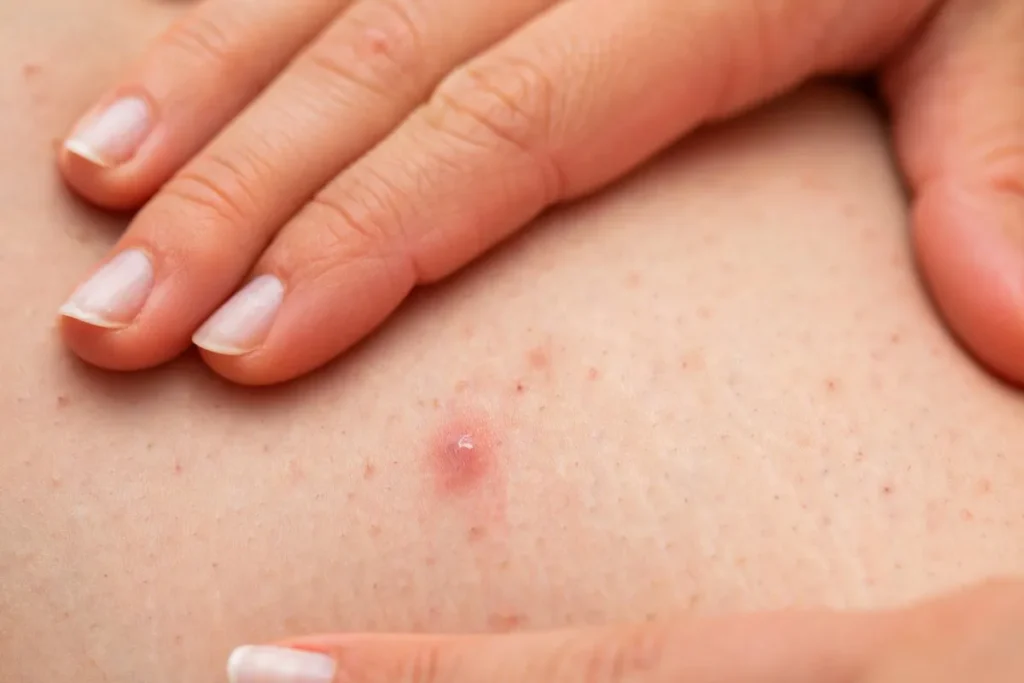
The first stage of folliculitis shows redness and inflammation around the hair follicle. You might feel itching, tenderness, and warmth. Quick self-care can ease symptoms in this stage. Mild cases often start to get better in a few days.
Development Stage: Pustules and Spreading
In the development stage, pustules may appear. These can be painful and spread if not managed. Avoid scratching or picking to prevent more irritation and infection.
Crusting Stage: Scabs and Drainage
Scabs form and there might be drainage in the crusting stage. This shows the body is fighting the infection. Keeping it clean and using topical treatments can help it heal.
Resolution Stage: Healing and Skin Repair
In the final stage, the inflammation goes down, and the skin starts to repair. Healing time varies by severity; mild cases heal in 7 to 10 days. More severe cases take longer.
Knowing these stages helps track progress and when to see a doctor. For severe or ongoing cases, getting medical help is wise. It prevents complications and ensures the right treatment.
Treatment Options and When to Seek Medical Help
Knowing when to take care of yourself and when to see a doctor is key when dealing with folliculitis. This condition affects hair follicles and can be mild or severe. It’s important to know how to treat it to avoid complications.
Self-Care for Mild Folliculitis
For mild cases, self-care can help. Keep the area clean and use warm compresses to ease symptoms. Avoid shaving and irritating the area. Topical creams and ointments with antibacterial or antifungal agents can also help.
An infected eyebrow hair follicle can be treated with mild soap and antibacterial ointment. Be gentle to avoid more irritation.
Treatment for Severe or Persistent Cases
Severe or persistent cases need medical help. Oral antibiotics or antifungal meds may be needed. If an abscess hair follicle forms, drainage might be required. Always follow a doctor’s advice for the best treatment.
Warning Signs of Complications
Watch for signs that mean you need to see a doctor right away. Look for increased redness, swelling, or pus; fever; and symptoms that don’t get better. If a popped hair follicle gets infected or doesn’t heal, get medical help.
Controlling folliculitis means understanding it and using the right treatment. Whether it’s self-care or medical help, treating it well can bring back comfort and confidence.
Conclusion
Understanding the healing stages of folliculitis is key to treating and preventing it. This is true for cases like folliculitis in eyebrow hair follicles or infections. Knowing the causes, types, and how it progresses helps people manage symptoms and avoid worse problems.
Keeping clean and avoiding things that irritate the skin can help prevent folliculitis. It’s important to watch for signs of complications and get medical help if needed.
By focusing on hair health, people can feel better and have a healthier scalp. With the right treatment, overcoming folliculitis is possible. This leads to a fuller, healthier head of hair.
FAQ
What are the stages of folliculitis healing?
It starts with red or itchy bumps, may form small pus-filled pimples, then dries and crusts, and finally heals without pain. Mild cases usually resolve without marks.
How long does it take for folliculitis to heal?
Mild folliculitis heals in about 7–14 days. Severe or deep infections may take several weeks with treatment.
What are the symptoms of an infected hair follicle?
Redness, swelling, pus-filled bumps, pain, warmth, itching, and sometimes drainage. It is often caused by bacteria like Staphylococcus aureus.
Can I treat folliculitis at home?
Yes, mild cases improve with warm compresses, antibacterial washes, avoiding shaving, and keeping the area clean and dry.
What are the warning signs of complications from folliculitis?
Increasing pain, spreading redness, large boils, fever, swollen lymph nodes, or no improvement after 1–2 weeks.
How can I prevent folliculitis?
Maintain good hygiene, avoid tight clothing, shower after sweating, use clean razors, and avoid sharing personal items.
Can folliculitis lead to scarring?
Yes, deep or repeated infections can cause dark spots or permanent scars.
Is folliculitis contagious?
Mild cases are usually not contagious, but bacterial folliculitis can spread through direct contact or shared items.
References
National Center for Biotechnology Information. Evidence-Based Medical Insight. Retrieved from https://www.ncbi.nlm.nih.gov/books/NBK547754/