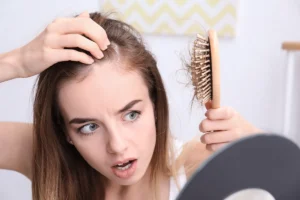
Hair loss and scalp conditions are a big worry for millions around the world. They affect not just how we look but also our overall health.
Understand hair diseases and disorders with this big warning guide. Learn about scary conditions and incredible treatments for a healthy scalp.
Recent studies show that about 85% of men and 33% of women will face hair loss at some point. This shows how common hair follicle disorders are.
Hair ailments can really affect a person’s self-esteem and life quality. Issues like androgenetic alopecia, alopecia areata, and scalp infections are complex diseases of hair and hair follicles. They need expert diagnosis and treatment plans that fit each person.
Key Takeaways
Understanding the causes of common hair diseases and disorders
Exploring cutting-edge treatment options for hair loss
The importance of expert diagnosis for effective treatment
Personalized care for unique hair conditions
Regaining confidence through effective hair restoration
The Impact of Hair Conditions on Health
It’s important to know how hair conditions affect our health today. Hair diseases and disorders can really change someone’s life. They can affect how we feel physically and emotionally.
Hair loss and scalp problems are more than just looks. They can show signs of deeper health issues. Things like genetics, hormones, diet, and environment play a part in these problems.
Global Prevalence Statistics
Many people worldwide face hair issues. About 50% of men and women lose hair by 50. Alopecia areata, a condition causing hair loss, affects 2% of people globally.
The number of people with hair diseases varies. It depends on genetics, lifestyle, and where you live. Knowing these numbers helps us find better treatments.
Common Underlying Causes
Hair diseases often come from a mix of factors. Genetics and hormones, like androgens, are big players in hair loss. Hormonal changes can lead to hair falling out.
Lack of nutrients like iron, zinc, and biotin can harm hair. Medical conditions and some medicines can also cause hair problems.
Fixing these causes is key to treating hair conditions. Doctors can create plans to help people get their hair back. This way, they can feel better about themselves again.
Understanding Hair Diseases and Disorders
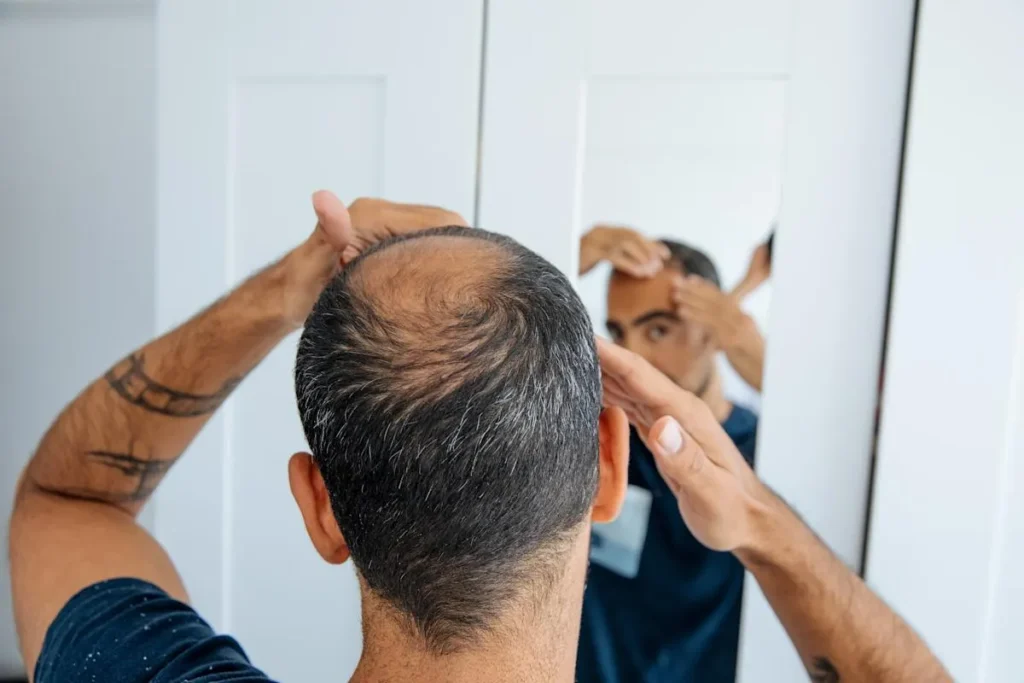
It’s important to know about hair diseases and disorders to find the right treatment. Hair health is key to our overall well-being. Disorders can greatly affect our quality of life.
Androgenetic Alopecia (Pattern Hair Loss)
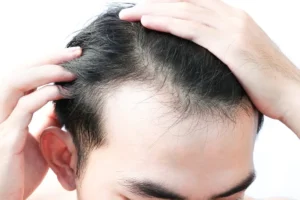
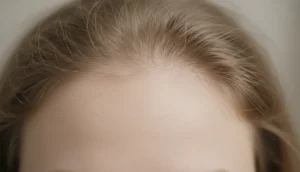
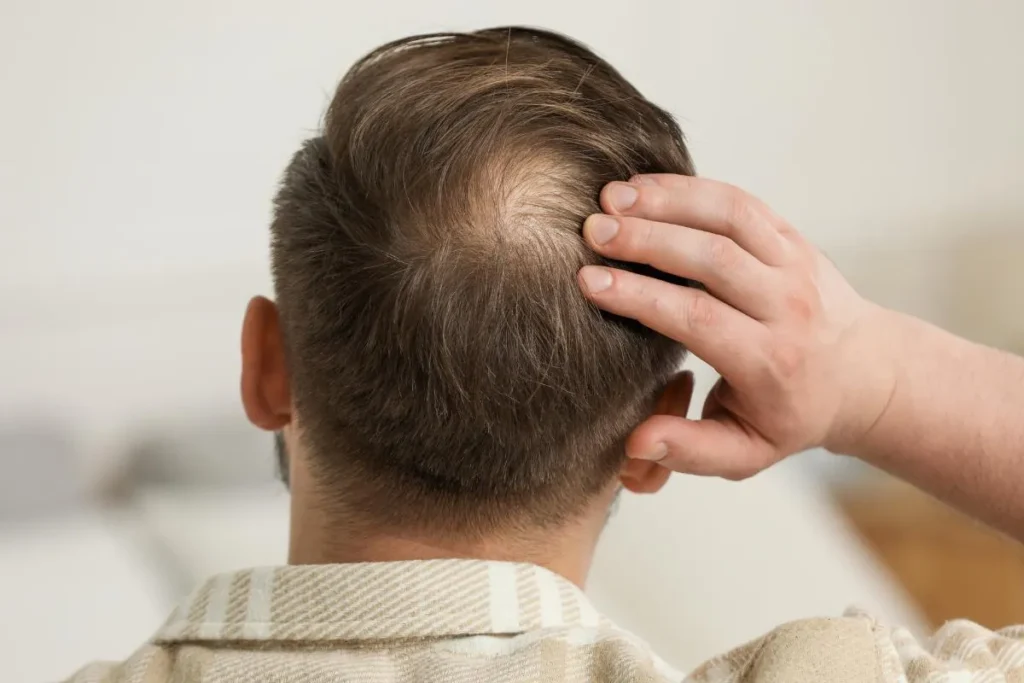
Androgenetic alopecia, or pattern hair loss, is caused by hormones and genetics. It makes hair thin and fall out. Both men and women get it, but it looks different for each.
Symptoms: Hair gets thinner, mainly on the top and crown of the head.
Regaining confidence starts with knowing the treatments. These include medicines that slow hair loss and help it grow back.
Alopecia Areata
Alopecia areata is an autoimmune disease that causes patchy hair loss. It happens on the scalp or other parts of the body. The immune system attacks the hair follicles by mistake.
Treatment Options: Corticosteroids, minoxidil, and sometimes immunotherapy are used. They help the immune system not attack the hair follicles.
Telogen Effluvium
Telogen effluvium makes hair fall out more than usual. It happens after big stresses, like being very sick or going through surgery. More hairs than normal enter the telogen phase of growth.
Management: It focuses on fixing the cause. Treatments aim to reduce stress and help hair grow back.
Knowing about hair diseases and disorders is the first step to finding treatments. With modern techniques and personalized care, people can feel confident again. They can reach their hair restoration goals.
Additional Common Hair Follicle Disorders
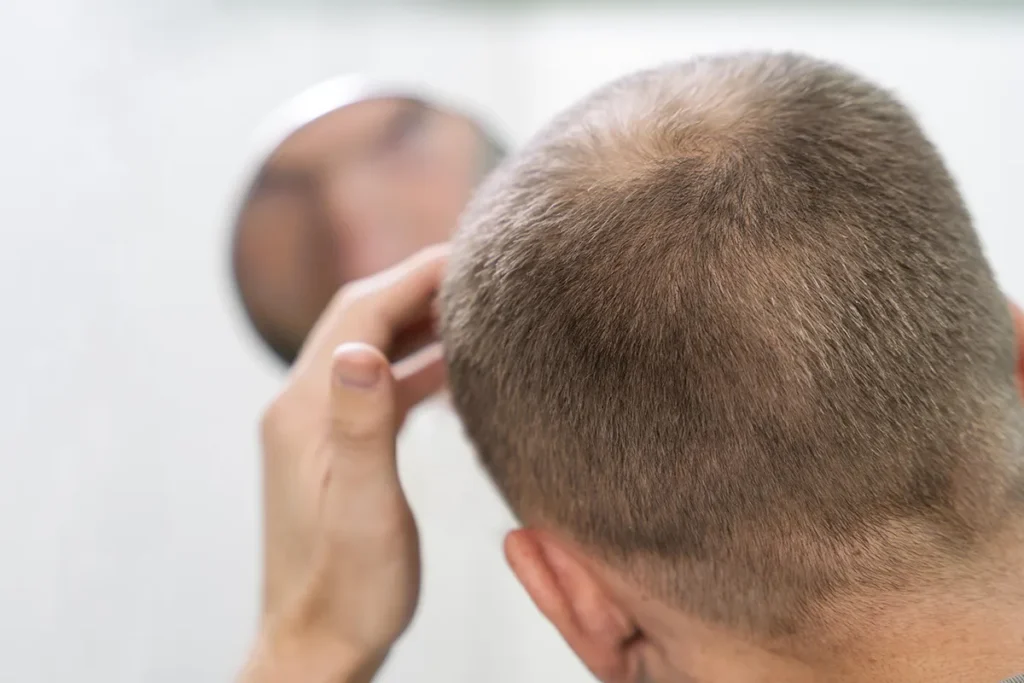
Hair follicle disorders include many conditions that are not often talked about but are very important. These issues can make hair health worse, causing discomfort and affecting how we look. It’s key to know the causes, symptoms, and treatments to manage these conditions well.
Seborrheic Dermatitis
Seborrheic dermatitis mainly hits the scalp, leading to scaly patches, red skin, and stubborn dandruff. It’s caused by genetics, environment, and hormones. Treatment options include medicated shampoos, creams, and lifestyle changes to control symptoms and prevent flare-ups.
Tinea Capitis (Scalp Ringworm)
Tinea capitis, or scalp ringworm, is a fungal infection that hits the scalp’s hair follicles. It’s more common in kids and can cause hair loss, scaling, and redness. Antifungal medications are used to treat it, and sometimes oral antifungals are needed for severe cases.
Folliculitis
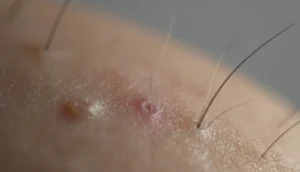
Folliculitis is an inflammatory condition that affects the hair follicles, often due to bacterial or fungal infections. It leads to red bumps, itching, and pus-filled lesions around the follicles. Treatment involves addressing the cause, which may include topical or oral antibiotics, antifungals, or anti-inflammatory meds.
Scalp Psoriasis
Scalp psoriasis is an autoimmune condition that makes skin cells grow too fast on the scalp. This causes thick, silvery scales and dry, itchy patches. Treatment options include topical corticosteroids, medicated shampoos, light therapy, and systemic medications for severe cases.
Understanding these hair follicle disorders is the first step towards effective management and treatment. By recognizing the causes and symptoms, individuals can seek appropriate care and regain confidence in their hair health.
Conclusion
It’s important to understand and tackle hair diseases and disorders. They can harm your scalp and affect your hair health. These issues can make you feel sad and lower your self-confidence.
Getting the right diagnosis and treatment is key. It stops more hair loss and helps your hair grow back. With expert care and new methods, you can feel better and reach your hair goals.
Hair restoration experts offer personalized care that works. They help you overcome hair disease and get a fuller, healthier hair. By focusing on hair health and the right treatment, you can see lasting results and feel more confident.
FAQ
What are the most common hair diseases and disorders?
Common hair disorders include androgenetic alopecia (pattern hair loss), telogen effluvium, alopecia areata, frontal fibrosing alopecia, scalp infections, dandruff, and trichotillomania.
What causes hair diseases and disorders?
Causes vary and can include genetics, hormonal imbalances, autoimmune conditions, stress, nutritional deficiencies, infections, and scalp trauma.
How are hair diseases and disorders diagnosed?
Diagnosis is made through scalp and hair examination, patient history, hair pull tests, blood tests, and sometimes scalp biopsy to identify the underlying cause.
What are the treatment options for hair diseases and disorders?
Treatments depend on the condition and may include topical or oral medications, nutritional supplements, PRP therapy, low-level laser therapy, hair transplants, and lifestyle modifications.
Can hair diseases and disorders be prevented?
Some can be prevented by maintaining a healthy diet, managing stress, practicing gentle hair care, avoiding harsh chemicals, and treating underlying medical conditions promptly.
How can I promote healthy hair growth?
Healthy hair growth can be supported by balanced nutrition, proper hydration, scalp care, avoiding excessive heat or chemicals, and using growth-stimulating treatments when needed.
Are hair diseases and disorders related to overall health?
Yes, hair health often reflects hormonal balance, nutrition, immune function, and general health, so changes in hair can indicate underlying health issues.
Can hair restoration procedures treat hair diseases and disorders?
Hair restoration procedures like FUE or FUT transplants mainly address permanent hair loss, but they do not treat active scalp diseases or prevent underlying causes. They are most effective once the condition is stabilized.
References
National Center for Biotechnology Information. Evidence-Based Medical Insight. Retrieved from https://pubmed.ncbi.nlm.nih.gov/24566563/