
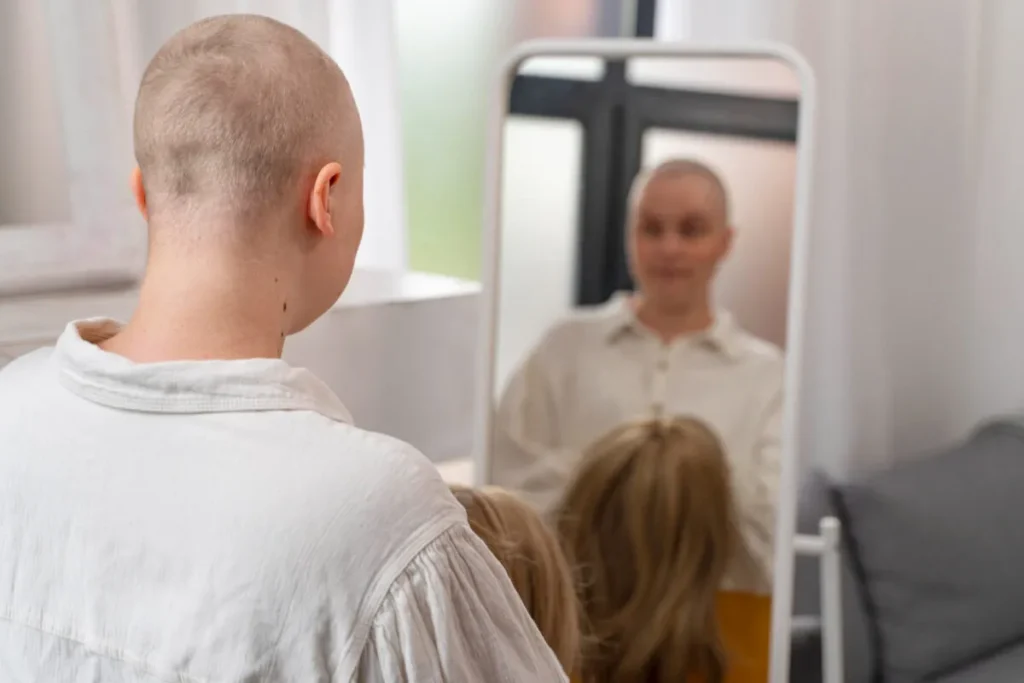
Cancer treatment is tough, and hair loss is a big worry for many. About 65 percent of people getting chemotherapy lose their hair. But, the link between chemo and hair loss is not that simple.
Not every chemo treatment leads to hair loss. How likely you are to lose your hair depends on the chemo type and dose. The American Cancer Society says high- to moderate-dose I.V. drugs given every three weeks are more likely to cause hair loss.
Knowing what might happen to your hair during cancer treatment can help. It lets patients get ready mentally and physically. By understanding what’s ahead, patients can make better choices about their treatment.
Key Takeaways
Chemotherapy-induced hair loss affects a significant number of cancer patients.
The likelihood of hair loss depends on the type and dosage of chemotherapy.
Not all chemotherapy treatments cause hair loss.
High- to moderate-dose I.V. chemotherapy drugs are more likely to result in hair loss.
Understanding the potential for hair loss can help patients prepare for their treatment.
The Reality of Thinning Hair Chemotherapy Side Effects
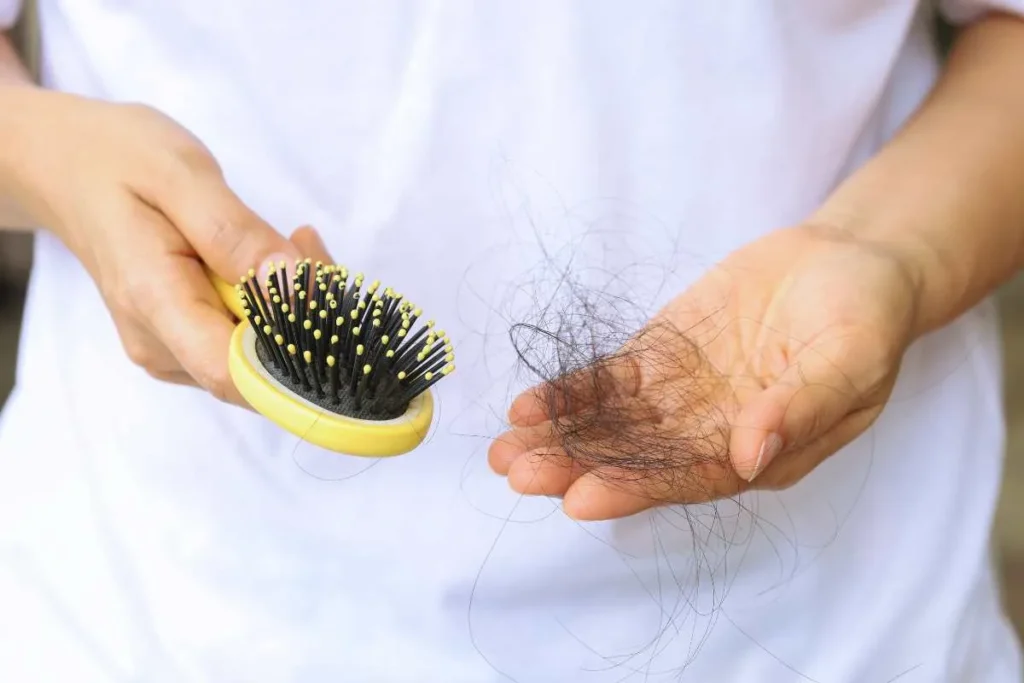
Chemotherapy can cause hair loss, known as alopecia. This side effect can affect not just the scalp but other body parts too. It’s important for patients to understand this before starting treatment.
Hair loss during cancer treatment can deeply affect a patient’s mind. It can change how they see themselves and how others see them. Hair loss can be a visible reminder of the illness, making it a big worry for many.
The Psychological Impact of Hair Loss During Cancer Treatment
Hair loss can deeply affect a person’s mind. It’s not just about looks; hair is tied to one’s identity and self. The emotional pain from hair loss can be as tough as the physical side effects of chemotherapy.
Support from doctors, family, and friends is key in dealing with hair loss. Counseling and support groups offer a place for patients to share and find comfort with others facing similar issues.
Statistics: How Common Is Chemotherapy-Induced Hair Loss?
Hair loss from chemotherapy is common but varies. It depends on the chemotherapy drugs, dosage, and patient characteristics. Studies show that 99.9 percent of breast cancer patients on anthracycline or taxane-based chemotherapy lose scalp hair.
The severity and chance of hair loss depend on the chemotherapy type. Knowing this can help patients prepare for their treatment.
While hair loss is a big worry, it’s usually temporary. Hair usually grows back after chemotherapy, but the time and rate can differ. This knowledge can offer hope and help patients through the tough cancer treatment journey.
Which Chemotherapy Treatments Cause Hair Loss?
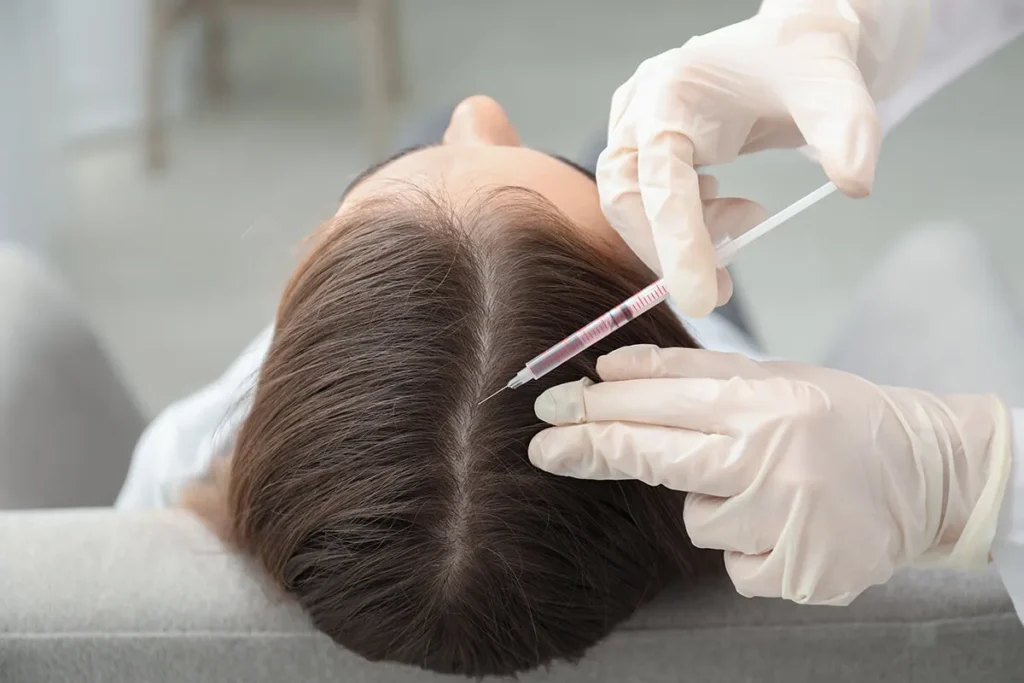
Knowing which chemotherapy treatments might cause hair loss helps patients prepare. The risk of hair loss changes with each chemotherapy drug type.
High-Risk Chemotherapy Drugs
Drugs like anthracyclines and taxanes often lead to hair loss. Anthracyclines, like doxorubicin, treat cancers like breast cancer and lymphoma. Taxanes, including paclitaxel and docetaxel, also cause hair loss.
Anthracyclines: Doxorubicin, epirubicin
Taxanes: Paclitaxel, docetaxel
These drugs target fast-growing cells, including cancer and hair follicles, causing hair loss.
Lower-Risk Options
Some chemotherapy treatments have a lower risk of hair loss. Targeted therapies and certain oral medications might have fewer side effects.
Targeted Therapies: Drugs that target specific cancer cell traits, possibly harming fewer normal cells.
Oral Medications: Some oral chemotherapy drugs might have a lower risk of hair loss than traditional IV treatments.
Does Immunotherapy Cause Hair Loss?
Immunotherapy, which boosts the immune system to fight cancer, usually has a lower risk of hair loss. But, the risk can change based on the immunotherapy drugs used.
It’s key for patients to talk with their healthcare provider about treatment options and side effects. This way, they can understand what to expect and manage hair loss.
Factors That Influence the Severity of Hair Loss
The amount of hair loss from chemotherapy depends on several key factors. Knowing these can help patients prepare for treatment side effects.
Treatment Dosage and Administration Methods
The type of chemotherapy, dosage, and how it’s given affect hair loss. High-dose chemotherapy often leads to more severe hair loss. The method of giving the treatment, like IV, also plays a role.
Some chemotherapy drugs are more likely to cause hair loss than others. For example, anthracyclines and taxanes can lead to more hair loss. Using these drugs together can make hair loss worse.
Individual Patient Characteristics
Age, health, and genetics can also affect hair loss. Younger patients might lose more hair because their follicles are more active.
Timeline: When Hair Loss Begins and When It Grows Back
Hair loss usually starts one to three weeks after starting chemotherapy. It can fall out slowly or in clumps. After treatment ends, hair regrows in one to three months.
Hair regrowth rates vary. Some people grow back all their hair, while others notice changes in texture or color.
Understanding these factors and timelines helps patients cope with chemotherapy-related hair loss.
Conclusion: What to Expect and How to Prepare
Hair loss is a big worry for many people with cancer. It’s a tough side effect of chemotherapy. Knowing what to expect and how to get ready can really help.
People getting chemotherapy should know that some treatments might make their hair thin or fall out. This includes treatments with anthracyclines and taxanes. Even chemotherapy pills can cause hair loss, but how much can vary.
But there are ways to deal with hair loss during treatment. Scalp cooling is a good method to lessen hair loss. Wigs and hair prosthetics also offer support and confidence.
By understanding their treatment and the risk of hair loss, patients can prepare better. Talking to healthcare providers and looking into resources can help with managing hair loss during cancer treatment.
FAQ
Does all chemotherapy cause hair loss?
No. While a common side effect, not all chemotherapy drugs cause hair loss. Some may cause significant thinning, while others have no impact on hair at all. Your specific outcome depends on the drug type, the dosage, and your individual sensitivity.
What chemotherapy treatments are most likely to cause hair loss?
Taxanes (like Paclitaxel and Docetaxel), Anthracyclines (like Doxorubicin), and certain Alkylating agents (like Cyclophosphamide) are the most likely to cause complete hair loss. These drugs target rapidly dividing cells, which unfortunately includes the cells in your hair follicles.
Does immunotherapy cause hair loss?
Immunotherapy is much less likely than chemotherapy to cause hair loss, affecting only a small percentage of patients (roughly 10–15%). When it does occur, it usually presents as mild thinning or patchy loss rather than the total alopecia often seen with traditional chemo.
How long does it take for hair to grow back after chemotherapy?
A soft “peach fuzz” typically appears within 3 to 4 weeks after treatment ends. Most people see about an inch of real hair growth by the 2 to 3-month mark, and a full, styleable head of hair usually returns within 6 to 12 months.
Can scalp cooling help prevent hair loss during chemotherapy?
Yes, scalp cooling (cold caps) can be highly effective, especially with taxane-based regimens where success rates for hair retention can reach 60–80%. It works by constricting blood vessels in the scalp, which reduces the amount of chemotherapy drug that reaches and damages the follicles.
Are there any chemotherapy medications that don’t cause hair loss?
Yes, several drugs typically do not cause hair loss, including Carboplatin, Cisplatin, and Fluorouracil (5-FU). While they might make hair feel more brittle or dry, they are far less likely to cause the significant shedding associated with other “cytotoxic” drugs.
Does hormone therapy cause hair loss?
Hormone therapies (like Tamoxifen or Aromatase Inhibitors) typically cause gradual thinning rather than sudden loss. This thinning usually becomes more noticeable after 6 months to 2 years of treatment and is caused by the shift in hormone levels rather than direct follicle damage.
Can I expect to lose all my hair during chemotherapy?
Not necessarily. About 65% of patients experience significant hair loss, but many others only see thinning. Your oncologist can provide a more accurate prediction based on whether you are receiving a single drug or a combination “cocktail,” which increases the likelihood of total loss.
Are there any treatments available to manage hair loss?
Beyond scalp cooling, treatments focus on regrowth and scalp health. Minoxidil (Rogaine) is often recommended after chemo to speed up regrowth, and using gentle, unperfumed baby shampoos can help protect the sensitive scalp and fragile new hair during the recovery phase.
Does a chemotherapy pill cause hair loss?
Some chemo pills (like Capecitabine) can cause hair thinning, but they are generally less likely to cause total hair loss than IV infusions. However, some targeted therapy pills may cause unique changes, such as making the hair grow back curlier, drier, or even a different color.
References
National Center for Biotechnology Information. Evidence-Based Medical Insight. Retrieved from https://pmc.ncbi.nlm.nih.gov/articles/PMC8280404/





