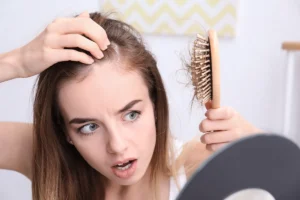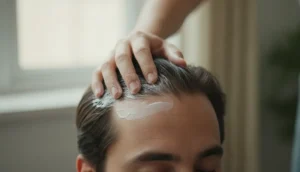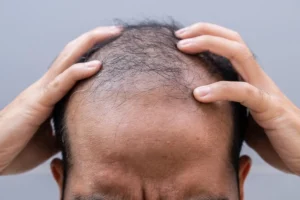
Losing a lot of hair in the shower can scare new moms. Postpartum hair loss is common, affecting over 90% of women after they have a baby.
Stop postpartum balding with 5 powerful fast cures. Learn amazing ways to keep your hair thick and healthy while breastfeeding with expert tips.
Hormonal shifts after childbirth cause this issue, known as telogen effluvium. While breastfeeding brings its own set of challenges, knowing when it happens and how to stop it can help a lot.
At gold city hair, we’re here to help postpartum women with science-backed skin care. We aim to help new moms feel confident again by tackling hair loss during breastfeeding and sharing tips to stop it.
Key Takeaways
Understand the causes of postpartum hair loss
Learn how hormonal changes affect hair during breastfeeding
Discover simple, effective strategies to minimize hair shedding
Explore evidence-based solutions for hair loss prevention
Regain confidence with expert-backed advice
Understanding Postpartum Balding: Causes and Timeline
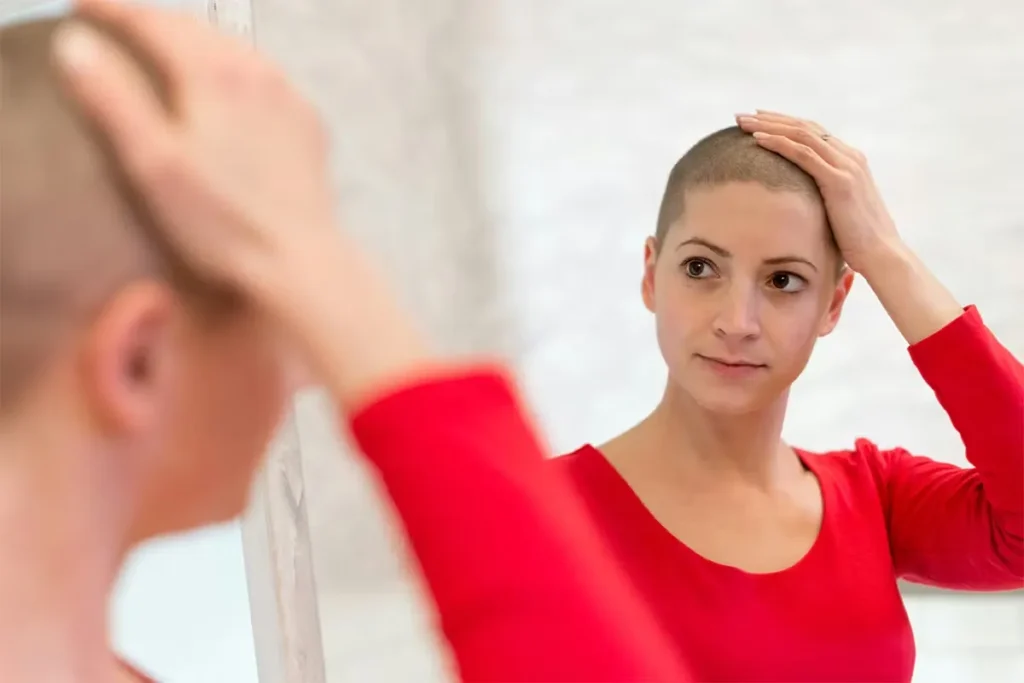
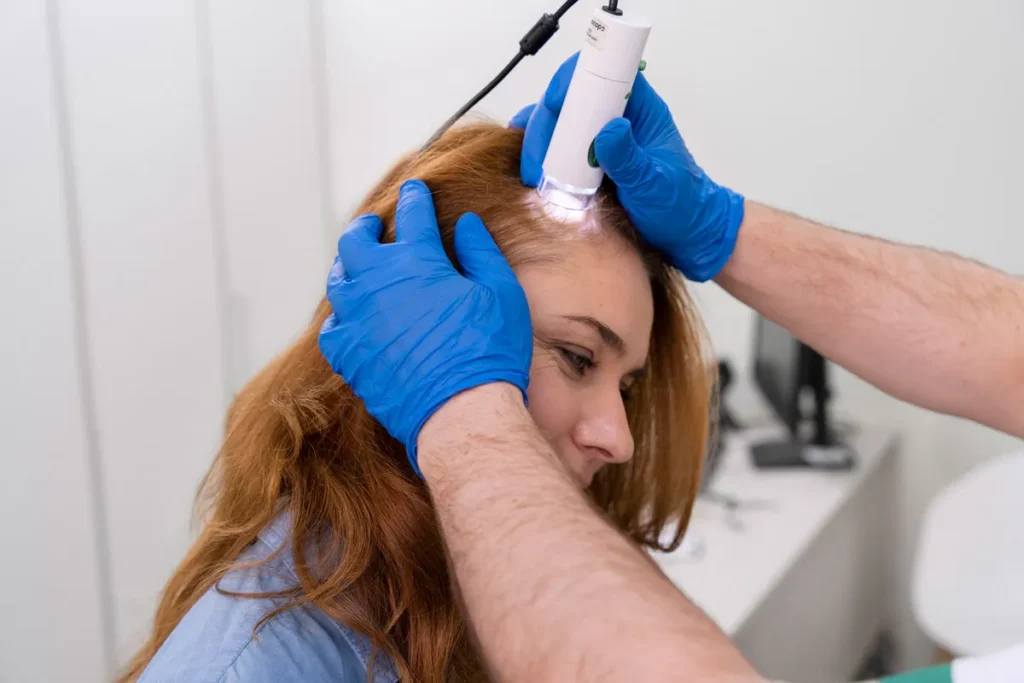
Postpartum balding can be scary, but knowing why it happens can ease fears. Many new moms face hair loss after having a baby.
The Hormonal Triggers Behind Hair Shedding
During pregnancy, high levels of estrogen keep hair in the growth phase. This makes hair thicker and fuller. But after giving birth, estrogen levels drop. This causes hair to fall out as it moves into the resting phase.
Normal Timeline: From 3 Months to Peak Shedding
Postpartum hair loss usually starts 3 months after childbirth and reaches its peak at 5 months. This time frame can differ for each woman. Knowing it’s a normal part of recovery can help moms deal with the hair loss.
How Breastfeeding Duration Affects Hair Loss Patterns
Breastfeeding can change how long postpartum hair loss lasts. Hormonal changes during lactation can make shedding last longer. But how much hair is lost varies, and how long a mom breastfeeds can affect it.
It’s key for new moms to know that breastfeeding is just one factor. Other factors, including hormonal changes and overall health, also play a part in hair loss.
Effective Strategies to Minimize Hair Loss While Breastfeeding
New moms can fight hair loss by changing their diet, being gentle with their hair, and massaging their scalp. These steps help keep hair healthy and reduce loss.
Essential Nutrients That Combat Postpartum Shedding
Eating a balanced diet is key for healthy hair. Iron, zinc, and biotin are vital for hair growth. Add spinach, almonds, and salmon to your meals to fight shedding.
Also, make sure you get enough omega-3 fatty acids. These are found in walnuts, flaxseeds, and sardines. They help your hair follicles stay healthy.
Gentle Hair Care Techniques to Reduce Breakage
Being gentle with your hair is important after having a baby. Use a wide-tooth comb or soft-bristled brush to detangle. Start from the ends and work up. Stay away from heat styling and harsh chemicals.
Choose a mild shampoo and conditioner that fits your hair type. Gently massage your scalp while washing to boost blood flow.
Scalp Stimulation Methods That Promote Growth
Scalp massage is a simple way to encourage hair growth. Massage your scalp with your fingertips in circles for a few minutes daily. You can also use a scalp massager for extra stimulation.
Using a scalp serum or oil is another good idea. Choose ones with coconut oil, rosemary essential oil, or castor oil. These nourish your scalp and help your hair grow.
Hairstyles and Cuts That Create Volume
The right hairstyle can make your hair look thicker. Try a layered cut or a bob for more volume. Avoid tight styles like braids or ponytails that can damage your hair.
Using volumizing products can also help. Look for products with glycerin, panthenol, or argan oil. These add moisture and volume to your hair.
Conclusion: Patience and Self-Care During Your Hair Recovery Journey
Postpartum hair loss can be tough for new moms. But, it’s good to know it’s usually temporary. As hormone levels get back to normal, your hair will start growing again.
Learning about postpartum balding and how to reduce hair loss while breastfeeding helps a lot. This knowledge can greatly aid your hair recovery journey.
Focus on getting the right nutrients and using gentle hair care. Also, try scalp stimulation and hairstyles that add volume. Being patient and taking care of yourself is key. Your hair will grow back, and you’ll have a fuller, healthier mane.
When does hair loss stop postpartum? For most, it slows down and stops when hormone levels stabilize. If you’re losing hair while breastfeeding, it’s common. With the right strategies, patience, and self-care, you’ll regain your confidence and have a vibrant, healthy head of hair.
FAQ
Does breastfeeding cause hair loss?
Breastfeeding does not directly cause hair loss. Hormonal changes after pregnancy are the main reason for shedding.
When does postpartum hair loss start?
Postpartum hair loss usually begins around 2 to 4 months after delivery.
How long does postpartum hair loss last?
It commonly lasts 3 to 6 months, but in some cases it can continue up to a year.
How can I prevent hair loss while breastfeeding?
You cannot completely prevent it, but eating well, reducing stress, and using gentle hair care can help.
What nutrients are essential for hair growth during postpartum?
Iron, protein, vitamin D, biotin, and zinc are important for healthy hair growth.
Can I take supplements to prevent postpartum hair loss?
Yes, but only after consulting your doctor, especially while breastfeeding.
Are there any hairstyles that can help create the illusion of thicker hair?
Layered cuts, loose waves, and avoiding tight hairstyles can make hair look fuller.
When does hair stop falling out postpartum?
Shedding usually slows down by 6 to 12 months after childbirth.
How can I promote hair growth during postpartum?
Maintain a balanced diet, stay hydrated, massage your scalp gently, and avoid excessive heat styling.
References
National Center for Biotechnology Information. Evidence-Based Medical Insight. Retrieved from https://pmc.ncbi.nlm.nih.gov/articles/PMC4908443/