
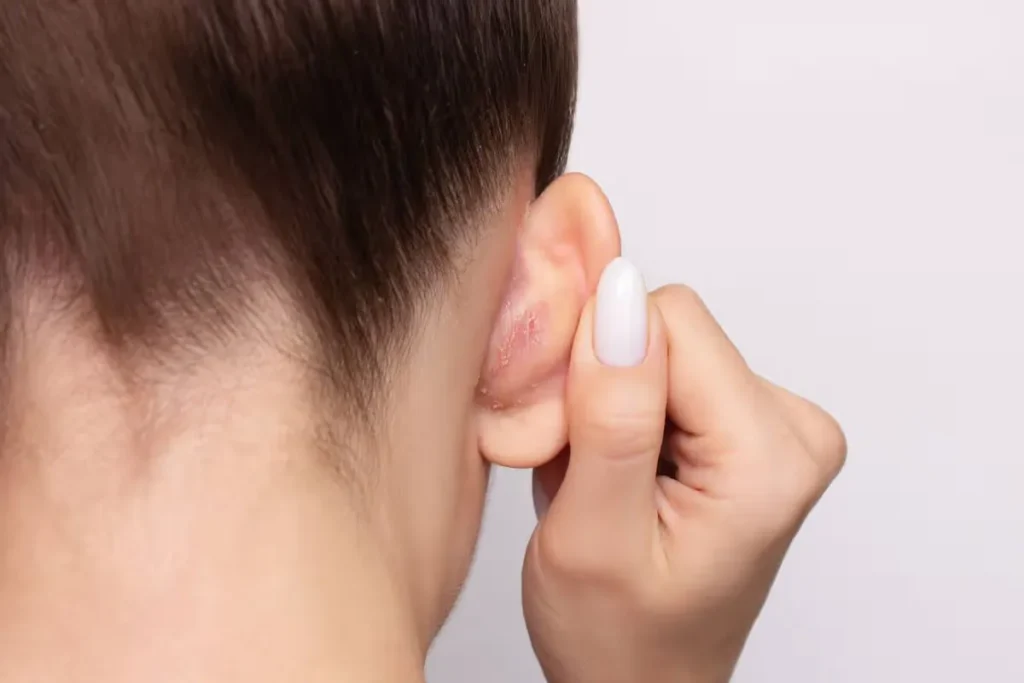
Treat seborrheic dermatitis newborn cases with safe wins. Learn amazing ways to protect sensitive skin and achieve incredible healing fast.
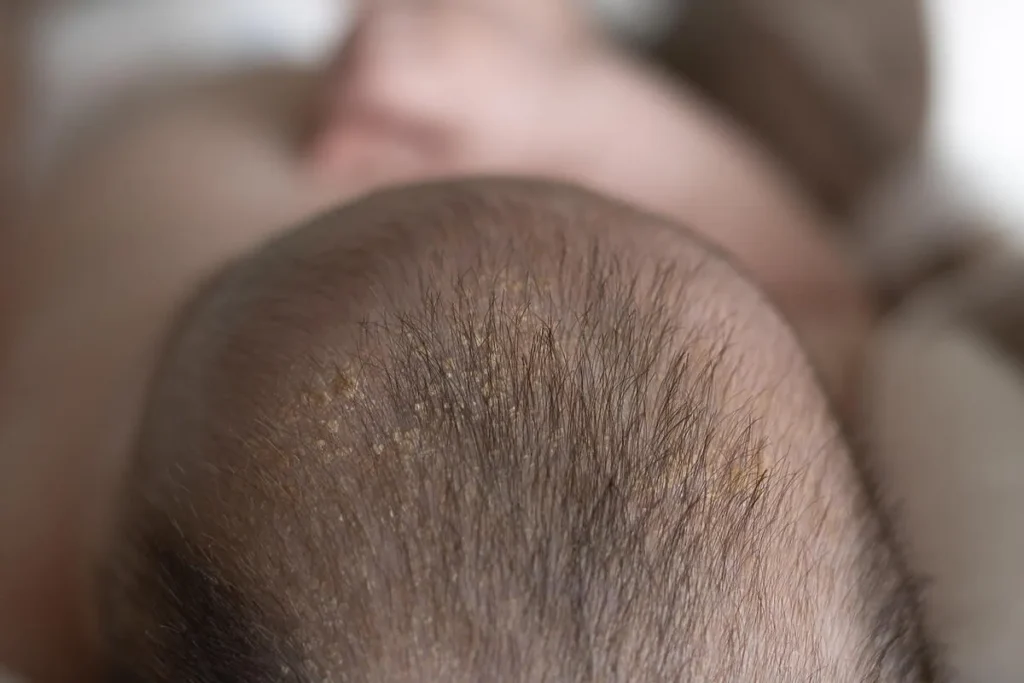
Seeing yellowish, scaly patches on your newborn’s scalp can be scary. But knowing that cradle cap affects about half of all babies can make you feel better.
This common, harmless condition usually goes away within the first year. You don’t always need special treatment. Gentle care and, if needed, medicated solutions can help.
Seborrheic dermatitis in babies worries parents because of how it looks. But it’s usually harmless and goes away by itself.
Key Takeaways
Seborrheic dermatitis is a common condition in infants.
It typically resolves on its own within the first year.
Gentle care strategies can help manage symptoms.
Medicated solutions may be needed in some cases.
Understanding the condition can help alleviate parental concerns.
Understanding Seborrheic Dermatitis in Newborns
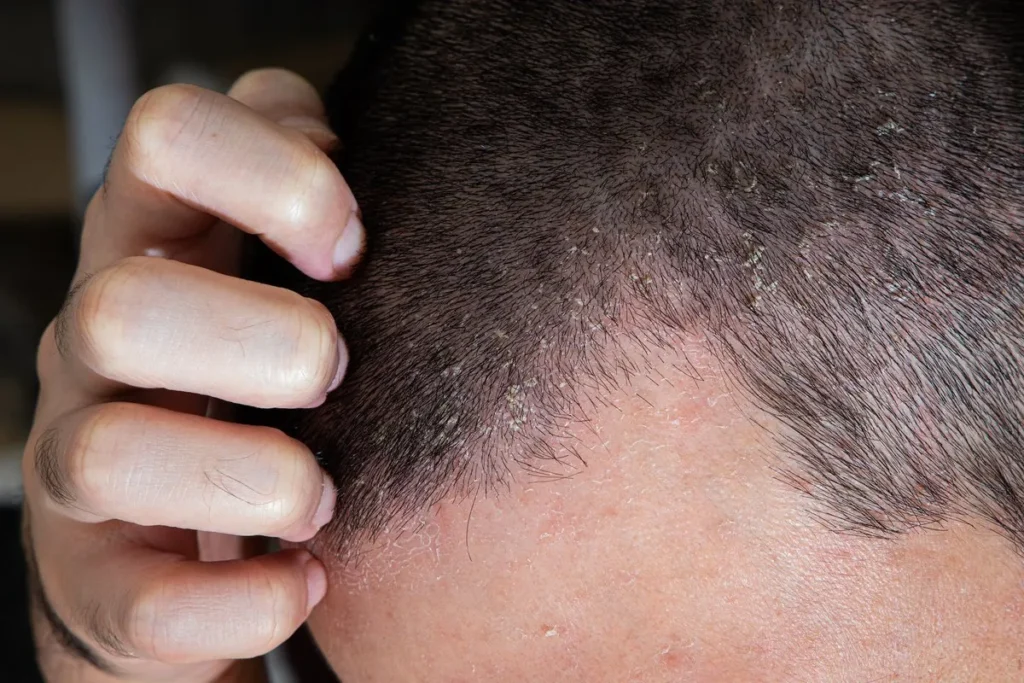
Cradle cap, or infantile seborrheic dermatitis, is a harmless condition in many newborns. It usually shows up before three months and goes away on its own between six to twelve months.
What is Cradle Cap and Infantile Seborrheic Dermatitis?
Infantile seborrheic dermatitis, also known as cradle cap, is a skin issue in newborns. It causes yellowish or greasy scales on the scalp and sometimes redness elsewhere on the body.
Common Symptoms and Affected Areas
Seborrheic dermatitis in newborns shows yellowish scales or crusts on the scalp, redness, and mild itching. It mainly hits the scalp but can also show up on the face, ears, and neck.
Parents should know these signs to understand it’s usually not serious and can be treated.
Causes and Risk Factors
The exact cause of seborrheic dermatitis in newborns is not known. Hormonal influences and skin yeast might be involved. It’s not from poor hygiene or allergies.
Here’s a summary of key points about seborrheic dermatitis in newborns:
Effective Treatment Methods for Seborrheic Dermatitis in Newborns
Managing seborrheic dermatitis in newborns requires gentle care and sometimes medicated products. Simple home care can help a lot. This includes using oil to soften scales, gently brushing the scalp, and using mild shampoos.
Gentle Washing and Brushing Techniques
Gentle washing and brushing are key for newborns with seborrheic dermatitis. Start by rubbing the scalp gently with your fingers or a soft cloth. Then, use a mild baby shampoo to wash the hair.
Use a soft-bristled brush or a fine-toothed comb to gently remove scales. This reduces cradle cap and stops it from spreading.
Use lukewarm water to wet the scalp.
Apply a small amount of baby shampoo and gently massage.
Rinse thoroughly and pat dry.
Brush the scalp gently with a soft-bristled brush.
Natural Oils and Home Remedies
Natural oils and home remedies can help with seborrheic dermatitis in newborns. Applying a small amount of olive oil or coconut oil before bathing can soften scales. Using a humidifier can also help by adding moisture to the air, soothing the skin.
Medicated Shampoos and Creams
If the condition doesn’t get better or gets worse, a healthcare provider might suggest medicated shampoos or creams. These products can reduce inflammation and fight fungal infections. It’s important to use these products as advised by the healthcare provider to keep the newborn safe and effective.
Consult with a healthcare provider before using any medicated products.
Follow the instructions provided carefully.
Monitor the baby’s skin for any signs of irritation or allergic reactions.
By using these treatment methods together, parents can manage seborrheic dermatitis in their newborns. This reduces discomfort and helps keep the skin healthy.
Conclusion
Seborrheic dermatitis in newborns, often seen as cradle cap, is a common issue. It can worry parents. But, unlike other scalp conditions, it’s not itchy and doesn’t hurt the baby much.
For seborrheic dermatitis in newborns, symptoms usually go away in a few weeks or months. To manage it, gentle washing and brushing are key. Natural oils and sometimes medicated shampoos or creams are also helpful.
Knowing that seborrheic dermatitis in infants often goes away by itself can ease worries. By using the right care and treatments, parents can help their baby’s condition. This can make aby seborrheic dermatitis less noticeable.
With the right care and patience, babies with seborrheic dermatitis can get through this. And, it usually doesn’t leave lasting effects.
FAQ
What is seborrheic dermatitis in newborns, and is it the same as cradle cap?
Seborrheic dermatitis is a common skin condition in newborns that causes greasy, yellowish scales on the scalp. When it appears on the scalp, it is commonly called cradle cap.
What are the common symptoms of seborrheic dermatitis in infants?
Greasy yellow or white flakes on the scalp, mild redness underneath, and sometimes similar patches on the eyebrows, behind the ears, or in skin folds. It usually isn’t itchy or painful.
What causes seborrheic dermatitis in newborns?
It’s thought to be related to overactive oil glands influenced by maternal hormones and a natural skin yeast (Malassezia). It is not caused by poor hygiene.
How can I treat seborrheic dermatitis on my baby’s scalp?
Wash the scalp daily with a gentle baby shampoo, gently loosen flakes with a soft brush, and apply a small amount of baby oil or mineral oil before washing to soften thick scales.
Are there any home remedies for treating infant seborrheic dermatitis?
Applying coconut oil or mineral oil briefly before shampooing can help loosen scales. Gentle brushing and regular cleansing are usually enough for mild cases.
When should I use medicated shampoos or creams for seborrheic dermatitis in my newborn?
If the condition is severe, spreading, inflamed, or not improving with basic care, a pediatrician may recommend mild antifungal shampoos or low-strength medicated creams.
Can seborrheic dermatitis in newborns be prevented?
It cannot always be prevented, but regular gentle washing and avoiding heavy oil buildup can reduce recurrence.
Is seborrheic dermatitis in newborns contagious?
No, it is not contagious and cannot spread to others.
How long does seborrheic dermatitis last in newborns?
It often improves within weeks to a few months and usually resolves on its own by 6–12 months of age.
References
National Center for Biotechnology Information. Evidence-Based Medical Insight. Retrieved from https://pmc.ncbi.nlm.nih.gov/articles/PMC6397947/





