
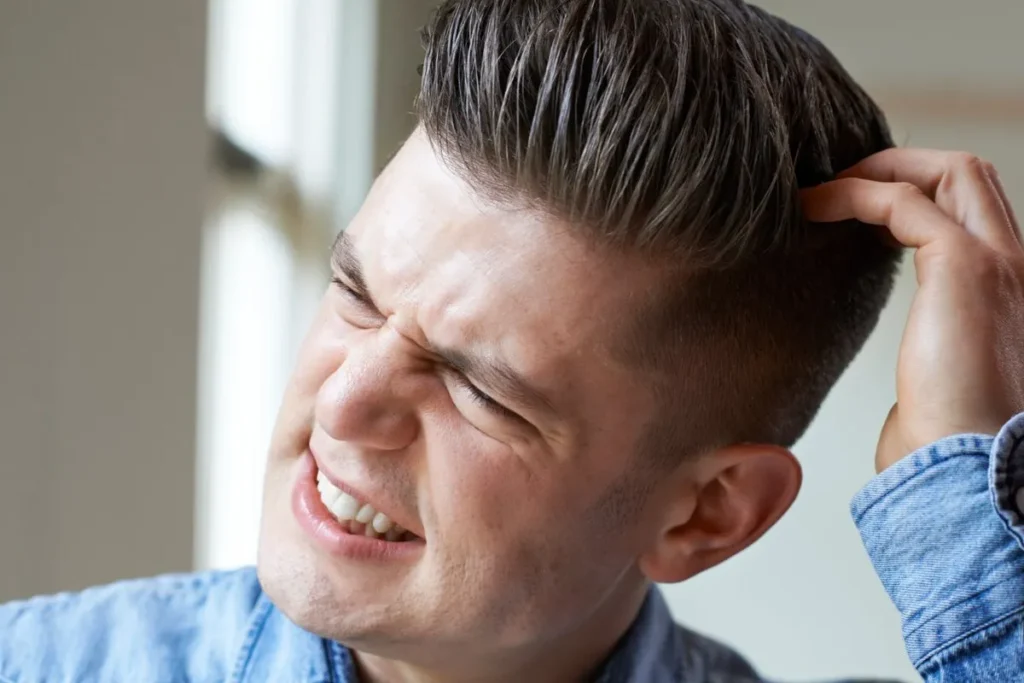
Dealing with sores on your scalp can be frustrating and painful. It’s also confusing when you’re not sure what’s causing them or how to get relief.
Facing blisters on scalp? Get incredible fast relief with these powerful cures. Stop the scary pain and achieve amazing, healthy skin today.
Scabs or sores on the scalp often go away on their own. But sometimes, they can be signs of bigger issues like psoriasis or contact dermatitis.
Knowing what’s causing the sores is key to treating them right. At Gold City Hair, we know how important scalp health is for your overall well-being.
Key Takeaways
Scalp sores can result from various factors, including infections and inflammatory conditions.
Understanding the underlying cause is key to effective treatment.
Scalp health is essential to overall well-being.
Proper diagnosis is critical for quick relief.
Treatment options vary based on the cause of scalp sores.
Understanding Scalp Sores and Their Causes
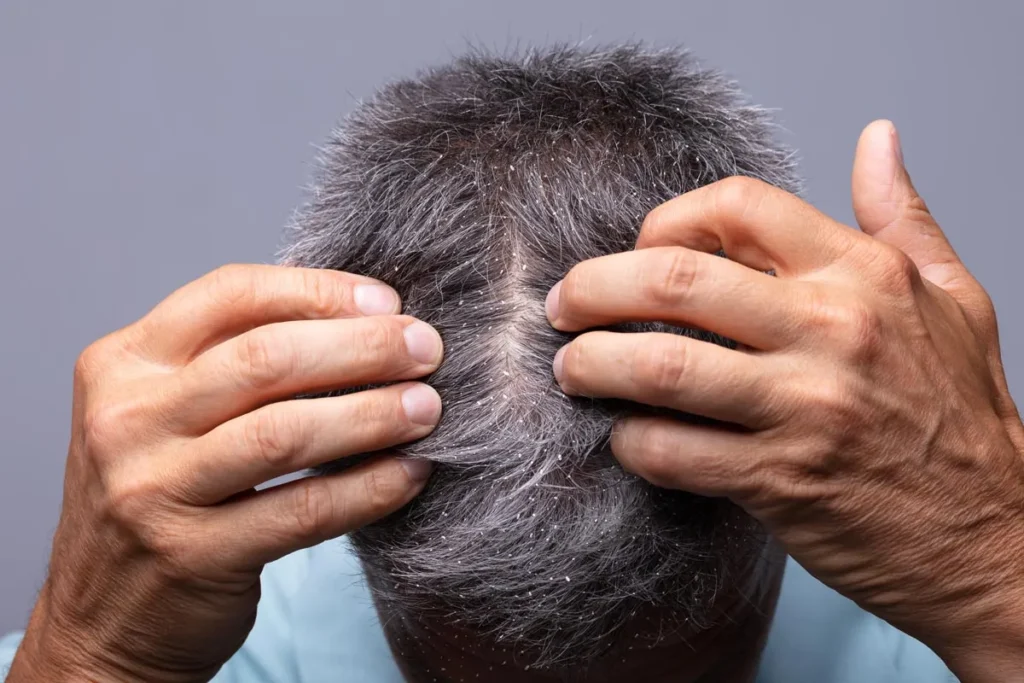
It’s important to know why scalp sores happen to treat them well. These sores, or ulcers, can come from infections, skin issues, or allergies.
Common Types of Scalp Lesions
Scalp sores can look different based on their cause. Here are some common ones:
Psoriasis: This is a long-term condition that makes skin cells grow too fast. It causes dry, colored, and scaly patches.
Seborrheic Dermatitis: This condition leads to scaly patches, red skin, and hard dandruff. It’s often due to genes and the environment.
Contact Dermatitis: This is skin inflammation from irritants or allergens. It makes skin red, itchy, and blistered.
Folliculitis: This affects hair follicles and is usually from bacteria or fungus.
Scalp Cysts: These are fluid-filled sacs on the scalp. They can get inflamed or infected.
Risk Factors and Prevalence
Some things can make you more likely to get scalp sores. These include:
Genetic Predisposition: Psoriasis and seborrheic dermatitis can run in families.
Environmental Factors: Stress, certain foods, and smoking can start or make scalp problems worse.
Poor Scalp Hygiene: Not washing often or using harsh products can irritate the scalp and cause sores.
Scalp sores are quite common. They affect many people at some point. Knowing the causes and risk factors helps in managing and treating them.
Identifying Blisters on Scalp and Other Painful Conditions
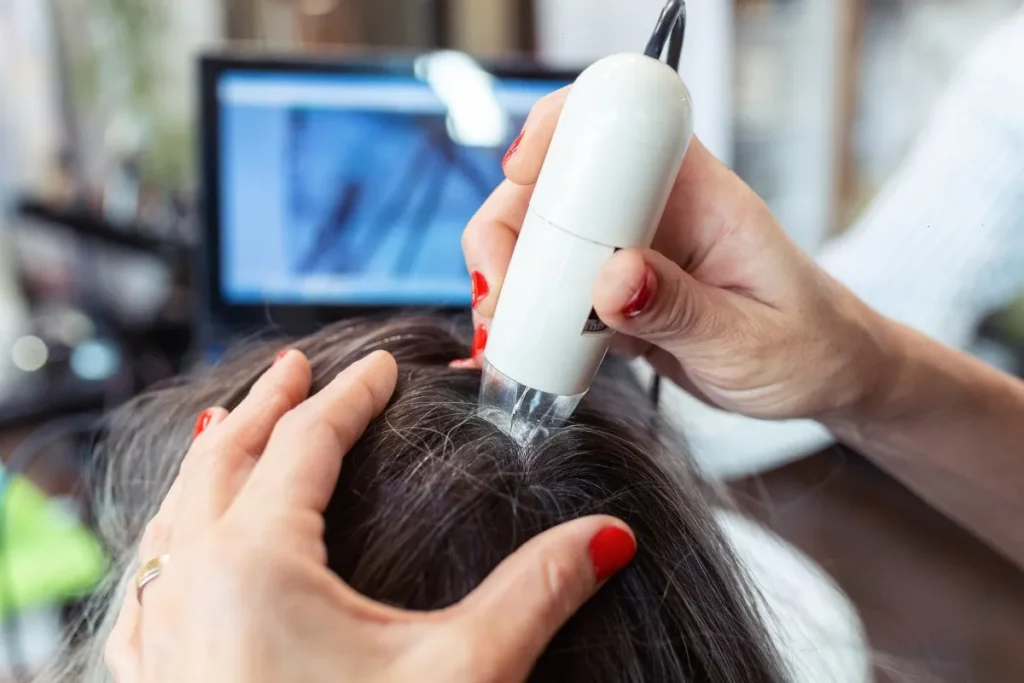
The scalp can face many issues, from infections to autoimmune diseases. Each condition has its own symptoms and needs specific treatment. Knowing the different scalp sores is vital for the right diagnosis and care.
Bacterial and Viral Infections
Bacterial infections like impetigo can cause sores on the scalp. Impetigo is very contagious and often hits young kids. It shows up as red sores that can burst and turn light brown.
Viral infections, such as shingles, can also cause severe pain and need quick treatment. Shingles, caused by the varicella-zoster virus, can lead to a painful rash on the scalp.
Inflammatory Conditions: Seborrheic Dermatitis and Psoriasis
Inflammatory conditions like seborrheic dermatitis and psoriasis also affect the scalp. Seborrheic dermatitis causes a red, itchy rash on the scalp, often with white or yellow scales. Psoriasis leads to thick, scaly patches on the scalp that may itch or hurt.
Both conditions need management through medicated shampoos and topical treatments.
Round Sores and Autoimmune Conditions
Round sores on the scalp might mean discoid lupus, an autoimmune condition. Discoid lupus causes coin-shaped lesions on the scalp, which can lead to scarring if not treated. Autoimmune conditions need full management to prevent long-term damage.
Itchy Spots on Head Under Hair
Itchy spots on the head under hair can be due to many things, like dandruff, eczema, or folliculitis. Finding the cause is key for effective treatment. Treatment might include medicated shampoos, topical creams, or lifestyle changes to manage symptoms and prevent recurrence.
Knowing the causes and symptoms of these conditions is key to managing scalp sores effectively. By identifying the specific condition affecting the scalp, individuals can seek the right treatment and ease discomfort.
Effective Treatment Methods for Scalp Sores
Dealing with scalp sores starts with finding out what’s causing them. It could be an infection, inflammation, or something else. Once you know the cause, you can start a treatment plan to help symptoms and heal.
Over-the-Counter Solutions
For mild scalp sores, you can try over-the-counter (OTC) options. Medicated shampoos with ketoconazole, zinc pyrithione, or salicylic acid can fight infections and reduce inflammation. They also help remove scales or flakes from conditions like seborrheic dermatitis or psoriasis.
OTC creams or ointments with hydrocortisone can soothe itchy, inflamed areas. Always follow the instructions and talk to a doctor if your symptoms don’t get better or get worse.
Prescription Treatments for Severe Cases
If your scalp sores are serious, you might need prescription meds. These could be stronger creams, antifungal meds, or antibiotics based on the cause of your sores.
For conditions like alopecia areata, which causes round sores, treatments might include corticosteroid shots or other medicines to fight the immune system. Seeing a dermatologist is key to getting the right treatment.
Home Remedies for Quick Relief
Medical treatments aren’t the only way to help scalp sores. Home remedies like a warm compress can reduce swelling and aid in healing. Keeping your scalp clean, avoiding harsh hair products, and managing stress also help.
Some people find relief with natural remedies like tea tree oil, coconut oil, or apple cider vinegar. These have anti-inflammatory and antimicrobial effects. But, always dilute them and do a patch test to avoid skin irritation.
Managing Recurring Sores on Scalp
For those with recurring scalp sores, managing them requires a long-term plan. Regular check-ups with a doctor are important to adjust treatments and address underlying issues.
Making lifestyle changes, like eating well, managing stress, and avoiding triggers, can also help. Knowing what triggers your sores and taking steps to prevent them can greatly improve your life.
Conclusion
Scalp sores can be a big worry for many people. They cause discomfort and stress. While most head sores are not serious and go away on their own, some can mean there’s a bigger health issue.
Knowing why scalp sores happen is important for fixing them. These sores can come from infections, inflammation, or autoimmune diseases. It’s key to understand the cause.
If you have scalp sores that won’t go away, you should see a doctor. They can find out what’s causing the sores and help you get better. Knowing why you get sores can help you avoid them in the future.
By using the treatment tips in this guide, you can quickly feel better from scalp sores. Getting the right diagnosis and treatment is vital for managing these sores well.
FAQ
Common Causes of Scalp Sores
Scalp sores are frequently caused by skin conditions like seborrheic dermatitis, which leads to itchy, crusty patches, or scalp psoriasis, which creates thick, silver-scaled sores. Other common triggers include bacterial folliculitis, where hair follicles become infected, or allergic contact dermatitis from harsh hair dyes and styling products.
Identifying the Underlying Cause
You can identify the cause by observing the appearance and texture of the sores, such as whether they are oily and yellowish (dermatitis) or dry and silvery (psoriasis). Pay attention to triggers like new hair products or periods of high stress, as these often coincide with the flare-up of specific scalp conditions.
Treatment Options for Scalp Sores
Treatment typically involves medicated shampoos containing active ingredients like ketoconazole, selenium sulfide, or salicylic acid to reduce inflammation and clear infections. For more severe or persistent sores, a dermatologist may prescribe topical steroid drops or oral antibiotics to target the root cause and promote healing.
Managing Recurring Scalp Sores
Managing recurring sores requires a consistent scalp care routine that avoids the buildup of oils and dead skin cells while keeping the skin’s pH balanced. Identifying and avoiding personal triggers, such as specific chemical ingredients or dietary sensitivities, can significantly reduce the frequency of painful flare-ups.
Contagiousness of Scalp Sores
Scalp sores themselves are not usually contagious if they are caused by autoimmune issues or allergies, but sores resulting from fungal infections like ringworm or bacterial impetigo can spread easily through shared combs or hats. It is best to avoid sharing personal hair care items until the sores have been medically cleared.
Autoimmune Scalp Lesions
Scalp lesions caused by autoimmune diseases, such as discoid lupus or pemphigus, often appear as persistent, well-defined red patches that may lead to scarring or permanent hair loss. These sores are typically more resistant to standard over-the-counter treatments and may be accompanied by sensitivity to sunlight or sores elsewhere on the body.
Relieving Itchy Spots Under Hair
To relieve itchy spots, use a targeted scalp serum with soothing ingredients like aloe vera or peppermint oil to provide an immediate cooling sensation. Washing with lukewarm instead of hot water and avoiding tight hats or hairstyles can also help reduce the friction and heat that worsen localized itching.
Home Remedies for Quick Relief
Applying a diluted apple cider vinegar rinse can help balance the scalp’s acidity and provide quick relief from itching and minor bacterial irritation. For dry or crusty sores, a small amount of warm coconut oil can soften the scabs and provide a protective moisture barrier while the skin underneath heals.
When to Seek Medical Attention
You should seek medical attention if the sores begin to ooze pus, emit an odor, or are accompanied by a fever and swollen glands in the neck. Professional help is also necessary if the sores are causing noticeable hair thinning or if they do not show any signs of improvement after a week of home care.
References
National Center for Biotechnology Information. Evidence-Based Medical Insight. Retrieved from https://pmc.ncbi.nlm.nih.gov/articles/PMC3579488/





