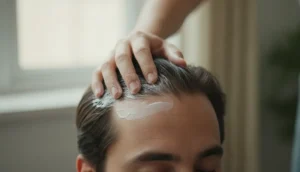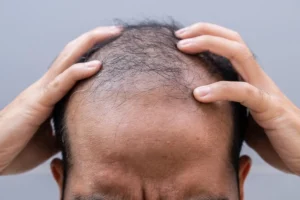
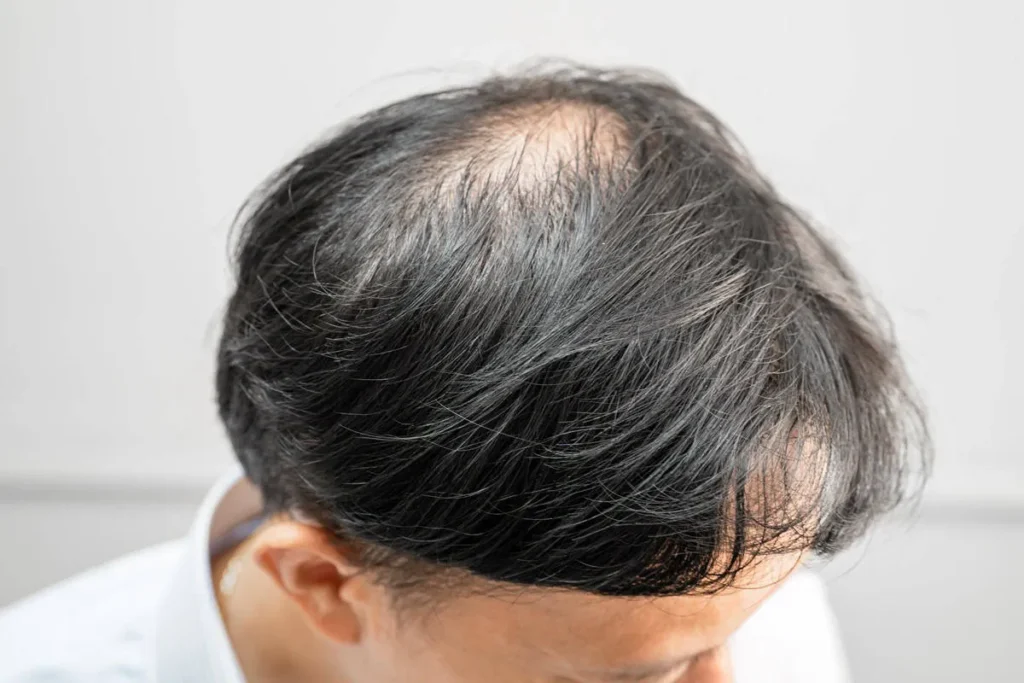
Are you struggling with hair loss and looking for evidence-based solutions? Microneedling is a scientifically validated breakthrough treatment. It significantly outperforms traditional therapies alone.
Use microneedling for hair loss to see an incredible win. Learn the powerful technique for amazing regrowth and incredibly thick hair fast.
This minimally invasive procedure stimulates your scalp’s natural healing response. It activates growth factors that promote hair regrowth. Unlike treatments that require ongoing medication or complex procedures, microneedling offers accessible, results-driven outcomes.
Key Takeaways
Microneedling is a minimally invasive treatment for hair loss.
It stimulates the scalp’s natural healing response.
Growth factors are activated to promote hair regrowth.
Clinical studies have shown promising results.
Microneedling is a relatively simple and accessible treatment.
Understanding Microneedling for Hair Loss
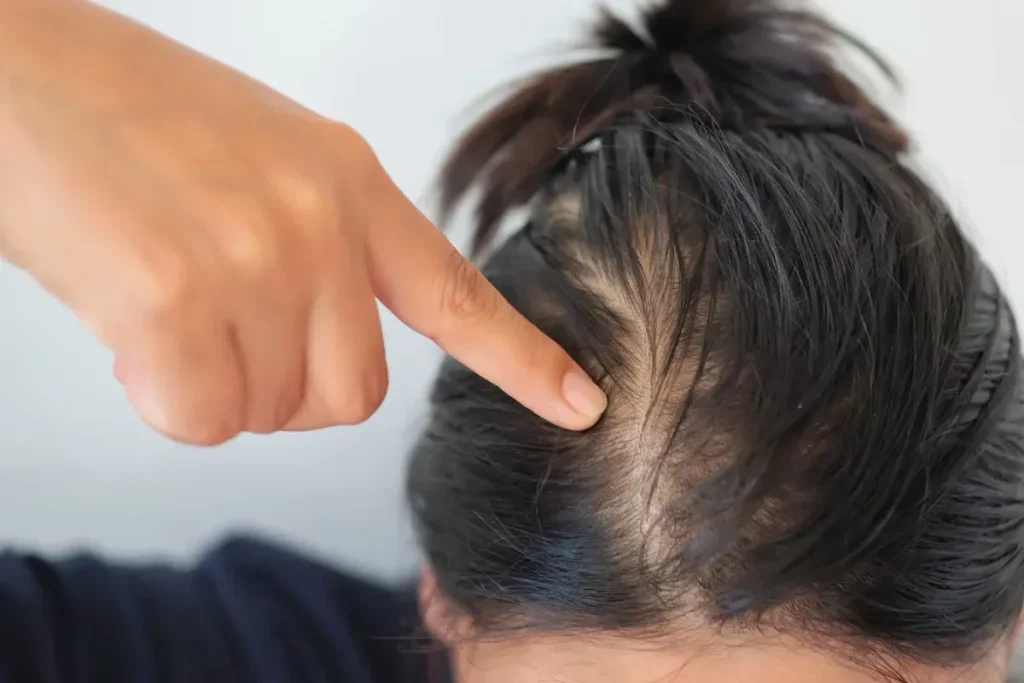
Microneedling uses tiny needles to create micro-injuries. It has shown promise in promoting hair growth. This method is minimally invasive and can stimulate the body’s natural healing processes.
What is Microneedling?
Microneedling uses a device with fine needles to make micro-injuries on the scalp. This action triggers the body’s healing response. It increases blood flow and collagen production.
The increased collagen and blood flow help stimulate dormant hair follicles. This promotes hair regrowth. It also stimulates dermal papilla stem cells, which is key for hair growth.
How Microneedling Stimulates Hair Growth
Microneedling’s effectiveness comes from stimulating dermal papilla stem cells. It creates micro-injuries that start a healing response. This response awakens dormant hair follicles.
Key benefits of microneedling for hair loss include:
Increased blood flow to the scalp
Enhanced collagen production around hair follicles
Stimulation of dermal papilla stem cells
Studies show microneedling can be an effective hair loss treatment. It works well when combined with other therapies. As research continues, microneedling remains a promising option for hair loss.
Scientific Evidence Behind Microneedling Effectiveness
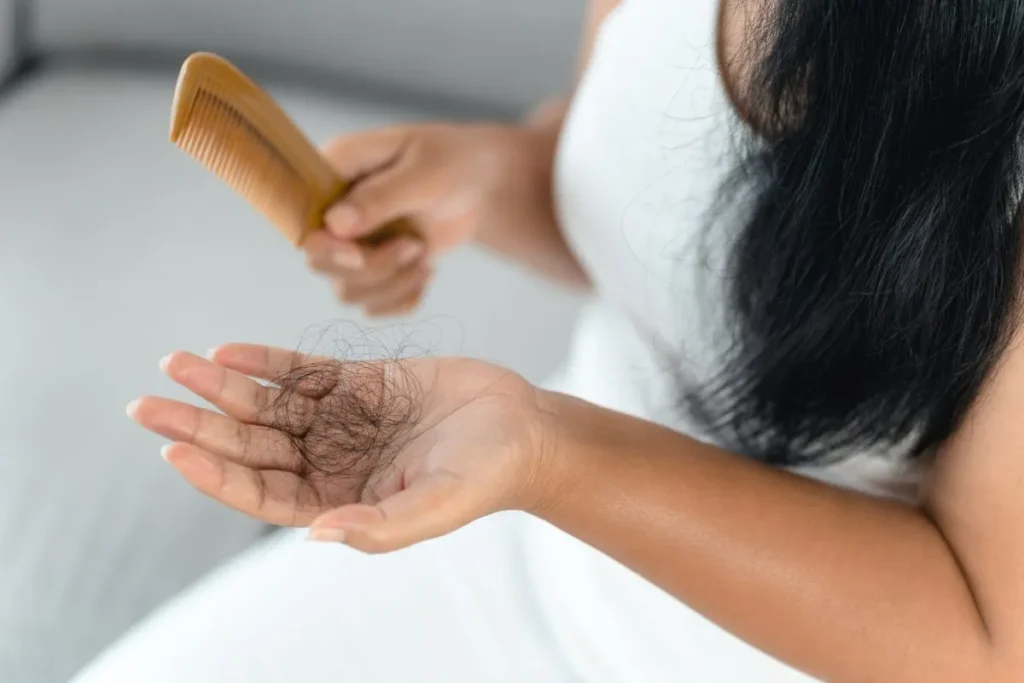
Recent studies have shown that microneedling can help with hair loss. This method is seen as a way to encourage hair growth.
Clinical Research Results
Studies have found that microneedling can increase hair count. It works by improving blood flow to the scalp. This helps release growth factors that aid in hair growth.
Key findings from clinical trials show a rise in hair density and thickness. These results highlight microneedling as a viable hair loss treatment.
Microneedling vs. Minoxidil Treatment
Studies have compared microneedling to minoxidil, a common hair loss treatment. Microneedling alone was found to be more effective than minoxidil 5% in boosting hair count.
But, combination therapy—using microneedling with minoxidil—shows even better results. This mix can lead to better hair growth.
Combination Therapy Benefits
Using microneedling with other treatments, like minoxidil, offers many benefits. It not only increases hair count but also improves scalp health.
Increased hair regrowth
Enhanced scalp health
Improved treatment outcomes when combined with other therapies
Understanding the science behind microneedling for hair loss helps people choose the right treatments. As research grows, microneedling’s role in hair growth will likely become clearer.
Step-by-Step Guide to Microneedling for Hair Regrowth
To get the best results from microneedling for hair loss, knowing how to do it right is key. This method creates tiny injuries to help hair grow. It’s getting popular for treating hair loss.
Selecting the Right Device: Dermarollers vs. Dermapens
Choosing between dermarollers and dermapens depends on what you prefer and need. Dermarollers are handheld with needles that roll over your scalp. Dermapens are electronic pens that puncture your scalp. Studies say both work, but dermapens might be better because they adjust depth and speed.
Needle length and depth adjustment
Ease of use and maneuverability
Cost and durability
Preparing for Your Microneedling Session
Before your microneedling, make sure your scalp is clean and free of products. Stay away from harsh chemicals or exfoliants for a few days before. Getting ready right is important for the best results.
Proper Technique and Needle Depth
Using microneedling right is very important. For dermarollers, roll the device gently in different directions. For dermapens, move it slowly over the area. Adjust the needle depth to what feels comfortable, usually 0.5 to 2.5 mm for hair growth.
Post-Treatment Care and Safety Considerations
After microneedling, wash your scalp with a mild shampoo. Stay away from harsh products or heat styling for a few days. It’s also important to keep your device clean and stored properly to avoid infection. Safety considerations include not overdoing it and watching for any bad reactions.
By following these steps and choosing the right device, you can make your microneedling treatment for hair growth more effective.
Conclusion
Microneedling is a promising treatment for hair loss. It’s a minimally invasive method that helps hair grow back. It works by boosting collagen and improving blood flow to the scalp.
To get the best results, it’s important to choose the right tool and use it correctly. This includes dermarollers or dermapens. Following the right steps and taking care after treatment is also key.
As research keeps improving, microneedling will likely become a major option for treating hair loss. It offers a new way to fight hair loss, different from old methods.
More and more people are turning to microneedling for hair loss. It’s seen as a reliable solution. Knowing how to use dermarollers for hair loss can help people make better choices for their hair.
FAQ
Microneedling and Hair Loss
Microneedling is a procedure that uses tiny needles to create microscopic punctures in the scalp to trigger the body’s natural healing response. This process stimulates stem cells in the hair follicles and increases the production of growth factors and collagen, which can revitalize dormant follicles and improve overall hair density.
Effectiveness for Hair Regrowth
Clinical studies have shown that microneedling is highly effective for hair regrowth, particularly when used to treat androgenetic alopecia. It helps transition hair follicles from the resting phase back into the active growth phase, often resulting in thicker hair shafts and a measurable increase in total hair count over time.
Dermaroller vs. Dermapen
A dermaroller is a manual drum-shaped tool that you roll over the skin, whereas a dermapen is an automated electronic device that pulses needles vertically. The dermapen is generally considered superior because it causes less epidermal tearing and allows for more precise control over the depth of penetration across different areas of the scalp.
Frequency of Treatment
For hair loss, microneedling is typically performed once every week or once every two weeks to allow the scalp sufficient time to heal and regenerate. Over-treating the area can lead to excessive scarring or inflammation, which may actually hinder hair growth rather than helping it, so consistency and patience are key.
Combined Hair Treatments
Microneedling is frequently used alongside other treatments like topical minoxidil or platelet-rich plasma (PRP) therapy to enhance their absorption and efficacy. By creating open micro-channels in the skin, microneedling allows topical medications to penetrate deeper into the hair follicle, significantly boosting the overall results of the regimen.
Side Effects and Risks
Common side effects include temporary redness, scalp sensitivity, and minor swelling immediately following the procedure. If the equipment is not properly sterilized or the needles are too long, there is a risk of infection, bruising, or permanent scarring, which is why maintaining strict hygiene is essential for safety.
Timeline for Results
Most individuals begin to see visible improvements in hair thickness and reduced shedding after approximately three to six months of consistent treatment. Because the hair growth cycle is slow, it takes several months of repeated sessions for the newly stimulated follicles to produce visible, mature hair strands.
At-Home vs. Professional Microneedling
While at-home dermarolling is possible with shorter needles, professional treatments are generally more effective because they use medical-grade devices that reach deeper, more impactful layers of the scalp. A professional can also ensure the procedure is performed in a sterile environment, reducing the risk of complications and ensuring the most even coverage possible.
References
National Center for Biotechnology Information. Evidence-Based Medical Insight. Retrieved from https://pmc.ncbi.nlm.nih.gov/articles/PMC3746236/