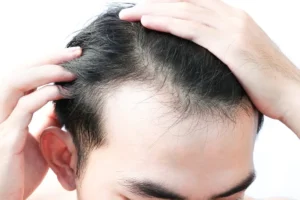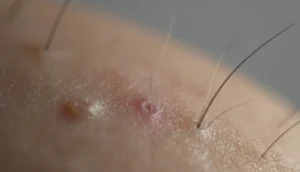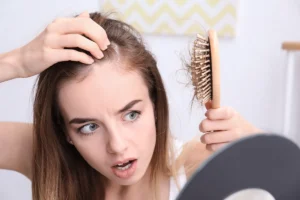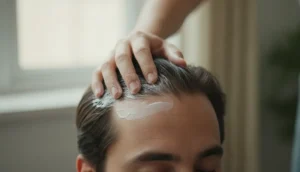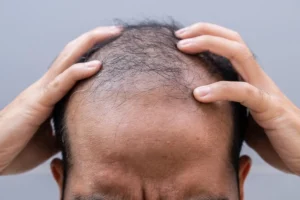
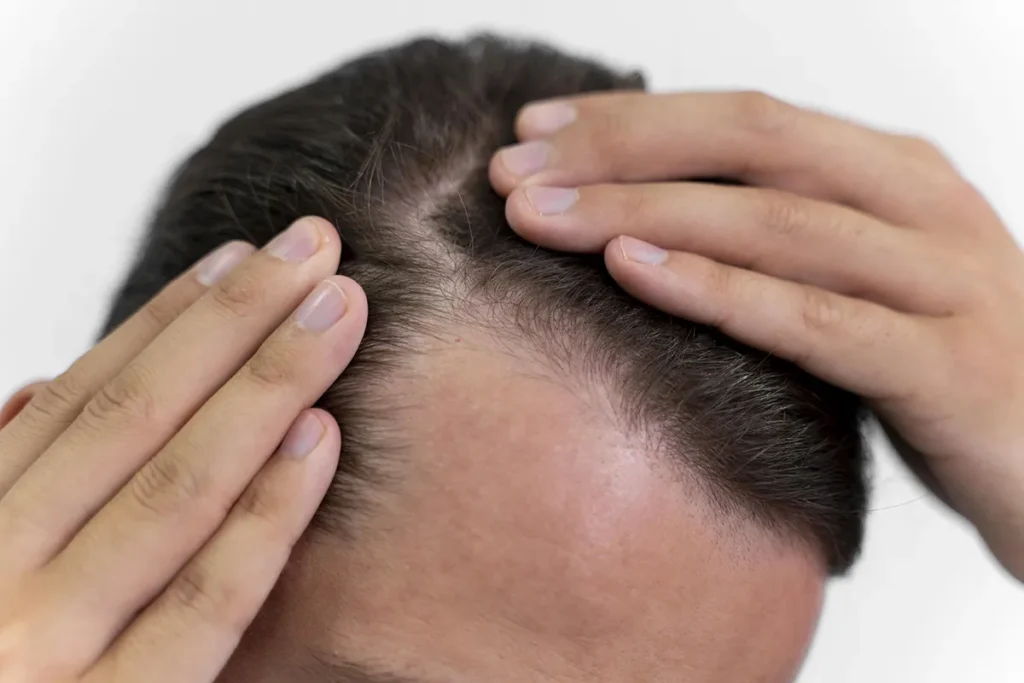
Starting minoxidil or Rogaine is a big step for those dealing with hair loss. But, some people see increased hair shedding right after starting. This can be scary.
Can minoxidil cause hair loss during shedding? Learn the scary truth and discover amazing, powerful ways to achieve incredible regrowth results.
This temporary hair loss is actually a good sign. It means minoxidil is doing its job. Research shows that 17 to 55 percent of users go through this shedding. It’s a normal part of the treatment.
The shedding phase is the first step to getting hair to grow again. It leads to fuller, thicker hair. Knowing this can help ease worries and set the right expectations for how the treatment works.
Key Takeaways
Minoxidil may cause temporary hair shedding during the initial treatment phase.
This shedding is a sign that the treatment is working.
Between 17 to 55 percent of minoxidil users experience increased shedding.
The shedding phase is a normal part of the hair regrowth process.
Understanding the treatment process can help manage expectations and alleviate concerns.
Understanding Minoxidil and Hair Growth
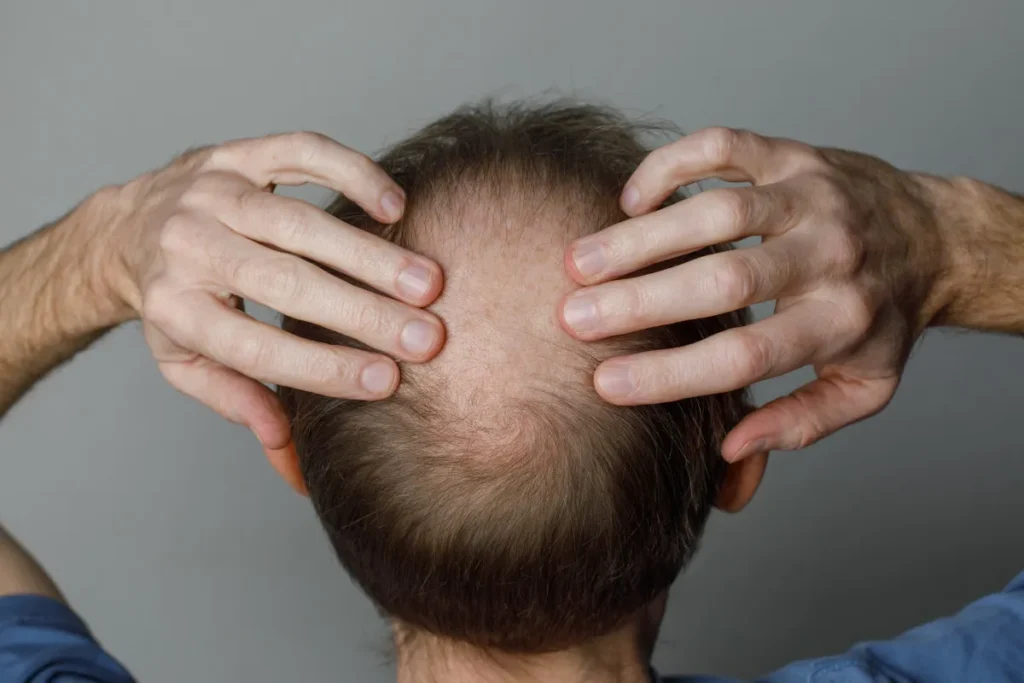
It’s important to know how minoxidil works if you’re thinking about it for hair loss. Minoxidil, also known as Rogaine, is a scalp solution that helps hair grow and slows down loss.
Minoxidil boosts hair growth by directly affecting hair follicles. It widens the follicle and extends the anagen phase, the hair growth phase. This leads to thicker, longer hair.
How Minoxidil Works on Hair Follicles
Minoxidil’s action involves resetting hair follicles’ growth cycle. It moves hair from the resting phase to the growth phase faster. This makes hair thicker and longer. A study in the Journal of Dermatology shows that minoxidil’s effect on the anagen phase is key to its success against hair loss.
– Journal of Dermatology
Here’s how minoxidil works on hair follicles:
Increases blood flow to the scalp
Extends the anagen phase
Expands the hair follicle
The Normal Hair Growth Cycle
The hair growth cycle has three phases: anagen, catagen, and telogen. The anagen phase is the active growth phase. The catagen phase is short, and the telogen phase is the resting phase. Knowing these phases helps understand how minoxidil affects hair growth.
Minoxidil shortens the telogen phase and moves dormant follicles into the anagen phase. This boosts hair growth. The table shows why knowing the hair growth cycle is key to understanding minoxidil’s role in hair regrowth.
Can Minoxidil Cause Hair Loss? The Shedding Phase Explained
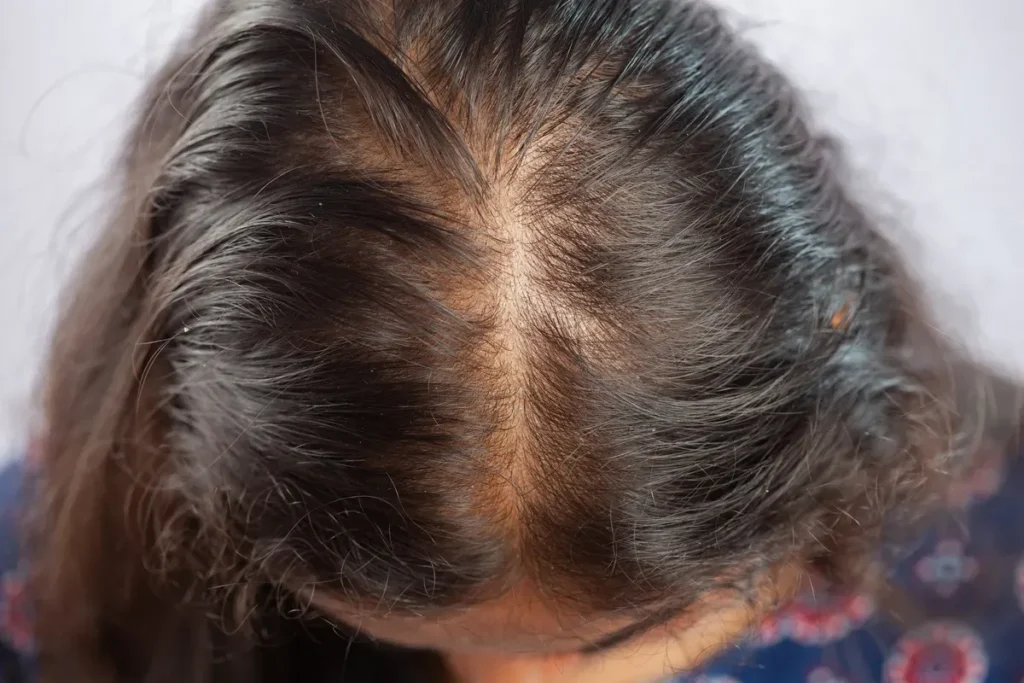
Starting minoxidil treatment can lead to an initial shedding phase. This can be scary and make people think it’s causing their hair loss.
What Is the Minoxidil Shedding Phase?
The minoxidil shedding phase is a temporary condition. It makes users shed more hair. This usually starts 2 to 4 weeks after starting treatment and can last for several weeks.
The shedding phase is a normal part of the hair growth cycle when using minoxidil. It’s important to know this phase is not a sign of hair loss. It shows the treatment is working.
Statistics on Minoxidil Shedding
Many minoxidil users go through the shedding phase. Up to 40% may experience it. By month 3, shedding should slow down. By month 6, hair should look thicker and fuller.
Timeline of the Shedding Phase
The shedding phase follows a predictable timeline. It starts 2 to 4 weeks after starting minoxidil. It can last 2 to 8 weeks, depending on the hair cycle.
It’s important to be patient and keep using minoxidil. The shedding phase is temporary and comes before hair growth. By sticking with the treatment, users can see the best results.
Conclusion: Why Minoxidil Shedding Is Actually a Positive Sign
Minoxidil shedding is common, often seen in the early stages of treatment. Shedding from Rogaine, a minoxidil brand, can seem scary. But, it’s a sign that the treatment is working, not failing.
Many wonder if minoxidil causes shedding or if Rogaine leads to hair loss. Yes, it does cause shedding, but it’s temporary. This shedding usually lasts 2 to 8 weeks. Shedding after just one week is normal and shows the treatment is restarting the hair growth cycle.
The shedding phase is a normal part of the hair growth cycle restart. It’s important to remember that minoxidil doesn’t cause permanent hair loss. Instead, it makes the scalp healthier, leading to better hair growth. Knowing that shedding is a positive sign can help users stay on track with their treatment.
FAQ
Minoxidil and Initial Hair Loss
Minoxidil does not cause permanent hair loss, but it frequently triggers a temporary period of increased shedding when you first start the treatment. This occurs because the medication accelerates the hair growth cycle, pushing out old, thin hairs to make room for new, stronger strands to grow in their place.
The Minoxidil Shedding Phase
The shedding phase is a well-documented physiological response where resting hair follicles are stimulated to enter the active growth phase simultaneously. During this transition, the existing hair shafts are released from the scalp, which can lead to a noticeable but temporary increase in daily hair fall.
Duration of the Shedding Phase
For most users, the minoxidil shedding phase typically begins two to eight weeks after starting the treatment and lasts for approximately two to four weeks. Once the scalp adjusts to the medication and the new growth cycle takes hold, the excessive shedding subsides and is replaced by visible regrowth.
Shedding as a Positive Sign
Shedding is actually a positive clinical sign that the minoxidil is successfully interacting with your hair follicles and altering their growth rhythm. It indicates that the follicles are responsive to the medication and are actively clearing out “end-of-life” hairs to begin a more robust and healthy growth cycle.
Commonality of Shedding
While not every user experiences a dramatic “dread shed,” a mild to moderate increase in hair fall is very common among those using minoxidil or Rogaine. Statistics suggest a significant portion of users will notice some level of increased thinning during the first two months before the density begins to improve.
Rogaine and Hair Thinning
Rogaine, the brand-name version of minoxidil, functions exactly the same way and can cause an initial period of thinning as it resets the follicular clock. This is a standard part of the drug’s mechanism of action and should not be mistaken for the treatment making your hair loss worse in the long term.
Long-Term Hair Retention
You will not lose your hair permanently by using minoxidil; instead, you are likely to see an increase in overall density after the initial adjustment period. However, it is important to note that if you stop using the product entirely, any hair gained or maintained by the medication will eventually be lost over several months.
What Happens During Shedding
During the shedding phase, the hair follicles shift from the telogen (resting) phase directly into the anagen (growth) phase, causing the old club hairs to detach. This process is essentially a “spring cleaning” for your scalp, ensuring that the follicles are primed to produce thicker, more pigmented hair shafts.
References
National Center for Biotechnology Information. Evidence-Based Medical Insight. Retrieved from https://pubmed.ncbi.nlm.nih.gov/40122142/