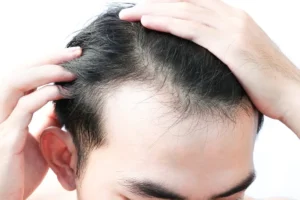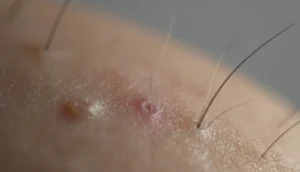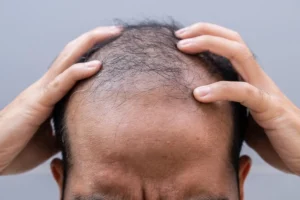
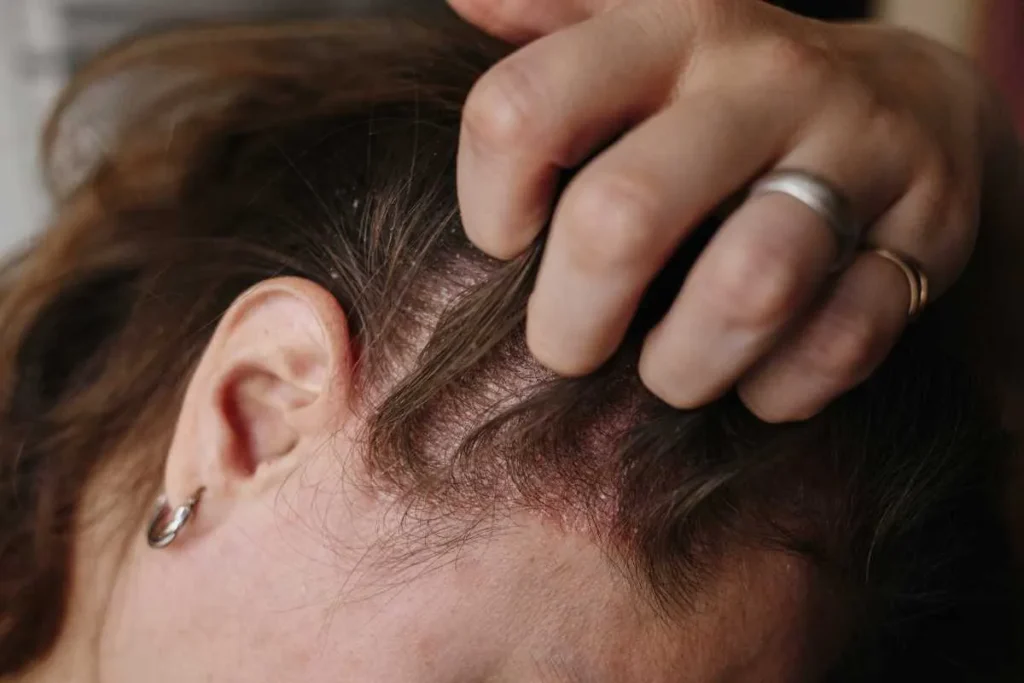
Seborrhea, also known as seborrheic dermatitis, is a chronic skin condition. It affects areas with lots of sebaceous glands.
It leads to flaky, scaly, greasy, and sometimes itchy patches. These patches can appear on the scalp, face, nose, chest, and beard. It causes discomfort and distress for those affected.
It’s important to understand the causes, symptoms, and treatment options for seborrheic dermatitis. This knowledge helps manage and relieve symptoms effectively.
Key Takeaways
Seborrhea is a chronic inflammatory skin condition.
It affects areas rich in sebaceous glands, such as the scalp and face.
Common symptoms include flaky, scaly, and itchy patches.
Understanding the causes and symptoms is key for effective management.
Treatment options are available to provide relief from symptoms.
What Is Seborrhea: Definition and Overview
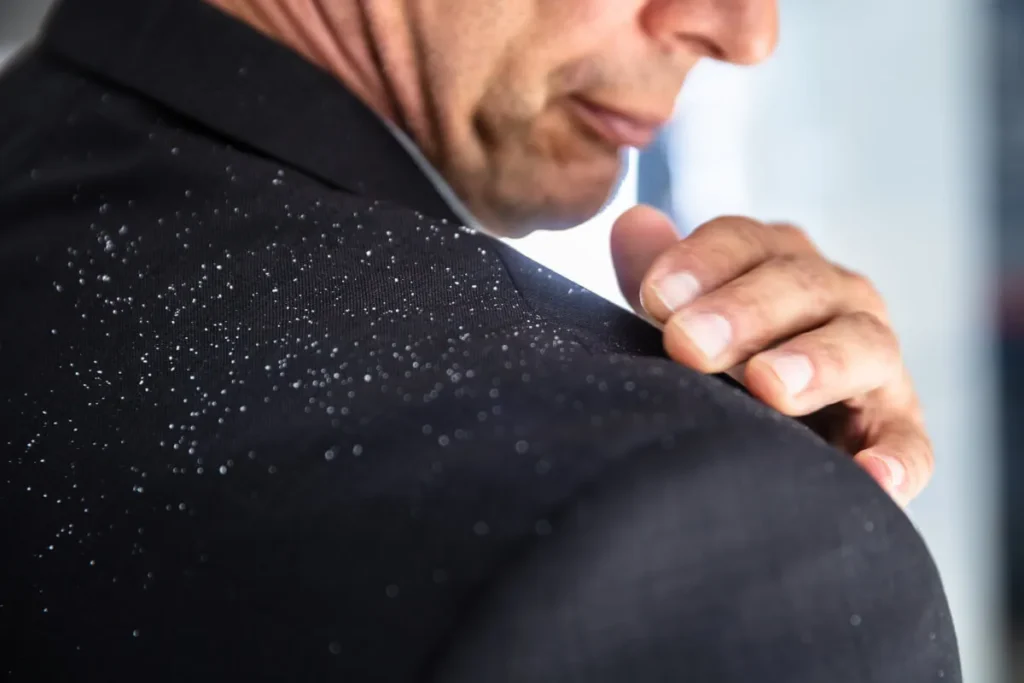
Seborrhea is a common skin condition that is often misunderstood. It is caused by an inflammatory response and the growth of Malassezia yeast on the skin.
Medical Definition and Classification
Seborrhea, also known as seborrheic dermatitis, is a chronic skin issue. It mainly affects areas with lots of sebaceous glands, like the scalp, face, and torso. It’s classified as a type of dermatitis and causes scaly, itchy, and red skin.
This condition is complex, involving genetics, environment, and hormones. Knowing its medical definition and classification is key to managing it effectively.
Seborrhea vs. Seburia: Understanding the Difference
Many people confuse seborrhea with seburia, which is about too much sebum. But they are different. Seborrhea has an inflammatory response, while seburia is about how much sebum is produced.
Prevalence and Demographics
Seborrheic dermatitis affects 3% to 5% of people worldwide. It’s more common in certain groups, like infants, teenagers, and adults between 30 and 60. African-Americans are also more likely to get it, at about 6.5%.
Knowing who is more likely to get seborrhea helps in finding the right treatments and prevention strategies.
Symptoms and Causes of Seborrhea
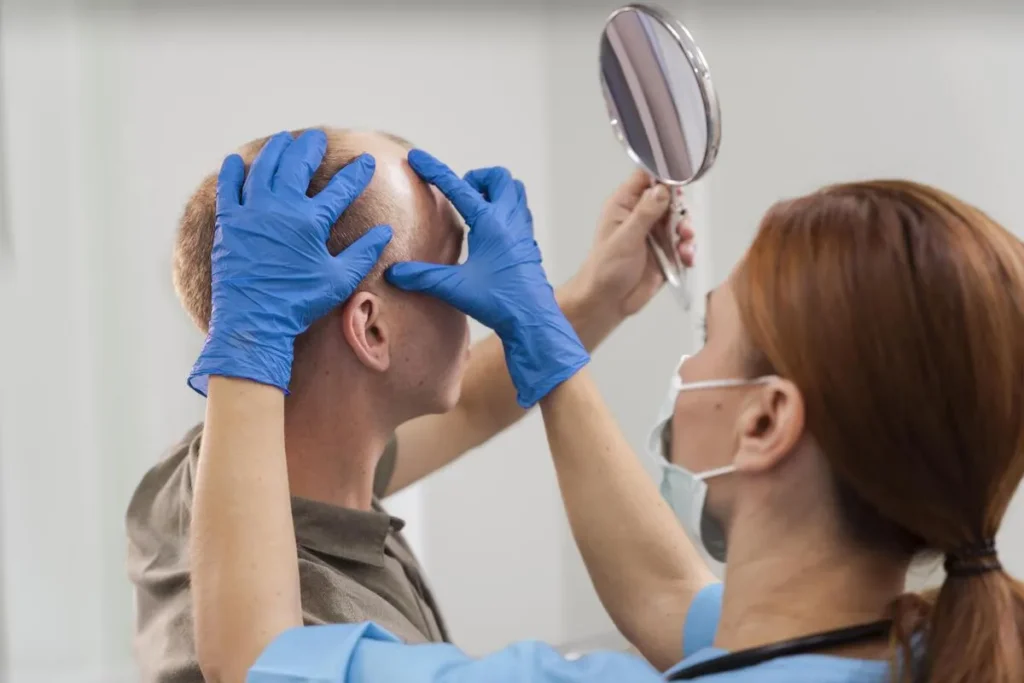
It’s important to know the symptoms and causes of seborrhea to manage and treat it well. Seborrhea is a skin condition that can show up in different ways, affecting different parts of the body.
Common Symptoms and Affected Areas
Seborrhea can cause flaking skin or dandruff, burning or itching, and white or yellow scales on greasy skin. It can also lead to a light or dark brown rash. The scalp, face, and torso are often affected.
Symptoms can vary in severity and may include redness and irritation. In babies, it can show up as cradle cap, a thick, yellow crust on the scalp.
Primary Causes
The main cause of seborrhea is the overgrowth of Malassezia yeast, a fungus on the skin. This, along with genetics and environmental factors, leads to seborrhea.
Risk Factors and Exacerbating Conditions
Stress, hormonal changes, and harsh hair products can make seborrhea worse. Cold, dry weather can also trigger or worsen symptoms.
Treatment and Management Options
Managing seborrhea well needs a mix of treatments. The aim is to ease symptoms, stop flare-ups, and make life better for those with this condition.
Over-the-Counter Solutions
First, try over-the-counter (OTC) treatments. These include creams, shampoos, and corticosteroids. Ketoconazole is a key antifungal that fights fungal infections that make seborrhea worse.
Shampoos with zinc pyrithione or salicylic acid can cut down on flaking and swelling. Always read the instructions and talk to a doctor if your symptoms don’t get better.
Prescription Treatments
For serious seborrhea, you might need prescription meds. These include stronger steroids, calcineurin inhibitors, or oral antifungals. Prescription-strength medicated shampoos are also used for scalp seborrhea.
Doctors might give you oral antifungals for widespread or severe seborrhea. Stick to your treatment plan and go to all your follow-up appointments to see how it’s working.
Lifestyle Changes and Prevention Strategies
Medical treatments aren’t the only answer. Making lifestyle changes can also help. Use gentle cleansers and keep your scalp clean. Washing your hair and scalp with medicated shampoo regularly can control flaking and swelling.
Avoid harsh products and try to reduce stress. Eating well and exercising can also boost your skin health and lessen seborrhea symptoms.
Conclusion
Seborrhea, also known as seborrheic dermatitis, is a chronic skin condition. It causes inflammation and flaky skin. Getting the right diagnosis and treatment is key to managing it and stopping flare-ups.
Recent studies show that with the right treatment, symptoms can be controlled. There are many options, from over-the-counter products to prescription treatments and lifestyle changes.
In short, seborrhea is a condition that can be managed. Knowing its causes, symptoms, and treatments helps people control it. This improves their life quality, reducing symptoms like aborrhea or enorrhea, and sometimes related conditions like ebhorea.
FAQ
Understanding Seborrhea
Seborrhea refers to the excessive secretion of sebum by the sebaceous glands, though the term is often used interchangeably with seborrheic dermatitis. While seborrhea technically describes the oily state of the skin, seborrheic dermatitis is the inflammatory reaction that follows, characterized by red, scaly, and itchy patches in areas where oil glands are most active.
Seborrhea vs. Seburia
The term seburia is an archaic or rare medical synonym for seborrhea, referring to the same condition of overactive oil glands. In modern clinical practice, you will almost exclusively hear the term seborrhea or seborrheic dermatitis, as “seburia” has largely fallen out of common medical use.
Common Symptoms
The signs of seborrhea vary depending on the severity but typically include greasy-looking, yellowish or white scales on the scalp and face. You may also notice persistent itching, visible redness (erythema), and “dandruff” flakes that can be found in the hair, eyebrows, or beard.
Primary Causes
Seborrhea is caused by a combination of genetics, overactive oil glands, and an inflammatory response to Malassezia, a yeast-like fungus that lives naturally on the skin. Environmental triggers such as cold, dry weather, high stress levels, and hormonal fluctuations can also prompt the oil glands to overproduce, feeding the yeast and worsening the inflammation.
Treatment Methods
Treatment usually begins with over-the-counter antifungal shampoos containing ketoconazole, selenium sulfide, or zinc pyrithione. For flare-ups on the face or body, dermatologists often prescribe topical steroids to reduce inflammation or antifungal creams to lower the yeast population on the skin’s surface.
Curability and Contagion
There is no permanent cure for seborrhea, but it is a highly manageable chronic condition that often enters long periods of remission with proper care. It is not contagious; you cannot catch it from another person or spread it through physical contact, as the triggers are internal and related to your unique skin chemistry.
Body Locations
Besides the scalp, seborrhea frequently occurs on the “T-zone” of the face (eyebrows, nose, and forehead), behind the ears, and in the ear canal. It can also appear on the chest, between the shoulder blades, and in skin folds such as the armpits, groin, or under the breasts where moisture and oil tend to accumulate.
Preventing Flare-ups
To prevent flare-ups, maintain a consistent cleansing routine to remove excess oil and avoid using heavy, oil-based styling products or greasy moisturizers. Managing stress, getting adequate sleep, and using a medicated shampoo once or twice a week as a maintenance tool can significantly reduce the frequency of outbreaks.
References
National Center for Biotechnology Information. Evidence-Based Medical Insight. Retrieved from https://www.ncbi.nlm.nih.gov/books/NBK551707/