If you’re worried that seborrheic dermatitis is contagious, you can relax. This common skin issue cannot spread from person to person.
Knowing this important fact can help you stop worrying about passing it to others. Sources confirm that seborrheic dermatitis is not contagious.
Key Takeaways
Seborrheic dermatitis is not contagious.
You cannot spread it to others through contact.
It’s a common skin condition with various triggers.
Accurate diagnosis is key for effective management.
Consult a healthcare professional for personalized advice.
Understanding Seborrheic Dermatitis
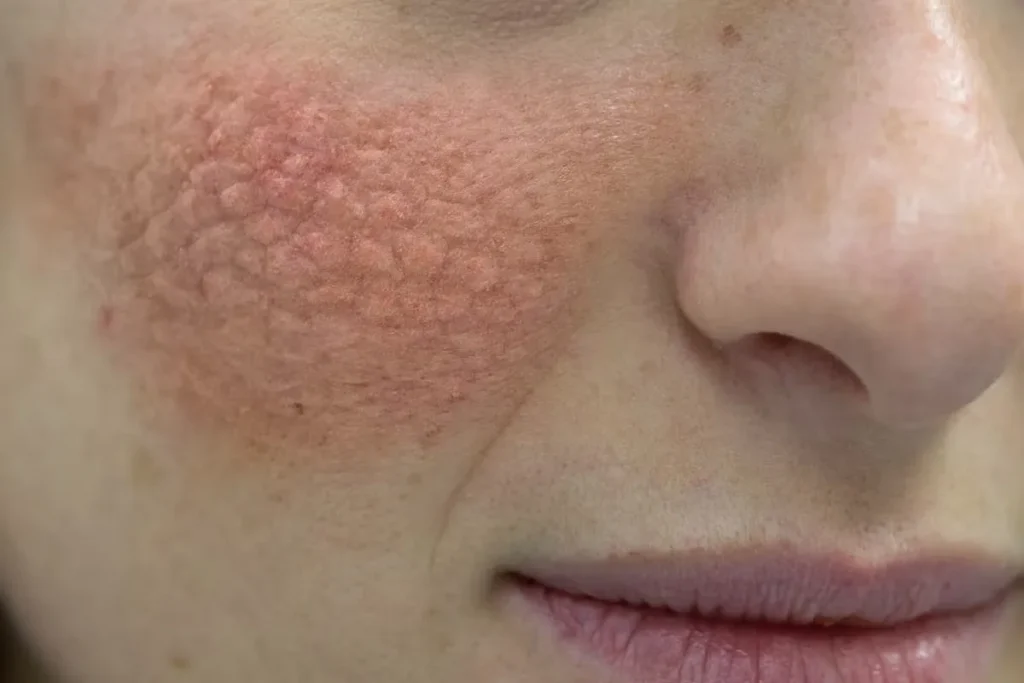
Seborrheic dermatitis is a common skin issue. It shows up in certain ways and affects some groups more. It’s a long-term inflammation that hits areas with lots of oil glands.
What Is Seborrheic Dermatitis?
Seborrheic dermatitis causes a red, itchy rash. It often shows up on the scalp but can also hit the face, ears, and chest. The cause is not fully known, but stress, a weak immune system, and a skin yeast called Malassezia play a role.
Common Symptoms and Affected Areas
Symptoms of seborrheic dermatitis vary but often include red patches, oily scales, and itchiness. The condition can come and go. It usually affects the scalp, face, and ears.
Managing symptoms is possible. Keeping the affected areas clean and using special shampoos or creams can help.
Prevalence and Demographics
About 4% of adults have seborrheic dermatitis, with more men than women affected. It’s common in adults 30 to 60 and in babies under three months.
Knowing who it affects and how it shows up is key for diagnosis and treatment.
Is Seborrheic Dermatitis Contagious?
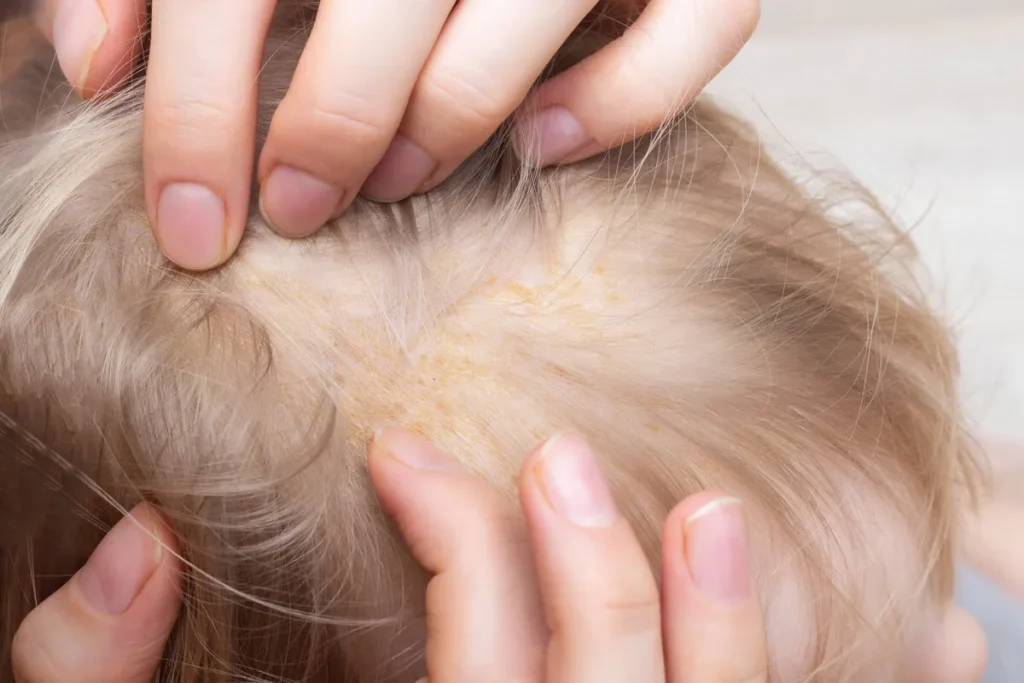
Many people wonder if seborrheic dermatitis is contagious. This skin condition causes a red, itchy rash, often on the scalp. It can also show up on other oily parts of the body.
Non-Contagious Nature
Seborrheic dermatitis is not contagious. You can’t catch it from someone else. This is good news for those with the condition, as it means they can’t spread it to others.
The exact cause of seborrheic dermatitis is not fully known. But it’s thought to involve Malassezia yeast, how susceptible you are, and your environment.
Appearance in Multiple Body Areas
Seborrheic dermatitis can show up in many places, not just the scalp. It often hits the face, ears, and chest. This is because of oil glands, as the condition is linked to sebum production.
The scalp is a common area due to its high concentration of sebaceous glands.
The face, specially the eyebrows and sides of the nose, can be affected.
Ears and the ear canal are also prone to seborrheic dermatitis.
Knowing that seborrheic dermatitis is linked to sebaceous glands helps explain why it shows up in different areas.
Common Misconceptions
There are many wrong ideas about seborrheic dermatitis. Some think it’s contagious or caused by poor hygiene. But it’s not from being dirty or not washing enough.
Clearing up these wrong ideas helps people with seborrheic dermatitis understand their condition better. They can then seek the right treatment without worrying about being contagious.
Managing Seborrheic Dermatitis
Managing seborrheic dermatitis means knowing it’s a long-term issue. It’s important to treat it and make lifestyle changes. This helps in planning a good management plan.
Chronic Nature and Flare-up Patterns
Seborrheic dermatitis is a long-term condition. Symptoms can change from better to worse. Identifying triggers like stress or cold weather helps manage it.
Medical Expert, “Seborrheic dermatitis is a chronic condition that requires ongoing management.”
Treatment Approaches
There are many ways to manage seborrheic dermatitis, including:
Antifungal treatments to control yeast overgrowth
Corticosteroid creams or ointments to reduce inflammation
Medicated shampoos for scalp involvement
Treatment selection depends on how bad the symptoms are. For mild cases, antifungal treatments work well. Corticosteroids are used for more severe cases.
Lifestyle Adjustments for Symptom Control
Making lifestyle adjustments helps manage seborrheic dermatitis. Use gentle skin care, avoid harsh products, and eat well.
Combining medical treatments with lifestyle changes helps control seborrheic dermatitis. This reduces flare-ups.
Conclusion
It’s important to know if seborrheic dermatitis is contagious. This helps manage the condition and ease worries about it spreading. Seborrheic dermatitis is not contagious. It’s a chronic skin issue that causes flaky, itchy skin, often on the scalp. It can also show up in other oily body areas.
This condition isn’t spreadable, so people with it don’t risk passing it to others. It’s caused by genetics, environment, and hormones. To manage it, a mix of medical treatments and lifestyle changes is key.
Knowing seborrheic dermatitis isn’t contagious lets people focus on treating it. Using medicated shampoos, staying clean, and avoiding triggers can help. If symptoms don’t get better, seeing a dermatologist for a custom plan is a good idea.
In short, seborrheic dermatitis is a condition that can be managed. Knowing it’s not contagious helps reduce worries. With the right treatments and lifestyle changes, people can control their symptoms and live better.
FAQ
Contagion and Safety
Seborrheic dermatitis is not contagious and cannot be passed from person to person through physical contact or shared items like hats and brushes. It is an inflammatory reaction to a yeast (Malassezia) that already lives on everyone’s skin, meaning the condition is a result of your unique immune response rather than an external infection.
Spreading to the Face
While the condition doesn’t “spread” like a virus, it frequently appears on the face because the facial skin also contains a high density of oil glands. It is very common for individuals with scalp involvement to also develop redness and scaling on the eyebrows, the sides of the nose, and behind the ears, as the underlying yeast thrives in all of these oily environments.
Appearance in Multiple Areas
Seborrheic dermatitis appears in multiple body areas because it targets “seborrheic zones”—places where sebaceous (oil) glands are most active. This includes the scalp, face, center of the chest, and upper back; if your body is prone to this inflammatory reaction, any area that produces significant sebum is a potential site for a flare-up.
Identifying Scaly Patches
A scaly patch on the scalp is not always seborrheic dermatitis, as it can be easily confused with other conditions like scalp psoriasis or tinea capitis (ringworm). Psoriasis typically has thicker, more “silvery” scales, while seborrheic dermatitis scales are usually yellowish and greasy; a dermatologist can confirm the diagnosis through a visual exam or a skin scraping.
Itching and Sensation
Seborrheic dermatitis is frequently itchy, and for some, the sensation can be quite intense and bothersome during a flare-up. In addition to the itch, the affected skin may feel tight, sore, or even have a slight burning sensation, especially if the inflammation is severe or if the skin has been irritated by scratching.
Prevalence of the Condition
Seborrheic dermatitis is extremely common, affecting approximately 3% to 5% of the general population, with a milder version (dandruff) affecting nearly half of all adults. It tends to peak during infancy (cradle cap), puberty, and again in middle age, often being more prevalent in men than in women due to higher androgen-driven oil production.
Treatment Availability
The condition is highly treatable and can be kept under control with a combination of antifungal shampoos and topical anti-inflammatory medications. While there is no permanent “cure,” most people can achieve clear skin by using maintenance treatments like ketoconazole or zinc pyrithione shampoos once or twice a week.
Lifestyle Management
Managing stress is a key lifestyle change, as high cortisol levels can trigger the oil production that feeds the yeast. Additionally, avoiding heavy, oil-based hair products and maintaining a regular cleansing routine to prevent sebum buildup can significantly reduce the frequency and severity of future flare-ups.
References
National Center for Biotechnology Information. Evidence-Based Medical Insight. Retrieved from https://pubmed.ncbi.nlm.nih.gov/10733649/