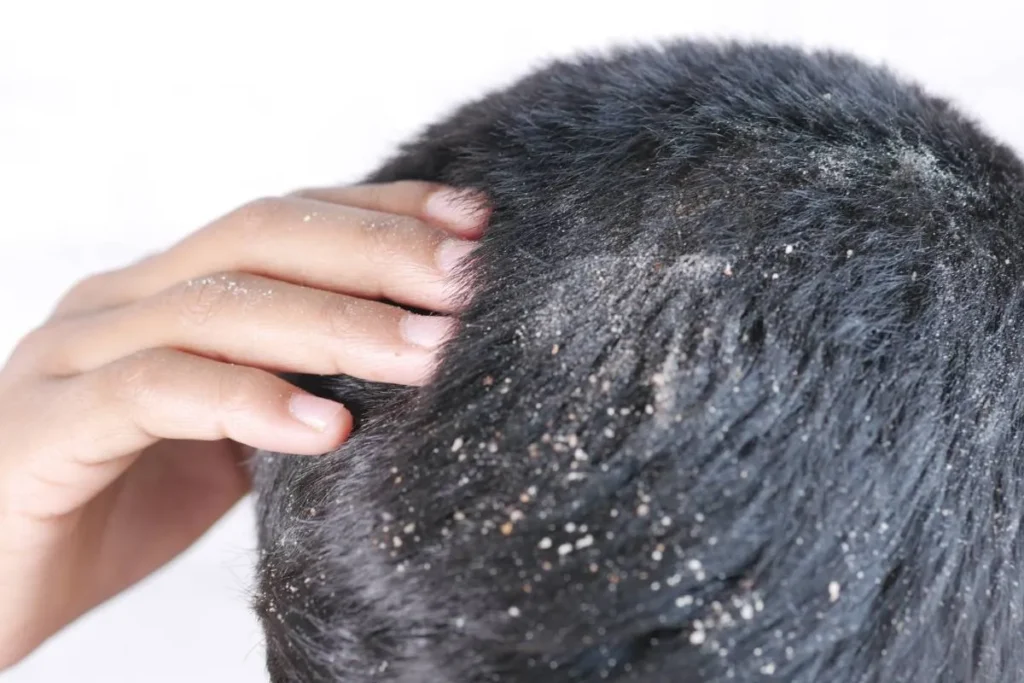
Distinguishing between psoriasis and dandruff is key for the right treatment. Both can make your scalp flake and itch. But, they start from different causes.
Is it psoriasis dandruff? Discover the scary truth revealed about your scalp and learn amazing, powerful ways to find incredible relief now.
More than half of people with psoriasis see it on their scalp. It shows up as raised, discolored patches. The Medical organization says scalp psoriasis is an autoimmune disease. Knowing the difference is vital for relief.
Key Takeaways
Psoriasis and dandruff are two distinct scalp conditions.
Scalp psoriasis is an autoimmune condition causing raised patches.
Accurate diagnosis is key for effective treatment.
Over 50% of individuals with psoriasis experience scalp involvement.
Understanding the difference is key to finding relief.
Understanding Psoriasis and Dandruff: Causes and Prevalence
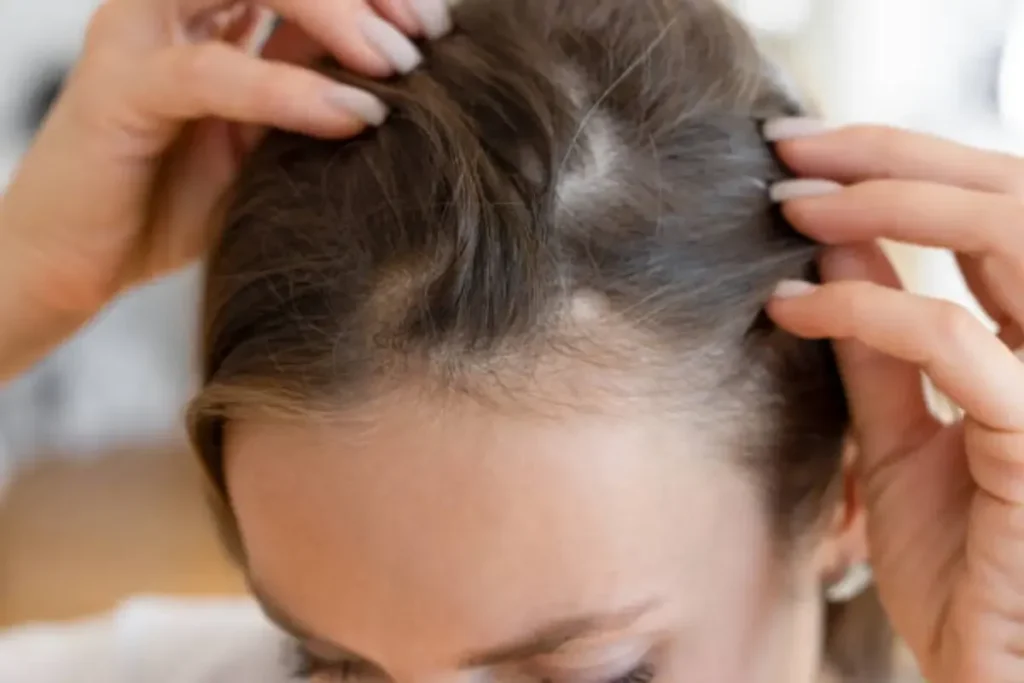
To understand the difference between psoriasis and dandruff, we need to look at their causes. Both affect the scalp but in different ways.
Psoriasis: An Autoimmune Condition
Psoriasis is an autoimmune condition. It happens when the immune system attacks healthy skin cells. This makes new skin cells grow too fast, causing scales and irritation on the scalp.
The exact cause of psoriasis is not fully known. But it’s believed to be a mix of genetics and environment. The National Psoriasis Foundation says people with a family history are more likely to get it.
Dandruff: A Fungal Reaction
Dandruff is linked to a fungal reaction. Yeast growing too much on the scalp can cause dandruff. This leads to flakes, itchiness, and irritation.
Stress, dry skin, and some hair care products can make dandruff worse. Unlike psoriasis, dandruff is not an autoimmune condition. It’s a scalp issue that can be affected by many things.
How Common Are These Conditions?
Psoriasis and dandruff are both common. Psoriasis affects about 2-3% of the world’s population, with scalp psoriasis being very common. Dandruff, on the other hand, affects up to 50% of people at some point.
Both conditions can be managed with the right treatment. Knowing their causes and how common they are is key to managing them well. For mild psoriasis, the National Psoriasis Foundation suggests home treatments.
In summary, psoriasis and dandruff both affect the scalp but in different ways. Psoriasis is an autoimmune condition with a genetic link. Dandruff is caused by a fungal reaction and external factors.
Distinguishing Between Psoriasis and Dandruff
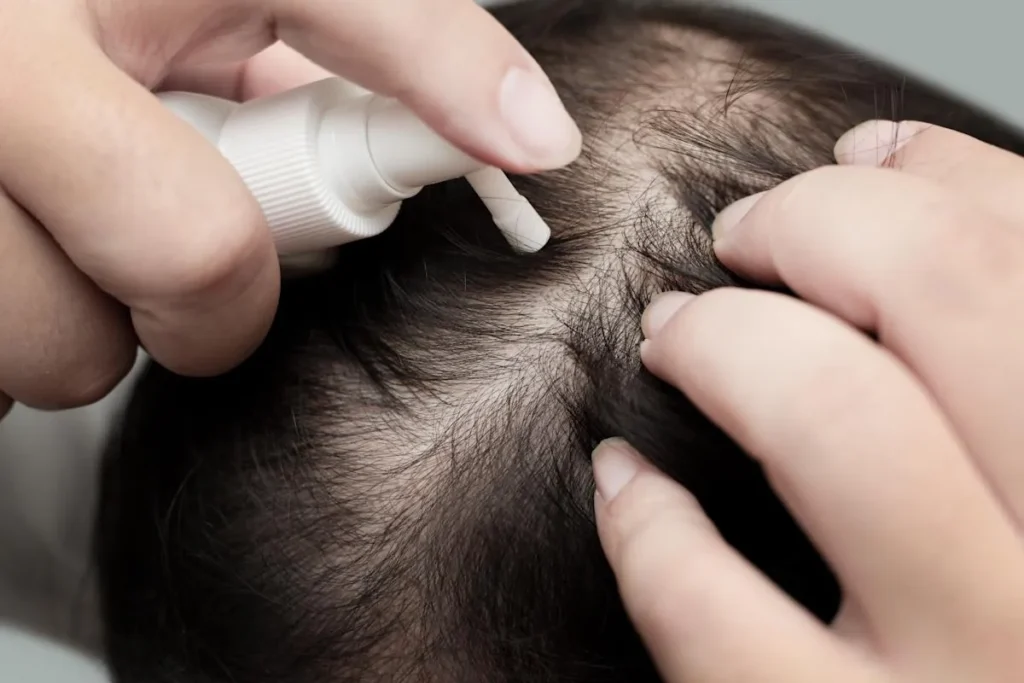
Psoriasis and dandruff have different causes, symptoms, and effects on the scalp. Knowing these differences is key for the right diagnosis and treatment.
Color and Texture Differences
Psoriasis and dandruff look different. Psoriasis has thicker, silvery scales. Dandruff has smaller, white or yellow flakes. Dandruff is usually white or yellow, and can be red if the scalp is irritated.
Location and Spread Patterns
Psoriasis can spread beyond the scalp to other areas like elbows, knees, or lower back. Dandruff stays confined to the scalp. Scalp psoriasis can cause thicker scales and more redness.
Chronic vs. Temporary Nature
Psoriasis is a chronic autoimmune condition that needs ongoing care. Dandruff is usually a temporary or recurring condition that can be managed with over-the-counter treatments. It’s important to understand psoriasis is chronic for a long-term treatment plan.
Scalp Psoriasis vs. Dandruff: Diagnosis and Symptoms
It’s important to know the difference between scalp psoriasis and dandruff. Both affect the scalp but have different causes, symptoms, and treatments.
Key Symptoms of Scalp Psoriasis
Scalp psoriasis shows up as thick, red patches with silvery scales. These patches can itch and hurt. In bad cases, it can cause hair loss because of the scaling and inflammation.
Redness and Inflammation: The scalp turns red and inflamed because of an autoimmune response.
Thick Scales: Scalp psoriasis scales are thicker and stickier than dandruff.
Potential Hair Loss: The inflammation can cause temporary hair loss.
Identifying Dandruff Symptoms
Dandruff is marked by flakes of dead skin on the scalp and itchiness. Unlike psoriasis, dandruff is caused by a fungal reaction, not an autoimmune issue.
Flaky Scalp: You’ll see white or yellowish flakes on your scalp.
Itchiness: The scalp can itch, causing discomfort.
Mild Redness: The scalp might get a bit red, but it’s not as bad as psoriasis.
When to Consult a Dermatologist
If your symptoms don’t go away or get worse, see a dermatologist. They can look at your scalp, check your medical history, and give a diagnosis.
Here are reasons to see a dermatologist:
Persistent itching and flaking
Severe redness and inflammation
Hair loss due to scalp scaling
Not sure what you have
Getting a diagnosis and treatment early can help manage both scalp psoriasis and dandruff. It can reduce symptoms and improve your life quality.
Conclusion
It’s important to know the difference between dandruff and scalp psoriasis. Both affect the scalp but have different causes. They need different treatments to feel better.
Getting a correct diagnosis is key. Knowing the difference helps find the right treatment. Dandruff and scalp psoriasis look similar but have different symptoms. This helps doctors figure out what you have.
If you have a scalp problem, see a dermatologist. They can tell if it’s psoriasis or dandruff. The right treatment will help manage your symptoms and improve your scalp’s health.
Understanding the difference between dandruff and scalp psoriasis is the first step to managing these conditions. It helps you find relief from scalp problems.
FAQ
Is dry scalp psoriasis?
A dry, flaky scalp can be a symptom of scalp psoriasis, but not all dry scalp is psoriasis.
What’s the difference between psoriasis and dandruff?
Psoriasis causes thick, red, scaly patches, while dandruff usually involves white or yellow flakes without significant redness.
What color is dandruff?
Dandruff flakes are typically white or yellowish.
Is it dandruff or psoriasis?
Psoriasis often appears as thick, silvery scales on red patches; dandruff is thinner, loose flakes without redness.
What’s the difference between dandruff and scalp psoriasis?
Psoriasis is an autoimmune condition with inflamed, thick patches, whereas dandruff is usually caused by yeast or oil buildup.
Is scalp psoriasis vs dandruff a common dilemma?
Yes, both can cause flaking, making it hard to distinguish without a proper examination.
Can dandruff be a sign of psoriasis?
Persistent dandruff that doesn’t respond to treatment may sometimes indicate psoriasis.
How can I tell if I have scalp psoriasis or dandruff?
Check for thick, red, scaly patches and persistent itching—psoriasis is usually more inflamed, while dandruff is milder and flaky.
References
National Center for Biotechnology Information. Evidence-Based Medical Insight. Retrieved from https://pubmed.ncbi.nlm.nih.gov/15523367/