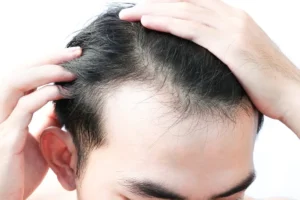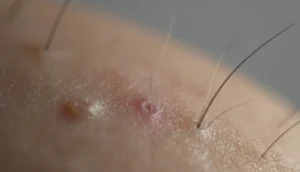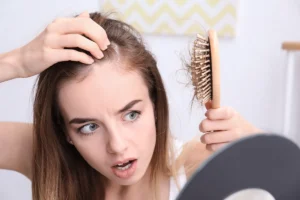
Scarring alopecia is a condition where hair loss is permanent. It happens because inflammation damages hair follicles.
This condition destroys hair follicles, leading to permanent hair loss. Unlike common baldness, scarring alopecia needs early treatment.
Knowing the different types of cicatricial alopecia is key. Each type has its own signs and symptoms.
Key Takeaways
Scarring alopecia causes irreversible hair loss due to inflammation.
Early identification is critical to prevent hair follicle damage.
There are many types of cicatricial alopecia, each unique.
Understanding these types is vital for effective treatment.
Hair loss from scarring alopecia is permanent.
What Is Scarring Alopecia: Definition and Causes
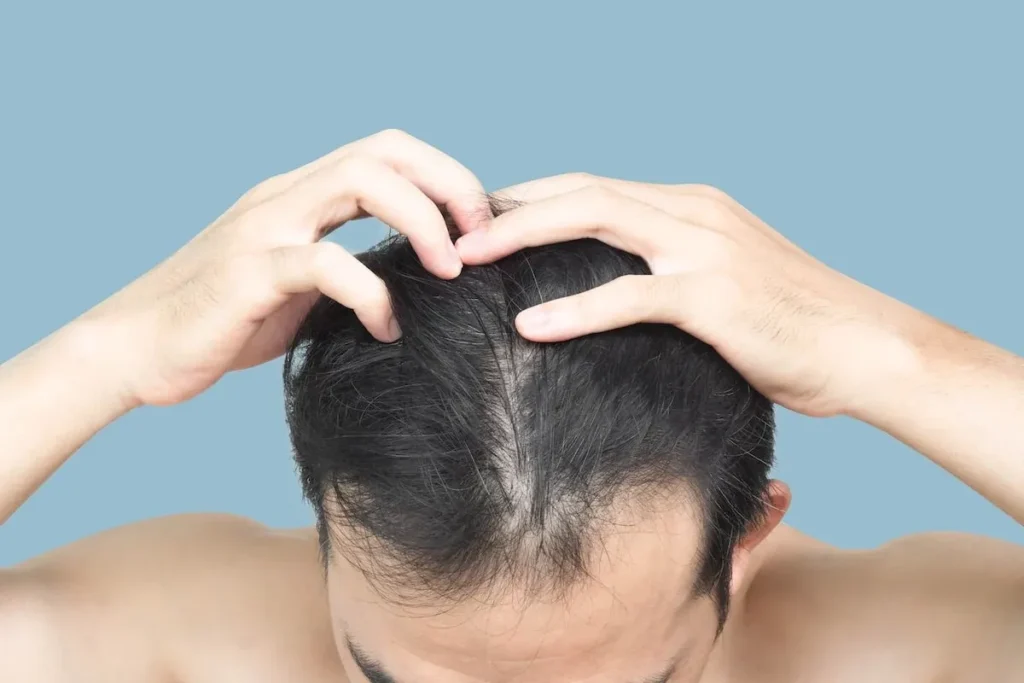
Scarring alopecia is a rare group of disorders that destroy hair follicles, causing permanent hair loss. It is also known as cicatricial alopecia. This condition leads to the inflammation and destruction of hair follicles, causing permanent damage.
Understanding Cicatricial Alopecia
Cicatricial alopecia is another name for scarring alopecia. It means the hair follicles are replaced with scar tissue, leading to permanent hair loss. This condition can be caused by autoimmune diseases, infections, and physical injuries.
Primary vs. Secondary Scarring Alopecia
Scarring alopecia can be divided into primary and secondary types. Primary scarring alopecia directly targets the hair follicle. Secondary scarring alopecia results from other conditions or injuries that damage the hair follicle.
Risk Factors and Prevalence
Several factors can increase the risk of scarring alopecia. These include genetic predisposition, autoimmune diseases, and external injuries. Scarring alopecia is considered rare, but understanding the risk factors is key for early diagnosis and treatment.
Genetic predisposition
Autoimmune diseases
Infections and inflammatory conditions
Physical injuries to the scalp
Early identification and treatment of scarring alopecia are critical. They help prevent further hair loss and promote scalp health.
Identifying Different Types of Scarring Alopecia
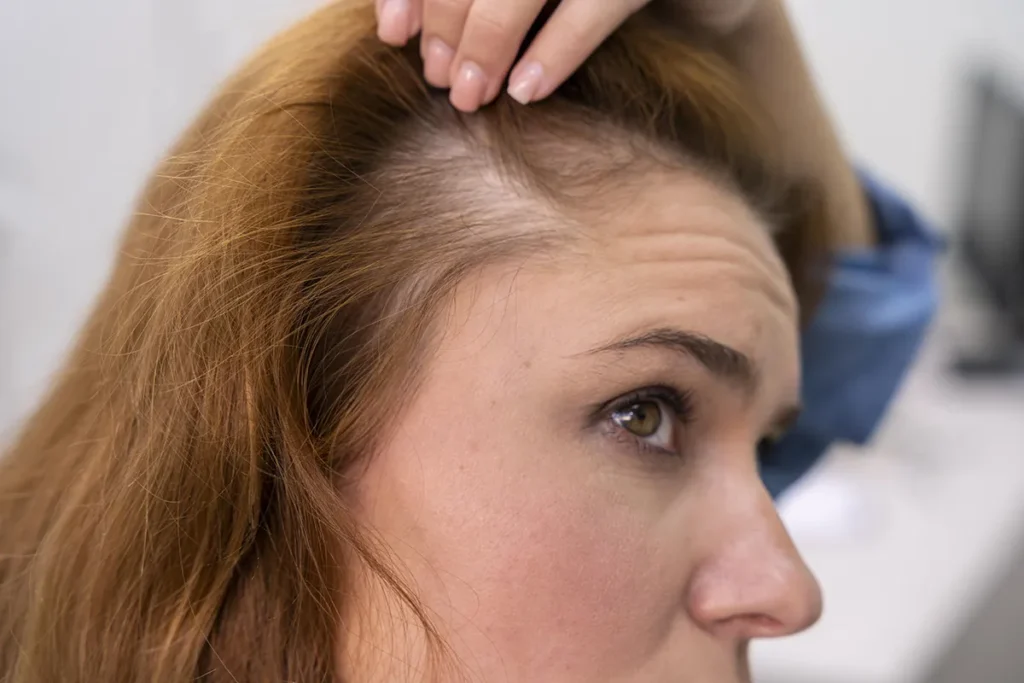
It’s important to know the different types of scarring alopecia for the right treatment. These conditions cause permanent hair loss by damaging hair follicles.
Central Centrifugal Cicatricial Alopecia (CCCA)
CCCA mainly hits African American women, starting at the crown. It leads to hair loss over time, sometimes with scalp itching or burning. The cause is not fully known but might be linked to hair care practices.
Lichen Planopilaris (LPP)
LPP is an autoimmune disease that causes hair follicle inflammation. This leads to scarring and permanent hair loss. It can happen anywhere on the scalp and is common in middle-aged women.
Frontal Fibrosing Alopecia (FFA)
FFA is a type of LPP that mainly affects postmenopausal women. It causes hair loss along the hairline. The exact cause is unknown but might be related to hormonal changes.
Other Common Types
Other types of scarring alopecia include:
Discoid lupus erythematosus: an autoimmune condition that can cause scarring hair loss.
Pseudopelade of Brocq: a rare condition characterized by scarring hair loss without significant inflammation.
Folliculitis decalvans: a condition causing inflammation and scarring, often associated with bacterial infections.
Getting the right diagnosis is key to managing symptoms and stopping hair loss. Treatment plans vary based on the condition and its severity.
Diagnostic Approaches and Medical Evaluation
Diagnosing scarring alopecia is complex. It involves a mix of clinical checks and advanced tools. Getting it right is key to stopping hair loss.
Clinical Examination Techniques
A detailed check-up is the first step. It looks at your medical history and scalp. This helps spot signs of hair loss and scarring.
Clinical examination techniques help tell scarring alopecia apart from other hair loss types.
Scalp Biopsy and Laboratory Tests
Often, a scalp biopsy is needed to confirm the diagnosis. It takes a small scalp tissue sample for study. Blood tests might also be done to check for other health issues.
Trichoscopy and Advanced Imaging
Trichoscopy is a non-invasive way to look at the scalp and hair follicles. Advanced imaging, like confocal microscopy, might also be used for more detailed checks.
When to Seek Professional Help
If you notice hair loss, scalp inflammation, or scarring, get help fast. Early treatment can make a big difference.
Effective Management of Scarring Alopecia
Knowing the different types of scarring alopecia is key for early treatment. Getting medical help quickly is important. It helps manage the condition and stops more hair loss.
Treatment for scarring alopecia depends on the type and how severe it is. If you’re losing hair due to scarring alopecia, seeing a doctor is a must. They can find the best treatment for you.
Female scarring alopecia needs quick action to avoid permanent damage. Spotting the signs and symptoms early helps manage the condition. It also lowers the chance of more hair loss.
FAQ
What is scarring alopecia?
Scarring alopecia is a type of hair loss where hair follicles are permanently destroyed and replaced by scar tissue.
What are the different types of scarring alopecia?
Common types include lichen planopilaris, frontal fibrosing alopecia, discoid lupus, and central centrifugal cicatricial alopecia.
What causes scarring alopecia?
It can be caused by autoimmune disorders, infections, inflammation, or certain skin conditions that damage hair follicles.
How is scarring alopecia diagnosed?
Diagnosis usually involves a dermatologist’s examination, scalp biopsy, and sometimes blood tests to identify underlying causes.
Can scarring alopecia be treated?
Treatment can slow or stop progression using anti-inflammatory medications, corticosteroids, or immunosuppressants, but lost hair usually does not regrow.
What are the symptoms of scarring alopecia?
Symptoms include patchy hair loss, redness, scaling, itching, burning, and tenderness in affected areas.
Is scarring alopecia contagious?
No, it is not contagious.
Can scarring alopecia be prevented?
Early diagnosis and treatment of inflammatory scalp conditions can help prevent or limit scarring, but complete prevention is not always possible.
References
National Center for Biotechnology Information. Evidence-Based Medical Insight. Retrieved from https://pmc.ncbi.nlm.nih.gov/articles/PMC8698437/[1