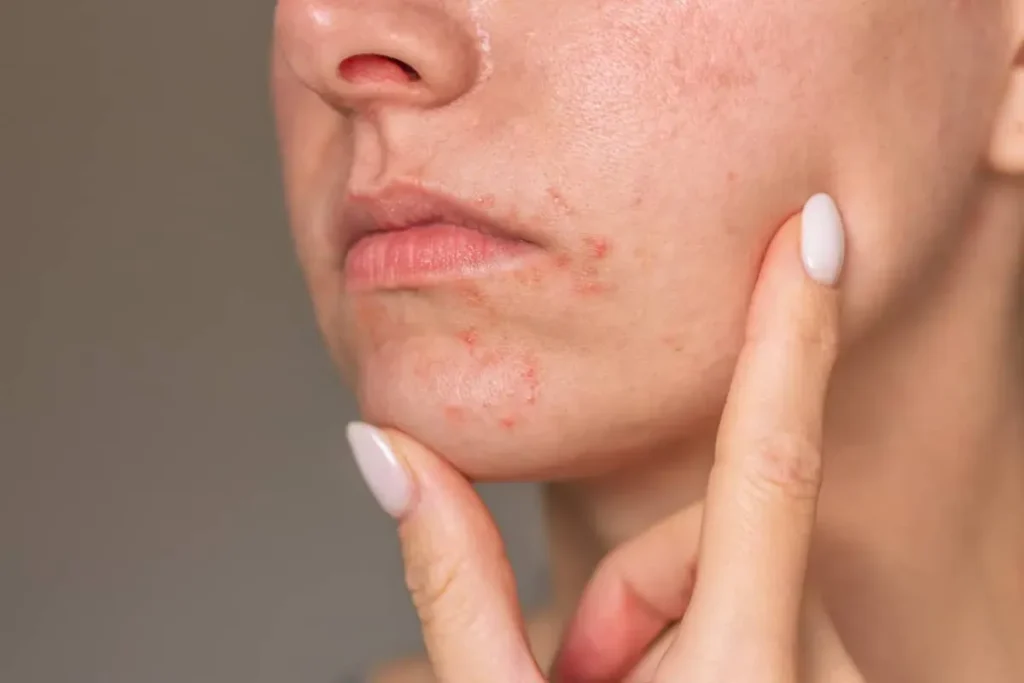
Managing seborrheic dermatitis can be tough, but research shows that dietary changes help a lot.
Master the seb dermatitis diet for amazing food wins. Use powerful, incredible nutrition to stop scary flakes and heal your skin naturally.
Seborrheic dermatitis is a chronic skin issue that affects many people worldwide. Studies show that diet can help manage it.
Learning about the diet-seborrheic dermatitis link helps people understand how food and natural remedies can ease symptoms. Simple diet changes, like eating more fruits and taking certain supplements, can help.
Key Takeaways
Dietary changes can help manage seborrheic dermatitis symptoms.
Increasing fruit consumption can be beneficial.
Targeted supplementation of essential nutrients may reduce symptoms.
A complete diet approach can ease seborrheic dermatitis symptoms.
Natural remedies can be used with dietary changes.
Understanding Seborrheic Dermatitis and Nutrition
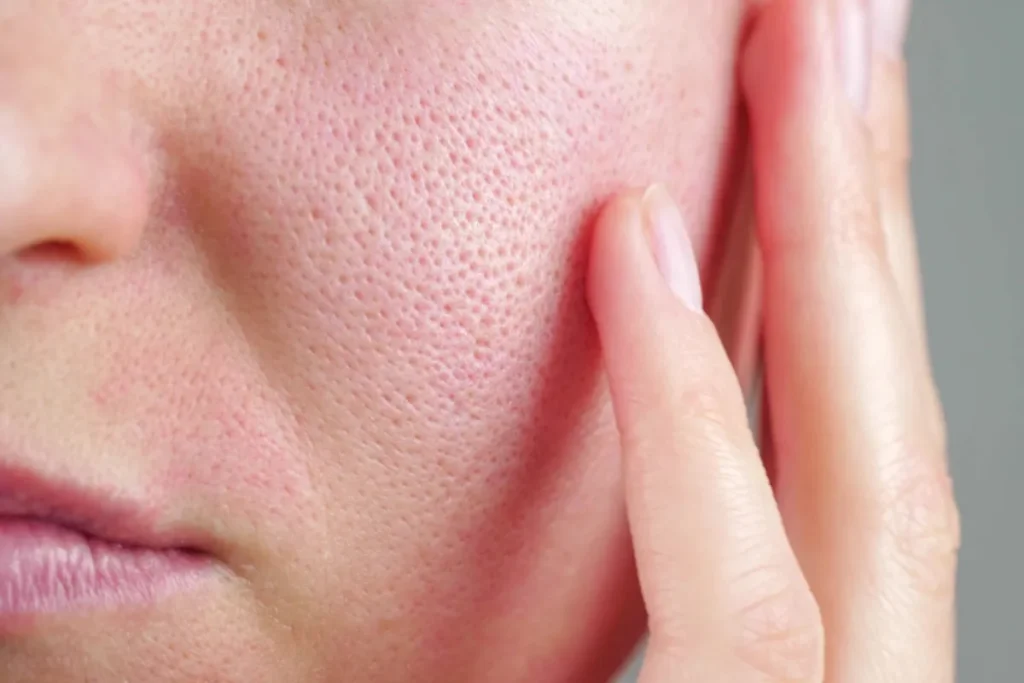
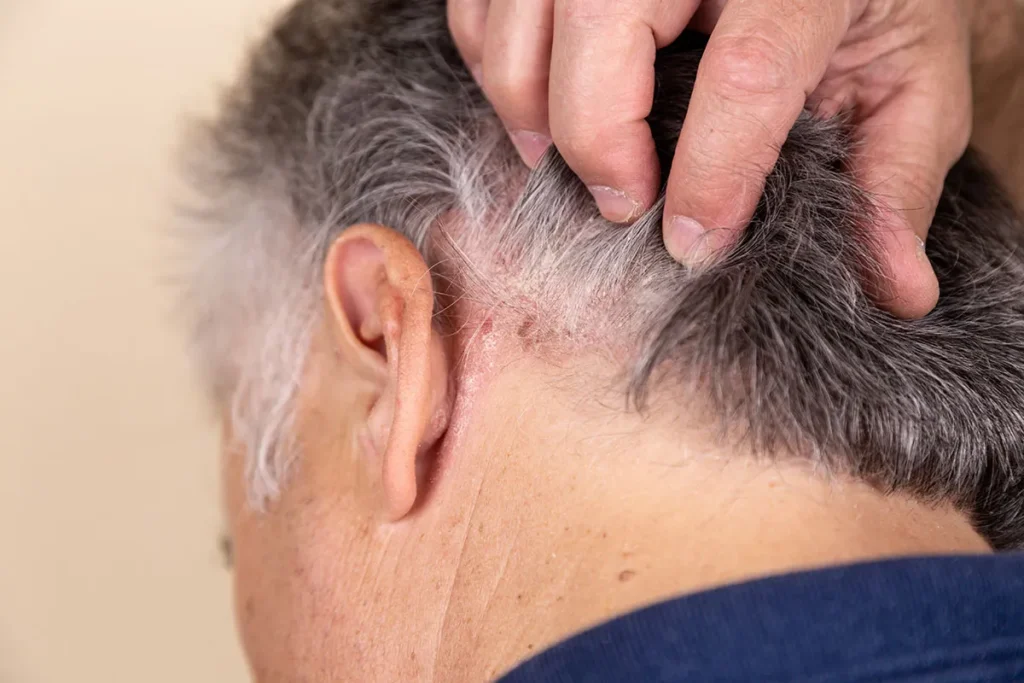
Seborrheic dermatitis is a common skin issue linked to diet and nutritional gaps. It causes inflammation and flaky skin, mainly on the scalp. But it can also show up on other oily body parts.
About 1-10% of people deal with seborrheic dermatitis. This shows it’s a big problem that needs good understanding and treatment plans.
What is Seborrheic Dermatitis and Who Does It Affect?
Seborrheic dermatitis leads to scaly patches, red skin, and stubborn dandruff. It hits areas with lots of oil glands, like the scalp, face, and torso. It can stick around, with times of calm and times of flare-ups.
It hits people of all ages, from babies to adults. Men get it more than women. Stress, cold weather, and some health issues can make it worse.
The Link Between Diet and Skin Inflammation
Diet is key in managing and possibly causing seborrheic dermatitis. Some foods can make inflammation worse, while others can help.
Nutrients that affect seborrheic dermatitis include:
Antioxidants: They cut down on oxidative stress and inflammation.
Omega-3 fatty acids: They’re anti-inflammatory.
Zinc: It’s vital for skin health and fighting off infections.
Vitamin D: It helps control inflammation and the immune system.
Research on Nutritional Deficiencies in Patients
Studies show people with seborrheic dermatitis often have different diets. Lack of certain nutrients can make symptoms worse.
Knowing about these nutritional gaps and adding the right foods can help manage seborrheic dermatitis well.
The Optimal Seb Dermatitis Diet: 7 Beneficial Foods
Managing seborrheic dermatitis well means choosing the right foods. The right diet can ease symptoms and boost skin health.
Antioxidant-Rich Fruits
Fruits high in antioxidants fight oxidative stress, which worsens seborrheic dermatitis. Blueberries, strawberries, and oranges are packed with vitamins C and E. These vitamins protect the skin from harm.
Blueberries: High in antioxidants and vitamin C
Strawberries: Rich in vitamin C and ellagic acid
Oranges: Excellent source of vitamin C
Omega-3 Fatty Acid Sources
Omega-3s have anti-inflammatory effects, reducing seborrheic dermatitis symptoms. Salmon, walnuts, and chia seeds are all good sources.
Salmon: Rich in EPA and DHA
Walnuts: Good source of ALA
Chia Seeds: High in ALA
Zinc-Rich Foods
Zinc is key for skin health, aiding in wound healing and immune function. Eating oysters, beef, and pumpkin seeds can help manage seborrheic dermatitis.
Oysters: High in zinc
Beef: Rich in zinc, best if grass-fed
Pumpkin Seeds: Good plant-based zinc source
Vitamin D Food Sources
Vitamin D is vital for skin health and may help manage seborrheic dermatitis. Fatty fish, fortified dairy products, and mushrooms are all good sources.
Fatty Fish: Salmon and mackerel are good sources
Fortified Dairy: Many dairy products are fortified with vitamin D
Mushrooms: Certain mushrooms like shiitake are rich in vitamin D
Adding these 7 foods to your diet can help lessen seborrheic dermatitis symptoms. It can also improve your skin health overall.
Natural Remedies and Foods to Avoid
It’s key to add good foods to your diet and try natural remedies. Also, know which foods can make seborrheic dermatitis worse. This way, you can handle your symptoms better and keep your skin healthy.
Tea Tree Oil Applications for Symptom Relief
Tea tree oil is great because it fights fungi and bacteria. Mix a few drops with coconut or olive oil and apply it to your skin. Remember to dilute tea tree oil, as it can irritate your skin if used straight.
Studies show tea tree oil can lessen seborrheic dermatitis symptoms. More research is needed, but its benefits are clear. It’s a good addition to your treatment plan.
Aloe Vera Gel Treatments
Aloe vera gel is also helpful for seborrheic dermatitis. It soothes and reduces inflammation. Apply aloe vera gel directly to the affected areas to feel its benefits.
Aloe vera’s anti-inflammatory effects can ease the discomfort of seborrheic dermatitis. It’s a valuable part of managing the condition.
Triphala and Other Beneficial Prebiotics
Triphala is an herbal mix that supports gut health. It’s linked to better skin health because of its prebiotic properties. Always talk to a healthcare professional before adding new supplements.
Other prebiotics, like those in fermented foods or supplements, can also help. They support a healthy gut, which may lessen seborrheic dermatitis symptoms.
Western Diet Foods to Limit
A diet full of processed foods, sugar, and unhealthy fats can make seborrheic dermatitis worse. Try to avoid these foods to reduce symptoms. Foods with a lot of sugar, dairy, and saturated fats can trigger or worsen symptoms.
Processed meats and foods high in sugar
Dairy products, specially for those with sensitivities
Foods high in saturated and trans fats
By watching what you eat and using natural remedies, you can manage seborrheic dermatitis better. This will help improve your skin health.
Conclusion
Seborrheic dermatitis is a long-term skin issue that needs a full approach to manage. By making diet changes and using natural remedies, people can lessen symptoms and live better.
Eating foods high in antioxidants, omega-3s, and zinc is key. Also, staying away from foods that cause inflammation is important.
Tea tree oil, aloe vera gel, and prebiotics like triphala can help too. Mixing these methods helps create a plan that works for each person.
Using these strategies can really help improve how you feel. Knowing about the condition and making smart choices can help you manage it. This way, you can enjoy a better life.
FAQ
Is tea tree oil effective in managing seborrheic dermatitis?
Tea tree oil may help reduce itching, redness, and flaking due to its antifungal and anti-inflammatory properties. It should always be diluted before applying to avoid skin irritation.
What foods should I avoid if I have seborrheic dermatitis?
You should limit sugary foods, refined carbs, fried items, and processed foods, as they can increase inflammation and worsen symptoms.
Can aloe vera gel help soothe seborrheic dermatitis?
Yes, aloe vera gel can calm irritation, reduce redness, and moisturize dry, flaky skin naturally.
Are there any vitamins that can help manage seborrheic dermatitis?
Vitamins B complex, vitamin D, and zinc may support skin health and help reduce inflammation linked to seborrheic dermatitis.
How can I incorporate beneficial foods into my diet to manage seborrheic dermatitis?
Include more fruits, vegetables, whole grains, healthy fats, and probiotic-rich foods in your daily meals to support gut and skin health.
Can dietary changes alone manage seborrheic dermatitis?
Dietary changes can improve symptoms, but they may not completely control the condition without proper skincare or medical treatment.
What are some natural remedies that can help manage seborrheic dermatitis?
Natural remedies like coconut oil, aloe vera, diluted apple cider vinegar, and tea tree oil may help reduce flaking and irritation.
How does the Western diet impact seborrheic dermatitis?
A Western diet high in sugar, processed foods, and unhealthy fats can increase inflammation and may worsen seborrheic dermatitis symptoms.
References
National Center for Biotechnology Information. Evidence-Based Medical Insight. Retrieved from https://pmc.ncbi.nlm.nih.gov/articles/PMC10719884/