Men with facial hair often deal with beard eczema and seborrheic dermatitis. This common skin issue affects millions, causing discomfort and affecting self-confidence.
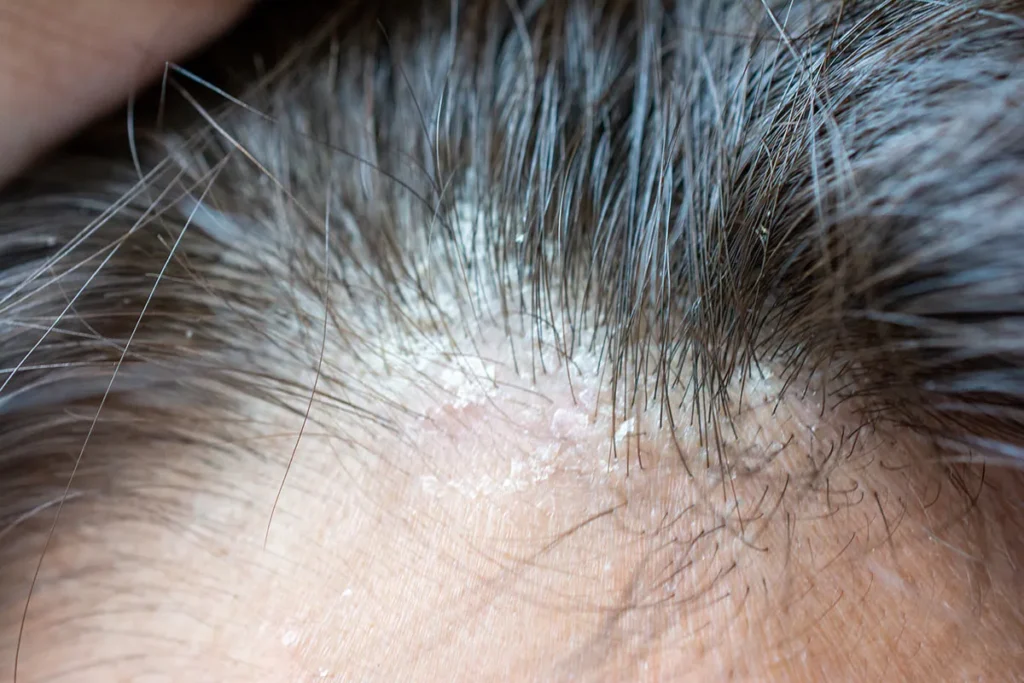
Seborrheic dermatitis hits 3% to 12% of people, more in some groups. It shows up where sebaceous glands are most active. This leads to flaky skin, constant itching, and redness under facial hair.
Knowing what causes and shows up in these conditions is key. By looking into treatments and management, people can ease the discomfort they bring.
Key Takeaways
Seborrheic dermatitis affects a significant portion of the population.
The condition is characterized by flaking skin, itching, and redness.
Sebaceous glands play a role in the development of seborrheic dermatitis.
Effective management requires understanding the underlying causes.
Available treatments can help alleviate associated discomfort.
Understanding Beard Eczema and Seborrheic Dermatitis
It’s important to know about beard eczema and seborrheic dermatitis to treat them well. These issues don’t just hit the scalp. They also affect areas with lots of oil glands, like the beard.
What Is Seborrheic Dermatitis in the Beard Area?
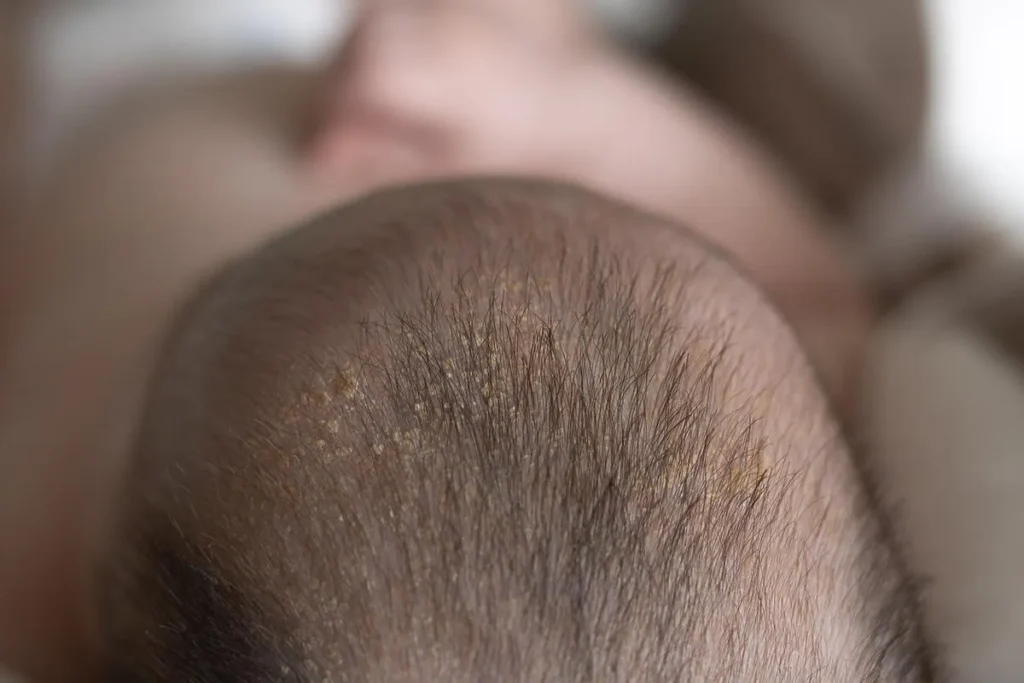
Seborrheic dermatitis is a long-term skin problem. It causes flaky, itchy skin, mainly in oily spots. In the beard area, it shows up as redness, irritation, and flaky skin under the mustache or beard.
This isn’t just simple dandruff. It’s a more serious skin issue that needs special care. The presence of Malassezia yeast, which is naturally on the skin, can lead to seborrheic dermatitis.
Prevalence and Risk Factors
Seborrheic dermatitis is common, affecting about 3% to 5% of people. It hits 6.5% of African-Americans. Several things can make you more likely to get it, including:
Genetic predisposition
Stress
Cold and dry climates
Excessive oil production
Knowing these risk factors helps manage and maybe prevent the condition. Spotting signs and symptoms early lets people get the right treatment. This can greatly improve their quality of life.
Causes and Triggers of Beard Eczema
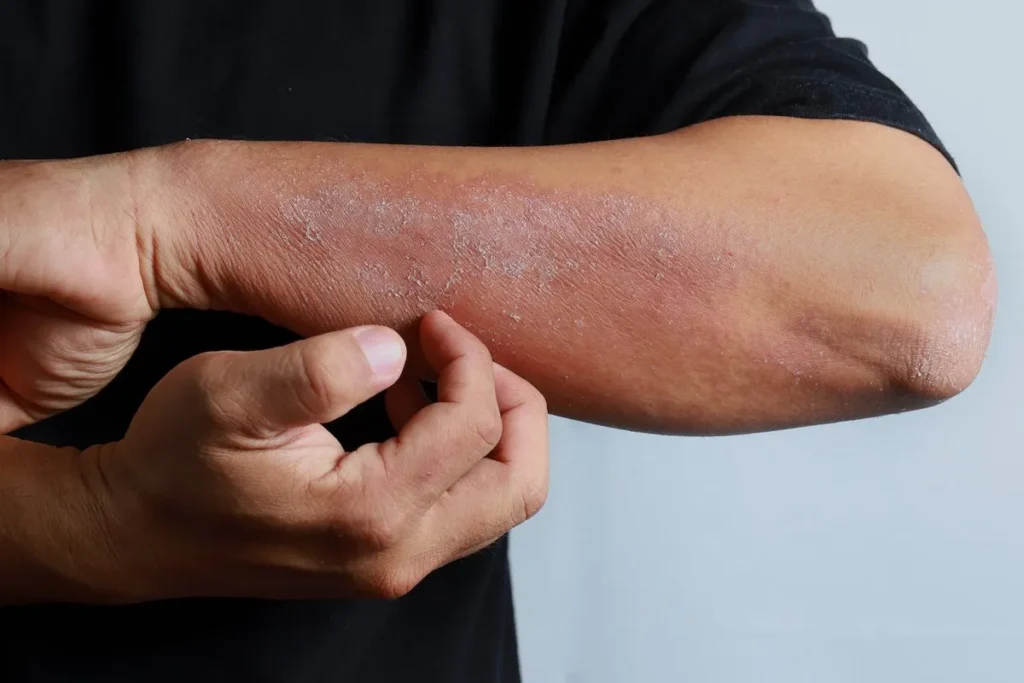
Knowing what causes beard eczema is key to treating it. Beard eczema, or seborrheic dermatitis, is a complex issue. It’s influenced by many factors.
The Role of Malassezia Yeast
Malassezia yeast is naturally on our skin and plays a big part in beard eczema. Too much of this yeast can cause inflammation and irritation. Malassezia yeast feeds on the oils our skin makes, making the condition worse.
We don’t fully understand how Malassezia yeast causes beard eczema. But, it’s thought that the yeast’s presence sets off an immune response. This leads to inflammation.
Oil Production and Moisture Factors
Too much oil on the skin is another big factor in beard eczema. When the skin makes too much oil, it’s perfect for Malassezia yeast to grow. Moisture levels also matter a lot, as high humidity can make the condition worse.
Environmental and Lifestyle Triggers
Environmental and lifestyle factors can also trigger or make beard eczema worse. Stress, for example, can affect our immune system and lead to flare-ups. Other triggers include harsh weather and certain skincare products.
Managing these triggers is key to controlling the condition. By understanding the causes and triggers of beard eczema, we can take steps to lessen its impact.
Effective Treatment Options for Beard Dermatitis
Beard dermatitis can be treated with several options. These include medicated products and proper beard care. Together, they help manage the condition.
Medicated Shampoos with Ketoconazole
Medicated shampoos with ketoconazole are key for treating beard dermatitis. Ketoconazole fights yeast on the skin, which helps. Studies show that 1% or 2% ketoconazole shampoos can ease symptoms.
Topical Antifungal and Anti-inflammatory Treatments
Topical treatments offer more relief. Antifungal creams fight fungal infections. For inflammation, anti-inflammatory treatments like topical corticosteroids are used. But, a doctor should guide their use to avoid side effects.
Prescription Solutions for Severe Cases
For severe beard dermatitis, stronger treatments are needed. These include antifungal medications or corticosteroids. A dermatologist can help find the best treatment.
Beard Care Products for Symptom Management
Choosing the right beard care products is important. Use gentle, fragrance-free cleansers and moisturizers. They soothe the skin and reduce irritation. Some products have antifungal or anti-inflammatory ingredients that help.
Managing beard dermatitis takes time and effort. By using the right treatments and good beard care, symptoms can be eased. This improves life quality.
Conclusion
Understanding and managing beard eczema and seborrheic dermatitis is key for those affected. Seborrheic dermatitis is a chronic condition that needs ongoing care. It can affect not just the beard but also the mustache, causing eborrheic dermatitis mustache.
There are effective treatments like medicated shampoos and topical antifungal treatments. Keeping a consistent skincare routine is vital. Knowing what environmental and lifestyle triggers can make symptoms worse is also important.
By taking a thorough approach to managing these conditions, flare-ups can be reduced. This improves overall skin health. Continuous care and management are essential. They help keep the beard healthy and comfortable.
FAQ
What is seborrheic dermatitis in the beard area?
Seborrheic dermatitis in the beard area is a common skin condition that causes redness, flaking, and greasy scales under facial hair due to inflammation and yeast overgrowth.
What are the symptoms of beard eczema?
Symptoms include itching, redness, flaky or greasy skin, irritation, and sometimes small patches of inflamed skin beneath the beard.
How is seborrheic dermatitis in the beard area treated?
It is usually treated with medicated antifungal creams or shampoos, gentle cleansing, and moisturizing to reduce inflammation and control flaking.
Can beard oil help with seborrheic dermatitis?
Beard oil can help reduce dryness and itching, but it should be lightweight and non-comedogenic to avoid worsening the condition.
What are the risk factors for developing seborrheic dermatitis under the mustache?
Risk factors include oily skin, stress, hormonal changes, cold weather, poor hygiene, and a weakened immune system.
How can I manage itchy beard dandruff?
Wash your beard regularly with a gentle cleanser, use antifungal or medicated products if needed, moisturize the skin, and avoid scratching.
Is seborrheic dermatitis contagious?
No, seborrheic dermatitis is not contagious and cannot spread from one person to another.
Can I use antifungal treatments for beard eczema?
Yes, antifungal treatments are commonly used because yeast overgrowth often plays a role in seborrheic dermatitis in the beard area.
References
National Center for Biotechnology Information. Evidence-Based Medical Insight. Retrieved from https://pubmed.ncbi.nlm.nih.gov/14678527/