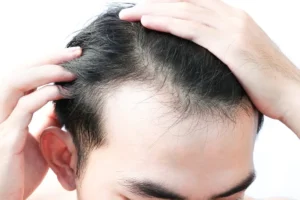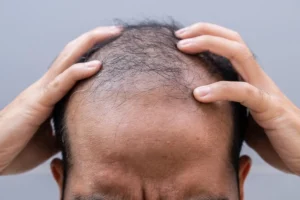
Are you dealing with itchy, red patches on your scalp and noticing your hair thinning? Seborrheic dermatitis is a common issue that affects millions. Many people wonder if it can cause hair loss.
Stop seborrhoeic dermatitis and hair loss with amazing tips. Use powerful, incredible secrets to heal your scary scalp and regrow hair.
At gold city hair, we know how important it is to understand the link between scalp dermatitis and hair thinning. Recent studies show that seborrheic dermatitis usually leads to temporary hair loss, not permanent baldness. But, it’s key to treat it to stop things from getting worse.
Key Takeaways
Seborrheic dermatitis is a chronic inflammatory scalp condition.
It affects approximately 3-5% of the general population.
The condition can lead to temporary hair shedding.
Understanding the link between seborrheic dermatitis and hair loss is vital.
Effective treatment can help prevent further hair thinning.
Understanding Seborrheic Dermatitis and Its Prevalence
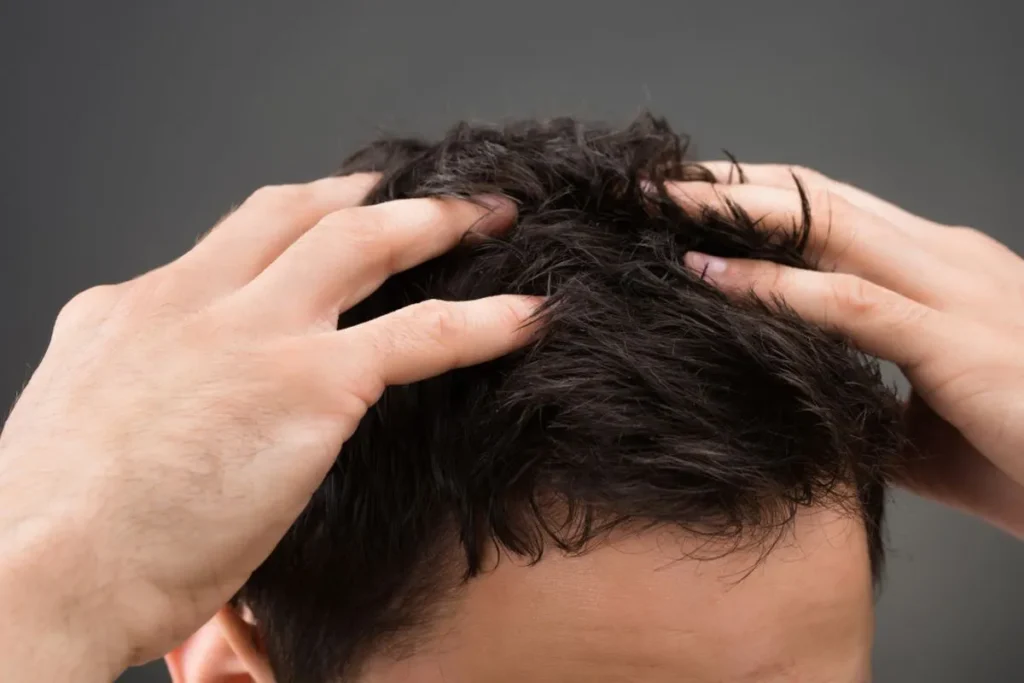
Seborrheic dermatitis is a common skin condition. It affects many people and can cause discomfort. Knowing about it helps us understand its impact.
What is Seborrheic Dermatitis?
Seborrheic dermatitis is a long-term skin issue. It makes the scalp itchy and flaky. It can also appear on other oily parts of the body.
The exact reason for seborrheic dermatitis is not known. But, it’s thought to be caused by stress, hormonal changes, and a skin yeast. It looks different on everyone, showing up as a rash in various colors.
Common Symptoms and Affected Populations
The signs of seborrheic dermatitis include flaking skin, burning, and itchy patches. It can happen to anyone. But, some groups are more likely to get it.
Seborrheic dermatitis is quite common worldwide. It affects a lot of people. Some groups, like those with oily skin, are more likely to get it.
The Connection Between Seborrhoeic Dermatitis and Hair Loss
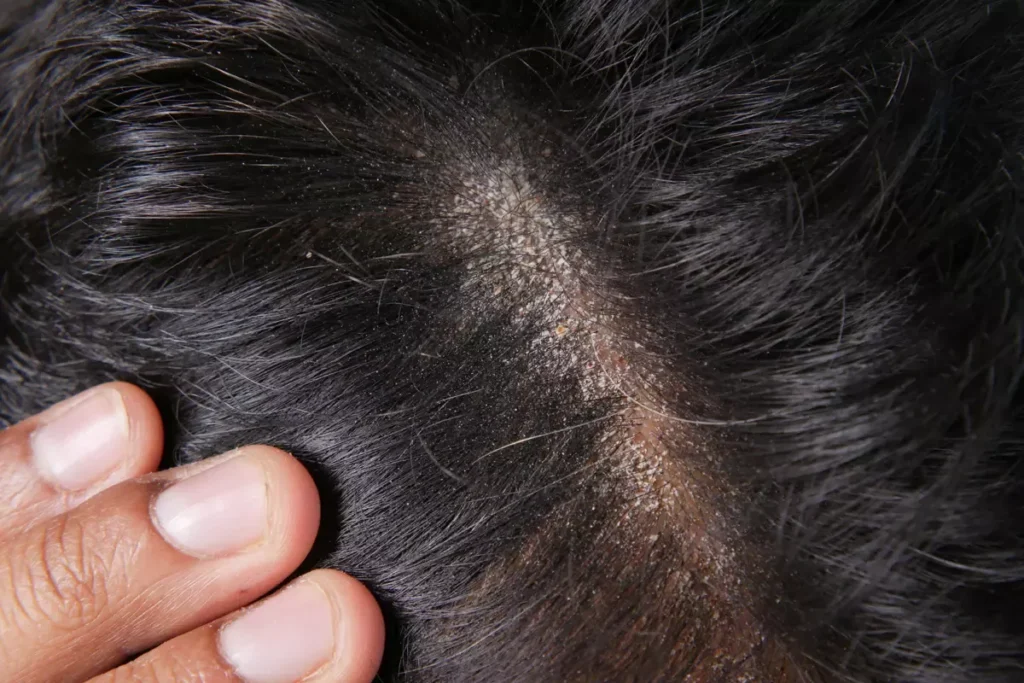
Seborrhoeic dermatitis can cause hair loss. It happens because of too much sebum, scalp inflammation, and intense itching. These factors lead to hair thinning.
Mechanisms of Hair Thinning
Too much sebum in seborrhoeic dermatitis helps Malassezia yeast grow too much. This yeast makes the scalp inflamed. It disrupts hair growth and causes hair to thin.
The itching from seborrhoeic dermatitis can also damage hair follicles. This damage adds to the hair loss.
Scalp inflammation is another big problem. It messes with the hair growth cycle. This can lead to telogen effluvium, where more hair than usual falls out.
When Temporary Thinning Becomes Permanent Loss
Untreated inflammation can turn into seborrheic folliculitis. This can cause scarring alopecia. Scarring alopecia destroys hair follicles, leading to permanent hair loss.
It’s important to manage seborrhoeic dermatitis early. This can stop temporary thinning from becoming permanent.
The following table summarizes the key factors contributing to hair loss in seborrhoeic dermatitis and their possible outcomes:
Effective Treatments for Managing Symptoms and Restoring Hair Health
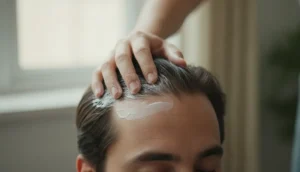
Seborrheic dermatitis can be managed with various treatments. These help alleviate symptoms and promote hair regrowth. Medicated shampoos with ketoconazole, zinc pyrithione, or salicylic acid are commonly used.
Antifungal medications and corticosteroids may also be prescribed. They reduce inflammation and control fungal infections. Good scalp care is also essential. Regularly washing the scalp with a gentle shampoo helps manage symptoms.
Lifestyle changes, like managing stress and eating healthy, are important. These habits reduce the risk of hair thinning and promote overall hair health. Understanding that seborrheic dermatitis can cause hair thinning is key to preventing damage.
By combining medical treatments with good scalp care and healthy habits, individuals can manage seborrheic dermatitis. This helps restore their hair health.
FAQ
Can seborrheic dermatitis lead to permanent hair loss?
Seborrheic dermatitis usually causes temporary hair shedding, not permanent hair loss, unless there is repeated scratching or severe infection.
How does seborrheic dermatitis affect the scalp and hair health?
It causes inflammation, itching, and flaking, which can weaken hair follicles and lead to temporary hair shedding.
Are there specific treatments for seborrheic dermatitis that can help restore hair health?
Medicated shampoos, antifungal treatments, and proper scalp care can reduce inflammation and promote healthy hair regrowth.
Is itchy scalp a common symptom of seborrheic dermatitis, and can it lead to hair loss?
Yes, itching is common. Persistent scratching can damage hair follicles and contribute to temporary hair thinning.
Can seborrheic eczema cause hair thinning?
Yes, inflammation and irritation from seborrheic eczema can lead to mild, temporary hair thinning.
What are the common symptoms of seborrheic dermatitis that may lead to hair loss?
Flaking, redness, itching, and scalp inflammation are the main symptoms that can cause temporary hair shedding.
How prevalent is hair loss among individuals with seborrheic dermatitis?
Mild hair shedding is fairly common, but permanent hair loss is rare and usually linked to chronic scratching or secondary infection.
Can seborrheic dermatitis cause hair loss on other parts of the body beside the scalp?
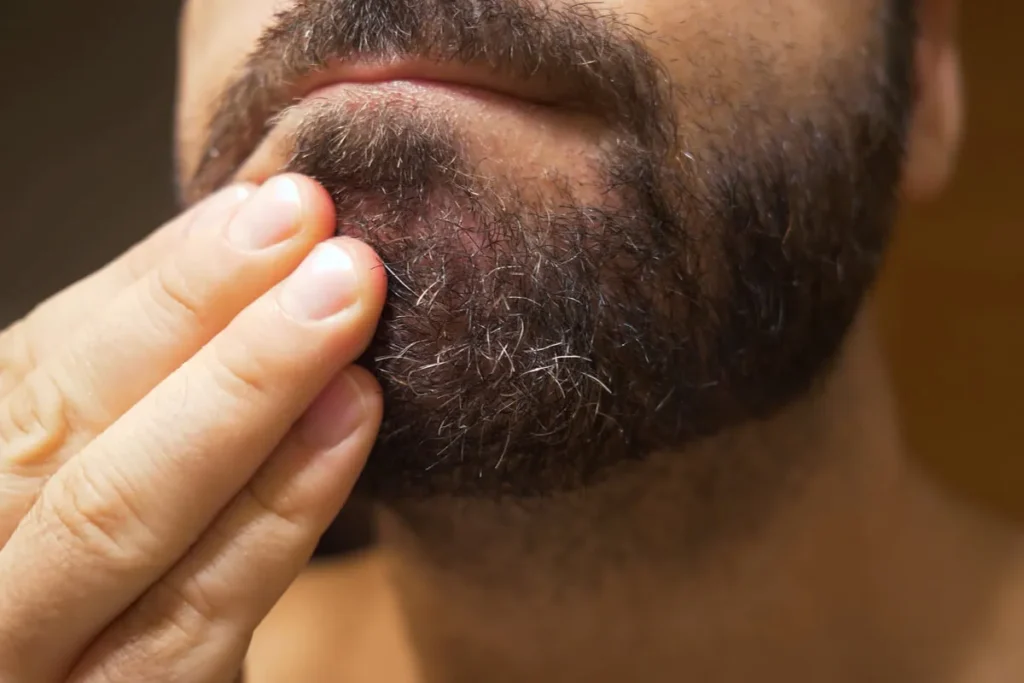
It is less common, but seborrheic dermatitis can affect eyebrows, beard, and body folds, occasionally causing localized hair thinning.
Are there any lifestyle changes that can help manage seborrheic dermatitis and prevent hair loss?
Maintaining scalp hygiene, reducing stress, eating a balanced diet, and avoiding harsh hair products can help control symptoms and protect hair health.
References
National Center for Biotechnology Information. Evidence-Based Medical Insight. Retrieved from https://pmc.ncbi.nlm.nih.gov/articles/PMC10264915/