Have you noticed your eyebrows thinning at the outer edges? This pattern, known as the Hertoghe sign, might signal hypothyroidism. Many people see eyebrow hair loss before noticing other thyroid symptoms. This makes it a key sign that needs medical attention.
It’s important to understand why hypothyroidism leads to this hair loss pattern. Knowing what to do about it can help you regain your health and appearance. Studies show that up to 50% of those with hypothyroidism experience hair loss. Eyebrow madarosis is a specific and early sign of this condition.
Key Takeaways
Hypothyroidism can cause hair loss from your eyebrows, known as the Hertoghe sign.
Thyroid hormones are key for hair growth, and imbalances can cause hair loss.
Up to 50% of hypothyroidism patients experience some form of hair loss.
Eyebrow madarosis is one of the earliest signs of hypothyroidism.
Understanding the mechanisms behind eyebrow hair loss can help in diagnosing and treating hypothyroidism effectively.
The Connection Between Hypothyroidism and Eyebrow Hair Loss
Understanding how hypothyroidism affects eyebrow hair loss is key. Hypothyroidism is when the thyroid gland doesn’t make enough hormones. This affects many body functions, including hair growth.
Many people with hypothyroidism lose their eyebrows. Studies show up to 50% of them experience hair loss. Losing eyebrow hair is often one of the first signs.
Prevalence and Statistics
Hair loss, including eyebrow loss, is common in hypothyroidism patients. The exact number varies, but it’s a clear sign of the condition.
The Hertoghe Sign: Loss of the Outer Third
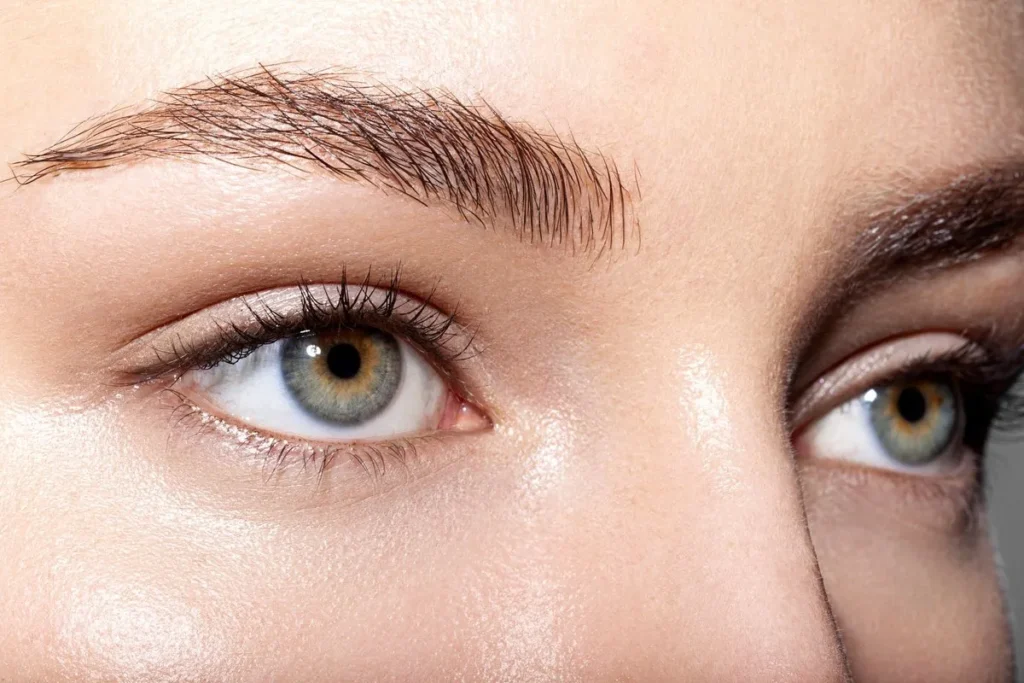
The Hertoghe sign, or Queen Anne sign, is when the outer third of the eyebrows falls out. It’s often seen in hypothyroidism.
But, other conditions like eczema can also cause it. In hypothyroidism, it’s a key sign.
The sign is when hairs thin or disappear at the outer third of the eyebrow. Spotting this can help doctors diagnose hypothyroidism.
Physiological Mechanisms Behind Thyroid-Related Hair Loss
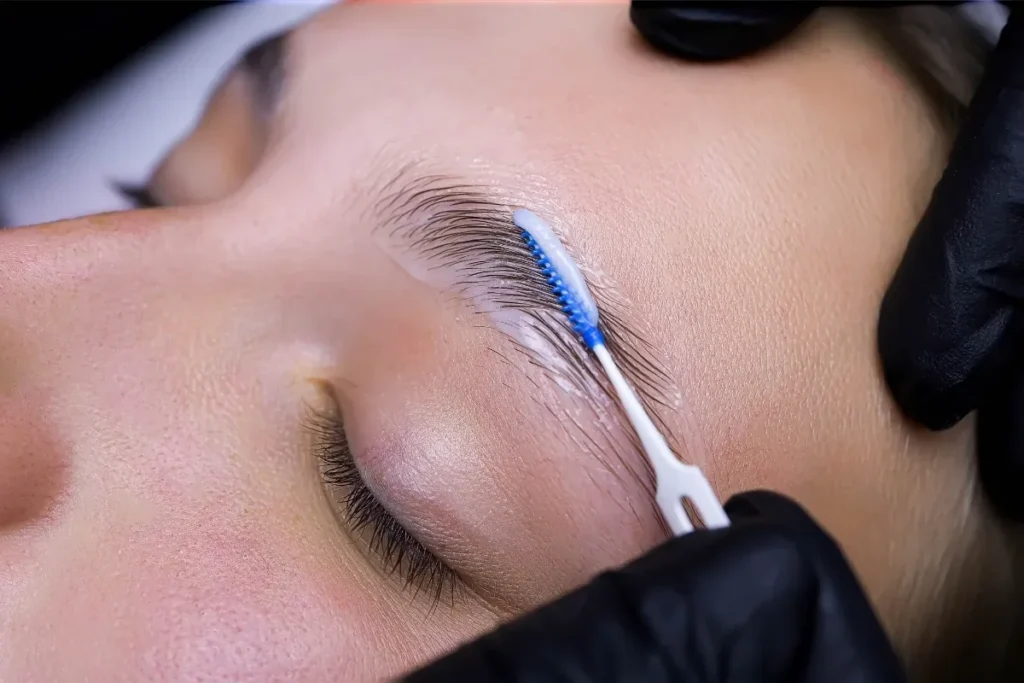
It’s key to know how thyroid-related hair loss works. Thyroid hormones are vital for hair growth. Without enough, hair growth can slow down.
How Thyroid Hormones Regulate Hair Growth
Thyroid hormones are important for hair follicle growth. They control cell metabolism in the follicles. This affects the hair growth cycle.
The cycle has three phases: anagen (growth phase), catagen (regression phase), and telogen (resting phase). Thyroid hormones help these phases last the right amount of time. This ensures hair grows well.
In a normal cycle, the anagen phase lasts years. Then, there’s a short catagen phase and a few months of telogen. Thyroid hormones affect these times. With enough hormones, hair grows well.
Disrupted Hair Growth Cycle in Hypothyroidism
Hypothyroidism affects the hair growth cycle. The anagen phase gets shorter. This means hair grows less and falls out more, including eyebrows.
The Hertoghe sign is a sign of hypothyroidism. It’s when the outer third of the eyebrows falls out.
Increased telogen phase duration: Hair follicles stay in the resting phase longer, leading to less growth.
Reduced anagen phase duration: Hair grows for a shorter time, making it thinner and shorter.
Impact on hair follicle health: Without enough thyroid hormones, follicles weaken and hair falls out more easily.
Understanding thyroid-related hair loss is key. It shows how important thyroid hormones are for hair. Knowing this helps diagnose and treat hair loss from hypothyroidism.
Thyroid Eyebrow Hair Loss Pictures: Clinical Identification
Identifying thyroid-related eyebrow hair loss involves spotting specific patterns. A key sign is the Hertoghe sign. It shows hair loss in the outer third of the eyebrows.
Visual Characteristics of Hypothyroid Eyebrow Loss
Hypothyroid eyebrow loss has distinct visual signs. The Hertoghe sign is a key indicator of hypothyroidism. It’s not the only cause, though. Other conditions like atopic dermatitis can also lead to similar hair loss.
Other signs include thinning eyebrows or hair loss in areas beyond the outer third. Thyroid eyebrow hair loss pictures help doctors spot these signs. This aids in making a correct diagnosis.
Differential Diagnosis from Other Causes of Eyebrow Loss
It’s important to tell thyroid-related hair loss from other causes. Conditions like nutritional deficiencies and autoimmune diseases can also cause hair loss. So can skin issues like psoriasis or eczema.
A detailed medical history and physical exam are needed to find the cause. Thyroid function tests are key in diagnosing hypothyroidism. They help rule out other causes of eyebrow loss.
In summary, thyroid eyebrow hair loss pictures are key in diagnosing hypothyroidism. By spotting patterns like the Hertoghe sign, doctors can accurately diagnose. This leads to effective treatment plans.
Conclusion: Treatment and Restoration of Eyebrow Hair
Treating the underlying thyroid condition is key to improving eyebrow hair loss. Medications like Levothyroxine, which contain thyroid hormones, can help replace missing hormones. In some cases, limiting iodine intake may also be necessary.
Restoring eyebrow hair involves addressing the thyroid condition and other factors that influence hair growth. This includes nutritional deficiencies. By managing hypothyroidism effectively and maintaining overall health, patients can potentially reverse eyebrow hair loss. This is also relevant for individuals with hyperthyroidism eyebrows, as thyroid eyebrow hair loss can be a concern.
Understanding thyroid eyebrows pictures can help with clinical identification and diagnosis. Eyebrow thyroid hair loss is a symptom that should not be overlooked. With appropriate treatment, such as thyroid hormone replacement therapy, patients can restore their eyebrow hair and improve their overall well-being, whether they are dealing with hyperthyroid eyebrows or hypothyroidism.
FAQ
What is the connection between hypothyroidism and eyebrow hair loss?
Thyroid hormones (T3 and T4) are essential for triggering and maintaining the hair follicle’s growth cycle. In hypothyroidism, low hormone levels cause follicles across the body—including the eyebrows—to enter the resting phase prematurely, leading to thinning and shedding.
What is the Hertoghe sign, and how is it related to hypothyroidism?
The Hertoghe sign, or Queen Anne’s sign, is the medical term for the thinning or total loss of the outer (lateral) third of the eyebrows. It is considered a classic “red flag” for hypothyroidism, as the thyroid’s metabolic disruption specifically affects the density of these terminal hairs.
How common is eyebrow hair loss in patients with hypothyroidism?
While general hair thinning affects about 33% of hypothyroid patients, the specific loss of the outer eyebrows is a more distinct diagnostic marker. Recent 2026 data suggests that while it is not the most common symptom, its presence strongly correlates with more severe or prolonged thyroid dysfunction.
Can thyroid hormone replacement therapy restore eyebrow hair loss?
Yes, most thyroid-related eyebrow loss is temporary and reversible with proper treatment like levothyroxine. Once hormone levels are stabilized, hair typically begins to regrow within 3 to 4 months, though it may take 6 to 12 months to reach original density.
How can healthcare providers diagnose hypothyroidism based on eyebrow hair loss?
Providers look for the characteristic “outer third” thinning combined with other systemic symptoms like fatigue and dry skin. This visual cue often prompts a thyroid panel blood test (TSH, Free T3, Free T4) to confirm the underlying hormonal deficiency.
What are the other causes of eyebrow loss?
Thyroid loss must be differentiated from atopic dermatitis (eczema), which causes itching and redness, or alopecia areata, which results in sudden circular bald patches. Other causes include nutritional deficiencies (iron or zinc), physical trauma from over-plucking, and normal aging.
Can hyperthyroidism cause eyebrow hair loss?
Yes, an overactive thyroid can also lead to eyebrow thinning, though the hair often becomes very fine and soft before shedding. Unlike the coarse, brittle loss seen in hypothyroidism, hyperthyroid loss is usually more diffuse across the entire brow rather than just the outer edges.
Are there any specific images that can help identify this?
Clinical photos typically show the “Hertoghe sign,” where the inner two-thirds of the eyebrow near the nose remain intact while the tail of the brow disappears. In 2026, many patients use trichoscopy (digital scalp imaging) to help doctors distinguish thyroid thinning from scarring alopecia by looking for specific hair shaft and follicular patterns.
References
National Center for Biotechnology Information. Evidence-Based Medical Insight. Retrieved from https://pmc.ncbi.nlm.nih.gov/articles/PMC10492440/[4