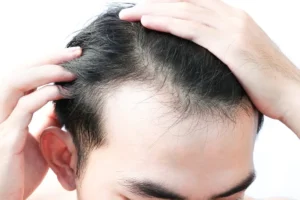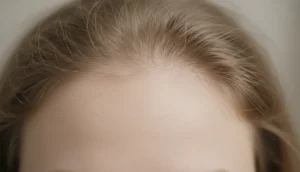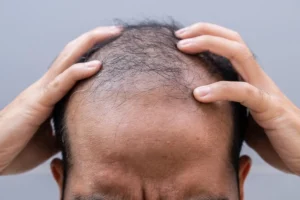
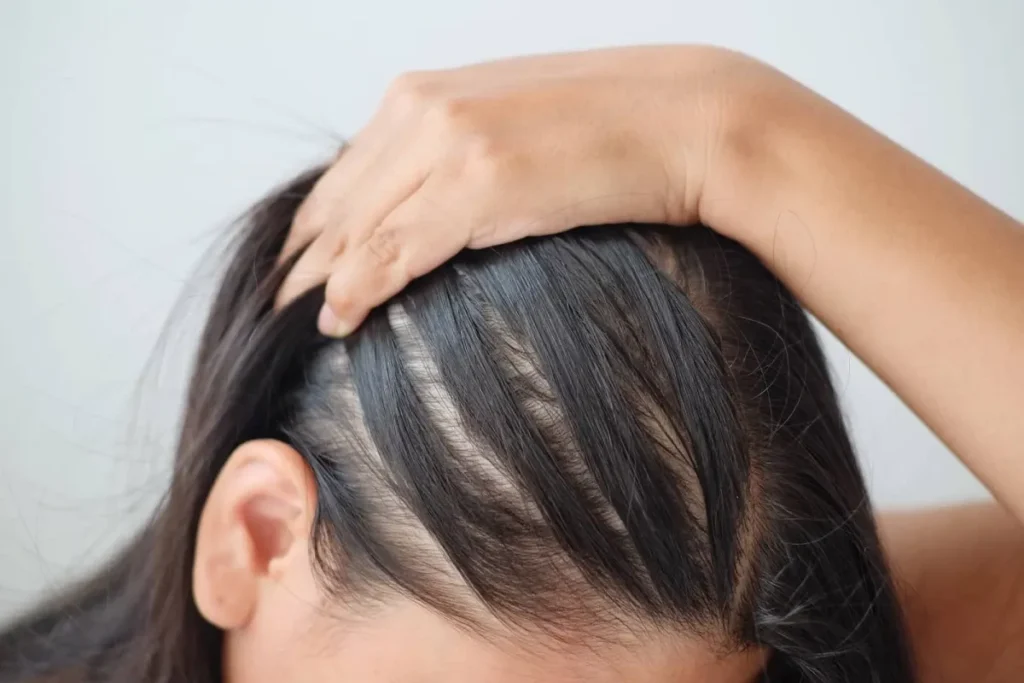
Experiencing sudden hair shedding while losing weight can be alarming. But knowing the science behind it gives you power to act.
Stop hair loss when losing weight with this amazing fix. Use powerful, incredible tips to keep healthy hair while dropping scary pounds.
Hair loss during weight loss is called telogen effluvium. It happens to both men and women. It’s when hair follicles move too early from growing to shedding due to fast weight loss, not enough nutrients, and body stress.
Key Takeaways
Telogen effluvium is a temporary and preventable condition.
Rapid weight loss, nutritional deficiencies, and physical stress contribute to hair loss.
Both men and women are affected by hair loss during weight loss.
Understanding the causes can help in taking preventive measures.
A balanced diet and managing stress can mitigate hair loss.
Understanding Hair Loss When Losing Weight
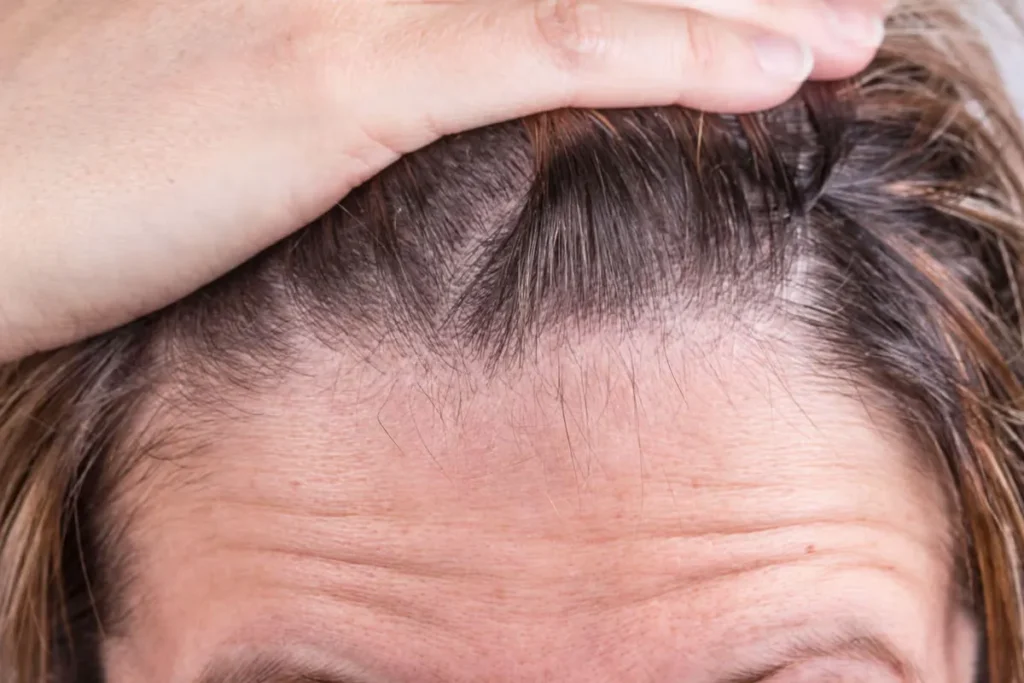
When people start losing weight, they might see more hair falling out. This is a common issue, even for those who are generally healthy.
What is Telogen Effluvium?
Telogen effluvium is a condition where you lose a lot of hair. It can be caused by losing a lot of weight, stress, or changes in hormones. Losing about 15.21 percent of your body weight in a month can lead to this.
In telogen effluvium, more hair follicles than usual stop growing. This means you lose a lot of hair. It’s usually temporary but can be upsetting.
Common Causes of Weight Loss-Related Hair Shedding
Hair needs nutrients, hormones, and not too much stress to grow well. If you eat fewer calories or change your diet, your body might use less for hair growth.
Nutritional deficiencies: Not getting enough iron, zinc, and biotin can cause hair loss.
Hormonal changes: Losing a lot of weight can change your hormones, affecting hair growth.
Stress: Losing weight quickly can stress your body, leading to hair loss.
Who is Most Vulnerable to Hair Loss During Weight Loss
Anyone can lose hair when they lose weight, but some are more at risk. Women and older adults are more likely to lose hair because of hormonal changes and less nutrition.
People with hypothyroidism are also more likely to lose hair. This is because their hormonal imbalances and lack of nutrients affect hair growth.
Effective Strategies to Prevent Hair Loss When Losing Weight
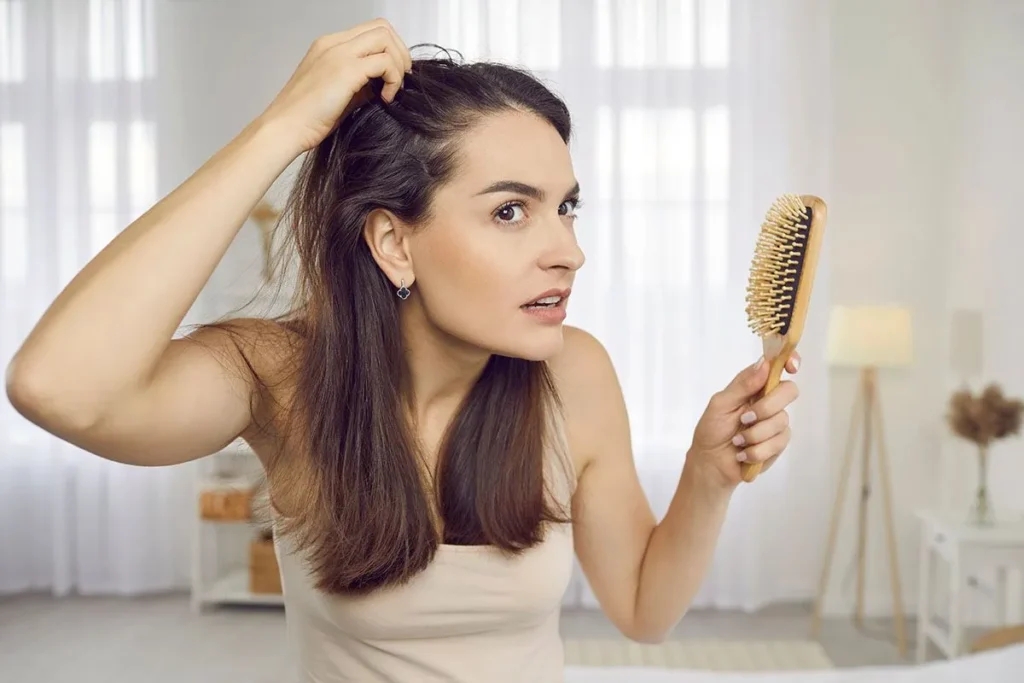
Hair loss is a common worry for those losing weight. But, there are ways to prevent it. It’s important to think about how weight loss affects your hair.
Adopt a Gradual Weight Loss Approach
Crash diets can make hair loss worse. A gradual weight loss approach is safer. Try to lose 1-2 pounds a week for better results.
This slow method helps your body adjust. It also makes losing weight for the long term more likely.
Maintain Proper Nutrition for Hair Health
Eating well is key for healthy hair. Protein is important for hair growth. Make sure you eat enough protein, vitamins, and minerals.
Here are some nutrients good for hair:
Iron: vital for healthy hair growth
Zinc: supports hair follicle health
Biotin: essential for hair growth and maintenance
Vitamin C: important for collagen production and iron absorption
Avoid Extreme Diets Below 1000 Calories
Eating less than 1000 calories a day can cause hair loss. Severe caloric restriction can make your body shed hair.
Make sure you eat enough calories to support your body. A registered dietitian can help with a meal plan that meets your needs.
Proper Hair Care Techniques During Weight Loss
Gentle hair care is important when losing weight. Avoid harsh chemical treatments and too much heat styling. These can stress your hair follicles.
Use gentle shampoos and conditioners. Try to use heat styling tools less or use a heat protectant spray. Be gentle when combing or brushing your hair to prevent breakage.
Conclusion
Managing hair loss during weight loss needs a full plan. This includes good nutrition, gentle hair care, and sometimes, expert advice. People who lose hair, feel tired, and gain weight might have hypothyroidism. This condition can make hair break and cause balding.
Thyroid problems, like hypothyroidism, can make hair thin and lead to weight gain. If you notice your hair falling out and you’re gaining weight, see a doctor. They can check for thyroid issues. Hair loss and joint pain can also signal a health problem that needs a doctor’s help.
Slow down your weight loss, eat well, and don’t cut calories too much to avoid hair loss. Be gentle with your hair and use the right care to reduce shedding. If hair loss or thinning doesn’t stop, talk to a doctor or a dietitian. They can help you get the right nutrients for healthy hair.
FAQ
What is telogen effluvium and how does it relate to weight loss?
Telogen effluvium is temporary hair shedding that occurs when stress, illness, or rapid weight loss pushes hair follicles into the resting phase. Sudden calorie restriction or nutrient deficiencies during weight loss can trigger this condition.
Does hypothyroidism cause hair thinning and weight gain?
Yes, hypothyroidism can lead to hair thinning and excessive hair shedding, along with weight gain, fatigue, and dry skin due to a slower metabolism. Treating the thyroid imbalance usually improves these symptoms.
How can I prevent hair loss when losing weight?
Prevent hair loss by losing weight gradually, eating a nutrient-rich diet, and ensuring adequate protein, iron, and vitamins. Avoid extreme crash diets and consider consulting a nutritionist for balanced meal planning.
What are the common causes of weight loss-related hair shedding?
Rapid calorie restriction, nutrient deficiencies, hormonal changes, and physical or emotional stress are common triggers of hair shedding during weight loss. Telogen effluvium is the typical mechanism behind this shedding.
Can losing weight cause hair loss in men?
Yes, men can experience temporary hair shedding from rapid weight loss, nutrient deficiencies, or stress, just like women. The condition is usually reversible once nutrition and health stabilize.
How does stress contribute to hair loss during weight loss?
Stress from dieting, lifestyle changes, or the physical strain of rapid weight loss can push hair follicles into the resting phase, triggering telogen effluvium. Managing stress through sleep, relaxation, and exercise can help reduce hair loss.
What role does nutrition play in preventing hair loss during weight loss?
Proper nutrition provides the proteins, vitamins, and minerals necessary for hair follicle health. Deficiencies in iron, zinc, biotin, or vitamin D during dieting can worsen shedding.
Can hair loss during weight loss be a sign of an underlying health issue?
Yes, excessive or persistent hair loss may indicate thyroid disorders, hormonal imbalances, or other medical conditions. Consulting a healthcare professional is important if hair shedding is severe or prolonged.
References
National Center for Biotechnology Information. Evidence-Based Medical Insight. Retrieved from https://pubmed.ncbi.nlm.nih.gov/39623615/