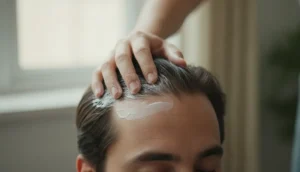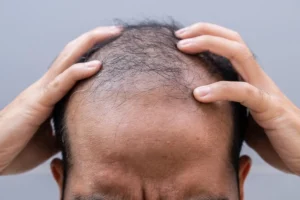

Feeling tenderness or soreness on the top of your head can be worrying. Studies show that scalp tenderness affects 25% to 70% of people. It can cause pain, inflammation, or discomfort.
This issue can come from tight hairstyles, environmental factors, or health problems like occipital neuralgia and scalp infections. Knowing the reasons and signs is key to managing and treating it.
Key Takeaways
Scalp tenderness is a common condition affecting a significant portion of the population.
The condition can manifest as pain, inflammation, tingling, numbness, or irritation.
Various factors contribute to scalp tenderness, including hairstyles, environmental exposure, and medical conditions.
Understanding the causes and symptoms is essential for effective management and treatment.
Recent studies have linked scalp tenderness to conditions like headaches, allergies, and hair loss.
Understanding Scalp Tenderness: Prevalence and Symptoms

Feeling tenderness on your scalp can be scary. Knowing how common it is and what symptoms to look for is key. Scalp tenderness is pain or discomfort on the top of your head. It can be caused by many things.
The scalp has skin, muscles, and blood vessels. This makes it prone to conditions that cause tenderness. Problems with blood vessels, nerves, and tissues can lead to scalp tenderness.
How Common Is Scalp Tenderness?
Scalp tenderness is more common than you might think. It can happen to anyone, no matter their age or gender. Many factors, like lifestyle and health conditions, can contribute to it.
There’s no exact number for how common scalp tenderness is. But, conditions like migraines and scalp psoriasis are common. For example, migraines affect about 12% of people in the U.S. and scalp psoriasis can affect up to 50% of those with psoriasis.
Recognizing Symptoms of a Tender Scalp
Spotting the signs of a tender scalp is the first step to getting help. Symptoms can vary a lot. Common ones include pain, inflammation, tingling, numbness, irritation, itching, throbbing, and stinging.
Medical Expert, Dermatologist
People might feel more than one symptom at a time. For example, someone might feel pain and inflammation together. Knowing these symptoms can help find the cause of scalp tenderness.
Pain or discomfort on the scalp
Inflammation or redness
Tingling or numbness
Irritation or itching
Throbbing or stinging sensations
It’s important to notice these symptoms and see a doctor if they don’t go away or get worse. A healthcare professional can diagnose and suggest the right treatment.
Common Causes of Tender Head Conditions

Knowing why your scalp is tender is key to fixing it. Many things can make your scalp sensitive, from bumps to health issues.
Physical Trauma and External Factors
Physical harm or outside forces often make the scalp sore. This includes injuries or friction from tight headgear or headsets. Such pressure can cause pain and tenderness.
Skin and Scalp Conditions
Scalp and skin problems also play a big role. Issues like psoriasis and seborrheic dermatitis can be very uncomfortable. They cause inflammation and irritation, making the scalp tender.
Psoriasis: Characterized by red, itchy patches on the scalp.
Seborrheic dermatitis: Causes flaky skin and redness.
Infections: Bacterial or fungal infections can also lead to scalp tenderness.
Neurological and Tension-Related Causes
Neurological issues and tension can also make the top of your head hurt. Conditions like occipital neuralgia can cause sharp pains in the neck and scalp, leading to tenderness.
Tension headaches are another common cause. They often come from muscle tension in the neck and scalp. This tension can spread to the top of the head, making it painful.
Hair-Related Issues
Hair problems can also make the scalp tender. Tight hairstyles can cause traction alopecia and tenderness. Conditions like alopecia areata, which cause hair loss, can also make the scalp sore.
By knowing these causes, people can find the right treatment for their scalp tenderness.
Conclusion: When to Seek Medical Attention
If you notice a spot on your head that’s tender to touch, it’s important to know when to see a doctor. Scalp tenderness can show up in different ways. This includes feeling like your head is bruised when you touch it.
There are different treatments for scalp tenderness, depending on the cause. Using medicated shampoos, managing stress, and taking over-the-counter pain relievers can help. If your scalp pain doesn’t go away, you might need to see a doctor.
If you feel pain when someone touches your head or notice other symptoms, see a healthcare professional. They can figure out why your head is tender and suggest the right treatment.
FAQ
What are the common symptoms associated with scalp tenderness?
Scalp tenderness can feel like pain, throbbing, tingling, or numbness. It may also include irritation, itching, or sensitivity, sometimes linked to headaches or hair issues.
What causes tenderness on the top of the head?
Causes include injury, skin conditions like psoriasis, hair-related problems, or nerve issues affecting the scalp.
Is scalp tenderness a common condition?
Yes, many people experience scalp tenderness. Understanding the cause helps in managing and treating it effectively.
Can scalp tenderness be managed with self-care and over-the-counter treatments?
Mild cases can improve with gentle scalp care, soothing shampoos, or topical treatments, but persistent or worsening symptoms require medical advice.
When should I seek medical attention for scalp tenderness?
See a doctor if tenderness doesn’t improve, is severe, or comes with other symptoms like hair loss, rashes, or persistent headaches.
Can hair-related issues cause scalp tenderness?
Yes, tight hairstyles, chemical treatments, or scalp irritation from products can make the scalp tender.
Are there any underlying medical conditions associated with scalp tenderness?
Yes, conditions like migraines, infections, allergies, or autoimmune disorders can cause scalp tenderness.
How can I determine the underlying cause of my scalp tenderness?
A doctor can examine your scalp, review your symptoms, and run tests if needed to identify the cause and recommend appropriate treatment.
References
National Center for Biotechnology Information. Evidence-Based Medical Insight. Retrieved from https://pmc.ncbi.nlm.nih.gov/articles/PMC4810328/