
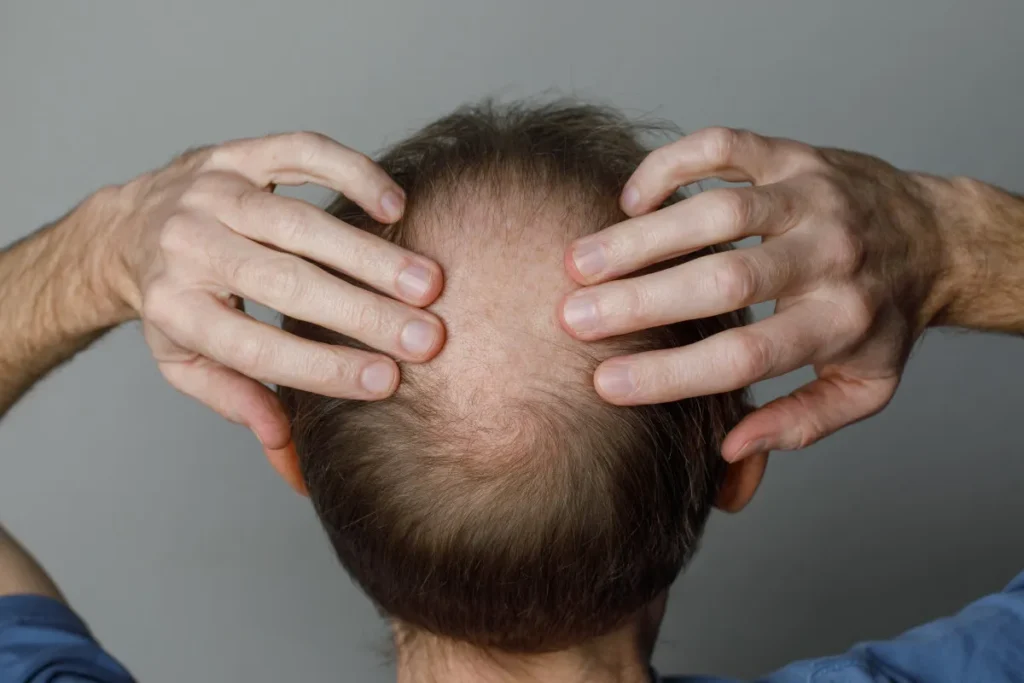
Hair loss, or alopecia, is a tough side effect for many patients with cancer. It’s not because of the cancer itself. It’s mainly because of the treatment.
Can cancer make you lose your hair? Discover the amazing truth and powerful tips to manage scary hair loss for incredible health results.
The American Cancer Society says most patients on certain chemotherapy lose their hair. This change can really hurt a patient’s self-esteem and overall mood.
At Gold City Hair, we know how hard cancer treatment can be. We focus on both the emotional and physical sides of it. Helping patients deal with hair loss is a big part of our support.
Key Takeaways
Hair loss is mainly a side effect of cancer treatment, not a symptom of cancer.
Chemotherapy is a common cause of hair loss in cancer patients.
Hair loss can have a significant emotional impact on patients.
Addressing hair loss is an important aspect of cancer care.
Support and guidance can help patients manage hair loss during treatment.
The Relationship Between Cancer and Hair Loss

Cancer itself doesn’t usually cause hair loss. But, its treatments often do. The link between cancer and hair loss is complex, involving many factors and treatment types.
Is Hair Loss a Symptom of Cancer?
Hair loss is not a common symptom of cancer. Studies show that about 65% of cancer patients on chemotherapy lose their hair. This hair loss is usually due to the treatment, not the cancer itself.
Cancer treatments, like chemotherapy and radiation, can lead to hair loss. The amount and severity of hair loss depend on the treatment, dosage, and the patient’s health.
Understanding Alopecia in Cancer Patients
Alopecia, or hair loss, in cancer patients is mainly due to treatments. There are different types of alopecia, including:
Alopecia areata: an autoimmune condition causing patchy hair loss.
Alopecia totalis: total hair loss on the scalp.
Alopecia universalis: complete hair loss on the body.
In cancer patients, alopecia is mostly caused by chemotherapy. The drugs in chemotherapy target fast-growing cells, including hair follicles, causing hair loss.
It’s important for cancer patients to understand why they’re losing their hair. While cancer itself rarely causes hair loss, treatments can have a big impact. Learning to manage and cope with hair loss is key to cancer care.
Can Cancer Make You Lose Your Hair?
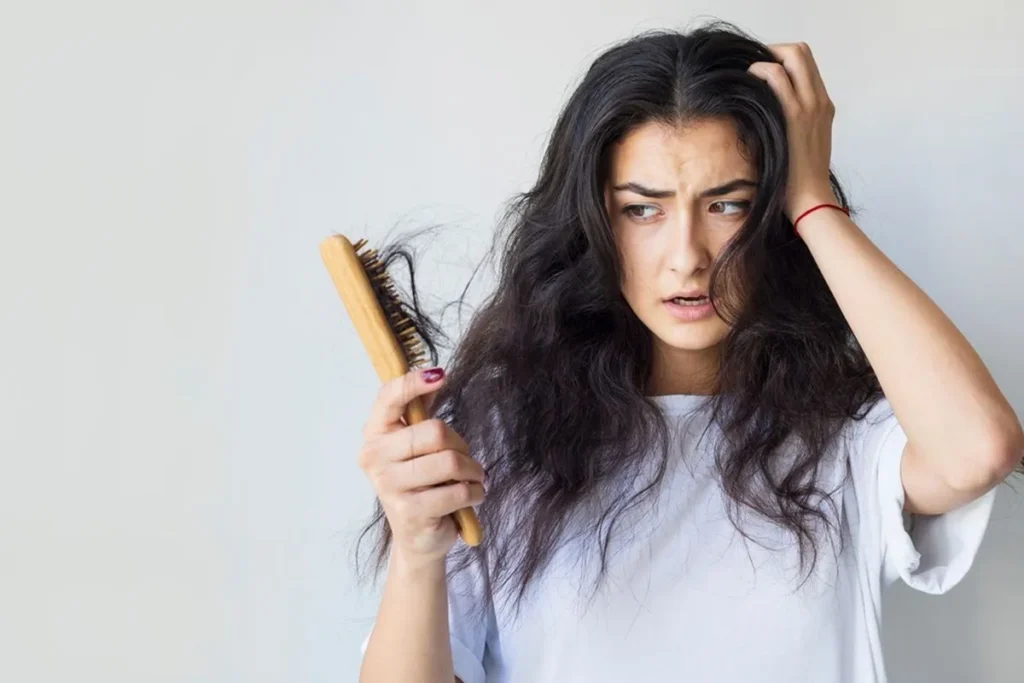
Hair loss is a common and emotional side effect of cancer treatment. It’s called alopecia. This can be very hard for people already facing a cancer diagnosis.
Cancer treatments aim to kill fast-growing cancer cells. Unfortunately, hair follicles grow fast too. So, they can get hurt by these treatments.
Cancer Treatments That Cause Hair Loss
Many cancer treatments can cause hair loss, with chemotherapy being the most common. Chemotherapy drugs kill fast-growing cancer cells. But, they also harm hair follicles.
Chemotherapy-induced hair loss can affect more than just the scalp. It can also hit eyebrows, eyelashes, and body hair. How much hair is lost depends on the treatment type and dose.
How Chemotherapy Affects Hair Follicles
Chemotherapy targets fast-growing cells, including those in hair follicles. This makes hair follicles stop growing. As a result, a lot of hair falls out.
Some chemotherapy drugs, like anthracyclines and taxanes, cause more hair loss. The effect on hair follicles varies by drug, dosage, and treatment length.
Knowing how cancer treatment affects hair can help patients prepare. It can also help them find ways to manage this side effect.
Types of Cancer Associated with Hair Loss
Many cancers can cause hair loss, either from the disease itself or its treatment. The amount and chance of hair loss differ with each cancer and treatment.
Lung and Colorectal Carcinoma
Lung and colorectal cancers may lead to hair loss, mainly with chemotherapy. Chemotherapy regimens with certain drugs are more likely to cause hair loss.
For example, lung cancer patients might get chemotherapy that leads to alopecia. Colorectal cancer patients treated with specific chemotherapy agents may also lose their hair.
Breast Cancer and Long-term Hair Loss
Breast cancer is a common cause of hair loss, often due to chemotherapy. Certain drugs, like taxanes and anthracyclines, can lead to long-term or permanent hair loss in some.
Breast cancer treatments that may cause hair loss include chemotherapy.
The chance of long-term hair loss depends on the chemotherapy used.
Some patients may keep losing hair even after treatment ends.
Other Cancers and Their Impact on Hair
Other cancers, like skin cancer, can also cause hair loss if they affect the scalp. For instance, scalp treatments for skin cancer, like surgery or radiation, can lead to hair loss.
Skin cancer on the scalp can directly cause hair loss.
Treatments for skin cancer, such as surgery or radiation, can also lead to alopecia.
In conclusion, hair loss is a possible side effect of many cancers and treatments. Knowing the specific risks and causes can help patients prepare and cope.
Managing and Coping with Cancer-Related Hair Loss
Hair loss is a common side effect of cancer treatment. It can affect patients’ self-esteem and well-being. To manage this, understanding hair regrowth timelines, taking preventive steps, and using supportive care are key.
Timeline for Hair Regrowth After Treatment
Hair regrowth usually starts after cancer treatment ends. But, the time it takes can vary a lot. It’s important for patients to know that hair regrowth is slow. They might see hair growth signs in 3 to 6 months after treatment stops. But, it can take up to a year or more for hair to look like it did before treatment.
Several things can affect how fast hair grows back. These include the type of cancer treatment, the patient’s health, and genetics. Eating well and reducing stress can help hair grow back faster.
Preventive Measures and Supportive Care
While getting cancer treatment, patients can take steps to lessen hair loss. Using scalp cooling devices is one method. These devices cool the scalp, reducing blood flow and lessening chemotherapy’s impact on hair follicles.
Also, gentle hair care is important. Use mild shampoos, avoid too much heat styling, and gently comb or brush hair. Eating well is also key, as a diet full of vitamins and minerals helps hair stay healthy.
Gently wash hair with mild shampoos.
Avoid excessive heat styling.
Use a wide-tooth comb or a soft-bristled brush.
Maintain a balanced diet rich in vitamins and minerals.
Supportive care is also essential for those dealing with hair loss from cancer. This includes counseling, support groups, and resources for emotional support. Talking to others who have gone through similar things can offer emotional support and advice.
Conclusion
Cancer and its treatment can change how a person looks, with hair loss being a big worry. It’s important for patients to know that treatments like chemotherapy can make hair fall out. This helps them prepare and deal with it.
Hair thinning isn’t usually a sign of cancer itself. But, it can happen with some cancers and their treatments. Knowing why hair loss happens can help patients handle it better.
Talking about hair loss with doctors and getting emotional support is key. Being informed and supported helps cancer patients face hair loss. This way, they can focus on getting better.
FAQ
Is hair loss a symptom of cancer?
Hair loss is usually not a direct symptom of cancer itself, but it often occurs as a side effect of cancer treatments like chemotherapy, radiation, or targeted therapies.
What types of cancer are associated with hair loss?
Hair loss is most commonly linked to cancers treated with chemotherapy, such as breast cancer, lymphoma, leukemia, and ovarian cancer, rather than the cancer itself.
How does chemotherapy cause hair loss?
Chemotherapy targets rapidly dividing cells, including hair follicle cells, which interrupts the growth cycle and causes hair to fall out, often within weeks of starting treatment.
Can scalp cooling prevent hair loss during chemotherapy?
Scalp cooling caps can reduce hair loss in some patients by constricting blood vessels and limiting chemotherapy drug exposure to the scalp, though effectiveness varies.
When can I expect my hair to grow back after cancer treatment?
Hair usually begins to regrow 2–3 months after completing treatment, though texture, thickness, or color may temporarily change before returning to normal.
Does hair loss caused by cancer treatment affect my self-esteem?
Yes, hair loss can impact self-image and confidence, leading to emotional distress, though support groups and counseling can help patients cope.
Are there any supportive care options available for managing hair loss?
Options include wigs, scarves, hats, head coverings, gentle hair care, scalp cooling, and professional counseling for emotional support.
Can certain cancers cause hair loss without treatment?
Some cancers can indirectly cause hair shedding due to nutritional deficiencies, hormonal changes, or immune system effects, but this is less common than treatment-related hair loss.
How can I prepare for hair loss before starting cancer treatment?
Prepare by choosing wigs or head coverings, discussing scalp care with your medical team, taking photos for reference, and seeking emotional support or counseling in advance.
References
JAMA Network. Evidence-Based Medical Insight. Retrieved from https://jamanetwork.com/journals/jamadermatology/fullarticle/2784689





