

Biotin is a water-soluble B-vitamin that helps with energy and processing food. It works with enzymes to turn food into energy. This makes it key for our health.
Biotin is known for improving hair, skin, and nails. But, knowing how much to take is important. Too much can cause problems. It’s vital to know the safe amount to enjoy its benefits without risks.
Key Takeaways
Understanding the safe limits of biotin intake is key to avoid problems.
Biotin is important for energy and health.
Too much biotin can harm your health.
Knowing the daily amount is important.
Always talk to a doctor before taking biotin supplements.
Understanding Biotin and Its Functions
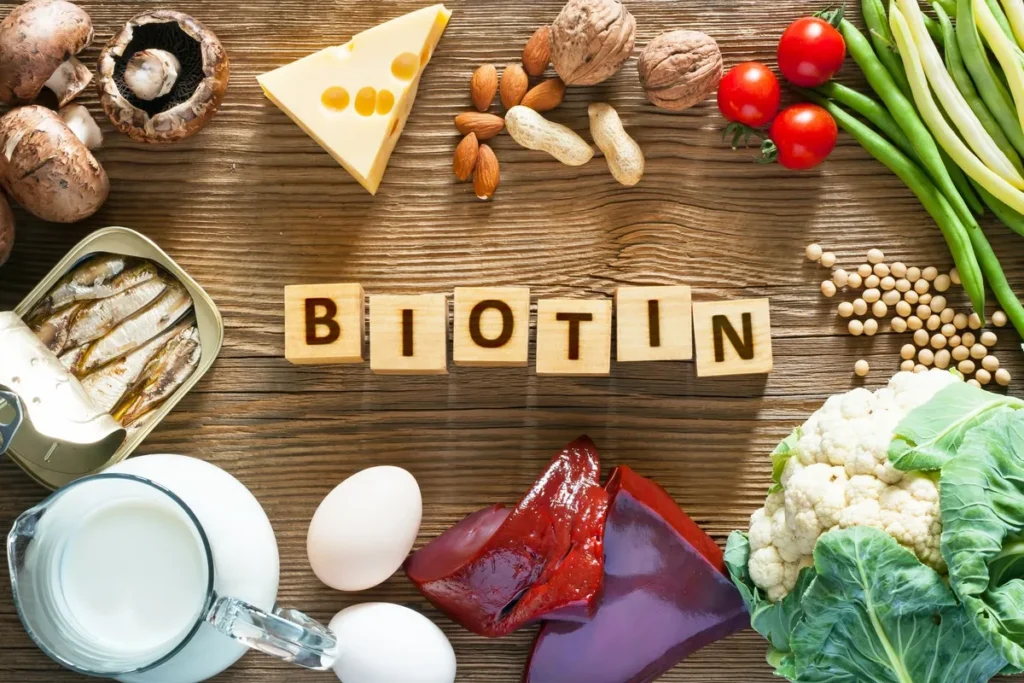
Biotin, also known as Vitamin B7, is a key nutrient for our bodies. It’s a water-soluble vitamin, part of the B-complex vitamins. These vitamins help turn food into energy and support many metabolic processes.
What is Biotin (Vitamin B7)?
Biotin is important for the health of hair, skin, and nails. It’s why many beauty supplements include it. It helps break down carbohydrates, fats, and proteins into energy.
Biotin is key in cellular energy metabolism and processing macronutrients. Without enough biotin, you might see skin rashes, hair loss, and other health issues. This shows how vital it is for our health.
Biological Roles in Metabolism
Biotin works as a coenzyme for carboxylase enzymes. These enzymes are important for breaking down fats, carbs, and amino acids. It helps in gluconeogenesis, fatty acid synthesis, and the citric acid cycle. This supports energy production and keeps metabolism healthy.
Knowing how biotin helps in metabolism and supports healthy hair, skin, and nails is important. It shows why we need enough biotin in our diet.
Recommended Daily Intake of Biotin

The daily biotin intake changes with age and life stage. It’s key to know these differences to get enough nutrition.
Standard Dietary Recommendations for Adults
Adults over 19 need 30 micrograms (mcg) of biotin each day. This amount is based on what most people need to stay healthy.
Biotin intake recommendations help most people stay healthy. The 30 mcg daily intake supports biotin’s role in metabolism and energy.
Special Requirements During Pregnancy and Breastfeeding
Pregnant women should also get 30 mcg of biotin daily. This amount is enough for the baby’s growth.
Breastfeeding moms need 35 mcg of biotin. This helps ensure both mom and baby get enough biotin.
Remember, these are just guidelines. Your needs might be different. Always talk to a healthcare provider to find out what’s best for you.
How Much Biotin Is Too Much? Research on Upper Limits
Understanding biotin’s upper limits is key to its safety. Biotin, or Vitamin B7, is vital for our metabolism. As more people take supplements, knowing safe amounts is important.
No Established Toxic Level in Healthy Adults
Research shows no toxic level for biotin in healthy adults. Doses up to 10 to 50 milligrams are safe, even over 1000 times the recommended amount. Experts say, “Biotin is generally well-tolerated even at high doses.”
A 10000 mcg (10 mg) dose is safe for most healthy people. This is backed by many clinical studies on high-dose biotin.
Safety of High-Dose Biotin (10-50 mg)
Studies on biotin doses from 10 to 50 mg show no harm. For example, a study found that “high doses of biotin are safe for healthy adults.”
Clinical Studies Using 100-600 mg Doses
Clinical studies have used 100 to 600 mg biotin doses for medical treatments. These studies found no major side effects. Researchers say, “The absence of significant toxicity at high doses makes biotin a potentially useful therapeutic agent.”
In summary, research shows biotin is safe for healthy adults at doses much higher than the daily recommended amount. This is without causing toxicity or harm.
Potential Concerns with Excessive Biotin
Too much biotin can cause problems, but they’re mostly about messing with lab tests. It can make blood test results look off.
Laboratory Test Interference
Biotin supplements can mess with lab tests, giving wrong results. This can mess up tests for thyroid function, hormone levels, and heart attack markers. The FDA warns about this, telling patients to tell their doctors about biotin before tests.
Tests Affected by Biotin Supplementation:
Thyroid function tests
Hormone level tests
Cardiac marker tests
Who Should Exercise Caution with Biotin Supplements
Some people need to be careful with biotin supplements. This includes those with certain health issues or taking specific medicines.
Individuals who should consult their healthcare provider before taking biotin supplements:
Pregnant or breastfeeding women
Individuals with thyroid disorders
Patients taking medications that could interact with biotin
It’s key for these folks to talk to their doctor about biotin. This helps avoid any issues.
Conclusion: Biotin Safety Guidelines
Biotin is usually safe and well-tolerated, even at high doses. It’s important to know how much is too much biotin for safe use.
Most research shows biotin is safe for most people. But, knowing the risks of too much is key. Always talk to a healthcare provider before starting biotin supplements, even at high doses.
Following biotin safety guidelines means being careful with your daily intake. Knowing how much is too much biotin daily helps avoid bad effects. While too much biotin is rare, it’s wise to be cautious, mainly for those with health issues.
Before starting biotin, think about your health and needs. A healthcare professional can guide you on the right dose. This helps avoid risks from too much biotin or the question can you take too much biotin.
FAQ
Does Biotin Help with Hair Growth?
No strong evidence for healthy people; mainly benefits deficiencies.
How Does Biotin Help Hair Health?
Supports keratin production if deficient, strengthening strands.
Can Biotin Help with Alopecia?
Limited; aids specific types like uncombable hair syndrome.
Will Biotin Make Hair Grow Faster?
Unlikely without deficiency; studies show no speedup.
Is Biotin Effective for Hair Regrowth?
Not proven in healthy individuals; placebo matches often.
How Good Is Biotin for Hair Health?
Poor for general use; effective only in rare deficiencies.
Does Biotin Work for Hair Growth?
Mostly not; works in biotinidase deficiency or isotretinoin use.
Conditions Responding to Biotin?
Uncombable hair syndrome, short anagen, biotinidase/holocarboxylase deficiency.
References
National Center for Biotechnology Information. Evidence-Based Medical Insight. Retrieved from https://www.ncbi.nlm.nih.gov/books/NBK114313/





