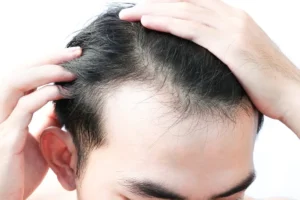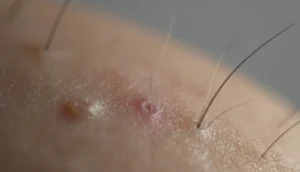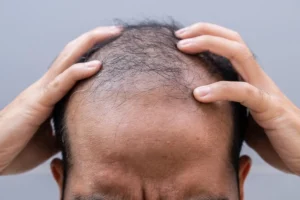

A scalp yeast infection can be quite uncomfortable. It shows up as itchy, red, or purple patches and flakes that look like dandruff. This problem usually happens when there’s too much of a fungus, with Malassezia being the main culprit.
It’s important to know what you’re dealing with and its symptoms. A scalp yeast infection, linked to yeast overgrowth, needs a detailed treatment plan.
Key Takeaways
Scalp yeast infections cause itchy, red, or purple patches and dandruff-like flakes.
The condition is mainly caused by too much fungus like Malassezia.
Understanding the condition is key to proper treatment.
Symptoms include itchiness and visible skin changes.
Effective treatment needs a thorough approach.
Understanding Candida Scalp Infections
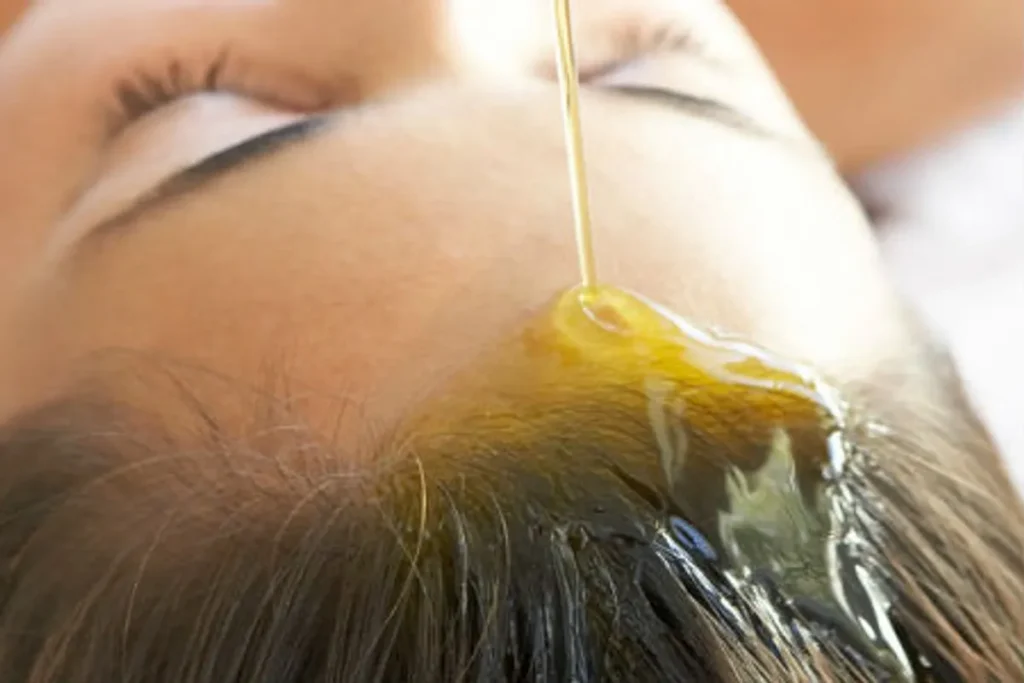
It’s important to know why Candida scalp infections happen. These infections occur when there’s too much of the fungus Candida on the scalp. This fungus is usually found on the skin but can grow too much.
What Causes Yeast Overgrowth on the Scalp
Many things can lead to yeast overgrowth on the scalp. Eating too much sugar and processed foods can help yeast grow. Also, using harsh chemicals in hair care products can upset the scalp’s natural balance.
Living in a humid climate can also make yeast infections worse. This is because yeast loves moist environments. Plus, a weak immune system makes it harder to fight off Candida infections.
Risk Factors for Developing Scalp Yeast Infections
Some people are more likely to get scalp yeast infections. If you have a weak immune system, sweat a lot, or have uncontrolled diabetes, you’re at higher risk. These conditions make it easier for Candida to grow.
A weak immune system makes it hard to fight off infections, letting Candida grow.
Excessive sweating creates a moist scalp, perfect for yeast.
High blood sugar from uncontrolled diabetes also helps yeast grow.
Knowing the causes and risks can help prevent scalp yeast infections. It’s also important to know how to treat them, like learning how to get rid of yeast on the scalp properly.
Recognizing Scalp Yeast Infection Symptoms
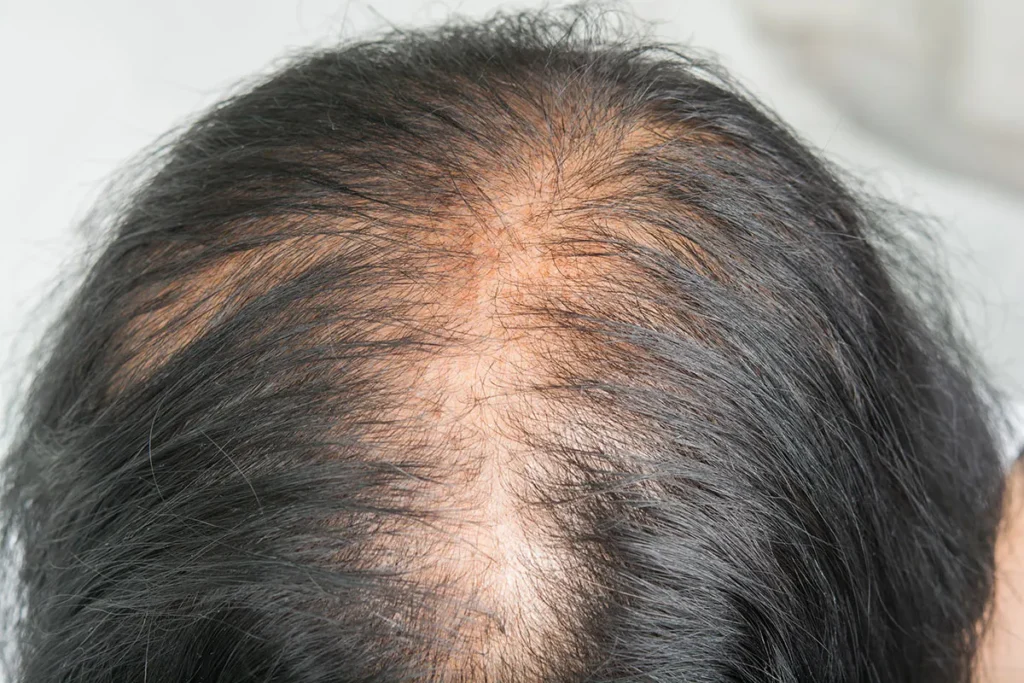
Spotting the signs of a scalp yeast infection is key to feeling better. These infections happen when Candida grows too much. They can cause a lot of discomfort.
Everyone’s symptoms are different, but some common ones include itching, redness, and inflammation. You might also see flaking, like dandruff. If not treated, it can get worse.
Common Signs of Candida on the Scalp
Itching and redness are common symptoms. The itching can be very annoying and make you scratch a lot. This can make the scalp even more irritated.
Flaking and inflammation are other signs. The flaking might look like dandruff but is more persistent. It often comes with redness and swelling.
Scalp Yeast Infection and Hair Loss Connection
A scalp yeast infection can cause hair loss if not treated. It can harm the hair follicles, making hair fall out. Sometimes, this is temporary, but severe cases can cause permanent damage.
It’s important to know how scalp yeast infections and hair loss are connected. If you’re losing hair and have symptoms like itching and flaking, get medical help. This can help treat the infection and prevent further hair loss.
Effective Treatment Options for Scalp Yeast Infections
Scalp yeast infections can be treated with various methods. These include antifungal shampoos and natural remedies. The right treatment depends on the infection’s severity and personal preferences.
Over-the-Counter Antifungal Treatments
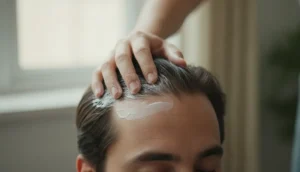
For mild to moderate infections, over-the-counter (OTC) antifungal shampoos are a good start. These shampoos have ingredients like ketoconazole, selenium sulfide, or zinc pyrithione. They help control yeast growth and ease symptoms.
Some well-known OTC antifungal shampoos are:
Nizoral (ketoconazole)
Selsun Blue (selenium sulfide)
Head & Shoulders (zinc pyrithione)
It’s important to follow the instructions for OTC shampoos. Keep using them for the full treatment time, usually weeks, to clear the infection.
Prescription Medications for Severe Infections
For severe or ongoing infections, prescription treatments are needed. This can include stronger shampoos or oral medications.
Prescription shampoos may have more of ingredients like ketoconazole or ciclopirox. Oral medications, such as fluconazole or terbinafine, are for infections that don’t get better with topical treatments.
Natural Remedies for Scalp Yeast
Natural remedies can also help with scalp yeast infections. Some options include:
Tea tree oil: It has antifungal properties and can be added to shampoos or used as a scalp treatment.
Apple cider vinegar: It can balance the scalp’s pH and reduce yeast when used as a final rinse after shampooing.
Coconut oil: It has antifungal properties and can soothe the scalp.
Always talk to a healthcare professional before trying new treatments, including natural remedies with conventional ones.
Conclusion
It’s important to understand and treat candida yeast on the scalp. This helps manage the condition and stops it from getting worse. Scalp yeast infections can cause discomfort and even lead to hair loss if not treated.
Knowing the signs of a yeast infection on the scalp is key. Symptoms include itching, redness, and flaking. By recognizing these signs early, you can get treatment quickly.
There are many ways to treat scalp yeast infections. You can use over-the-counter antifungal treatments, prescription meds, or natural remedies. By using these treatments, you can help your scalp health and prevent future problems.
What is a scalp yeast infection?
A scalp yeast infection is caused by an overgrowth of yeast, usually Malassezia, leading to irritation, flaking, and redness on the scalp.
How do I know if I have a scalp yeast infection?
Signs include persistent itching, redness, greasy or flaky patches, unpleasant odor, and sometimes hair thinning.
Can a yeast infection on the scalp cause hair loss?
Yes, severe or untreated infections can weaken hair follicles, leading to temporary hair loss.
What causes yeast overgrowth on the scalp?
Overgrowth can be triggered by oily scalp, poor hygiene, weakened immunity, stress, or using certain hair products.
How can I treat a scalp yeast infection?
Treatment includes antifungal shampoos, topical antifungal creams, and in some cases, oral antifungal medications prescribed by a doctor.
Are there any natural remedies for scalp yeast infections?
Natural remedies like tea tree oil, apple cider vinegar rinses, and aloe vera may help soothe symptoms but are usually less effective than medical treatments.
Can I prevent scalp yeast infections?
Yes, by maintaining scalp hygiene, avoiding heavy oily products, and keeping the scalp dry and clean.
How long does it take to recover from a scalp yeast infection?
Recovery usually takes 2–6 weeks with proper treatment, depending on severity.
Can scalp yeast infections be contagious?
They are not highly contagious but can spread in rare cases through direct contact or sharing contaminated hair tools.
FAQ
National Center for Biotechnology Information. Evidence-Based Medical Insight. Retrieved from https://pubmed.ncbi.nlm.nih.gov/25324649/