
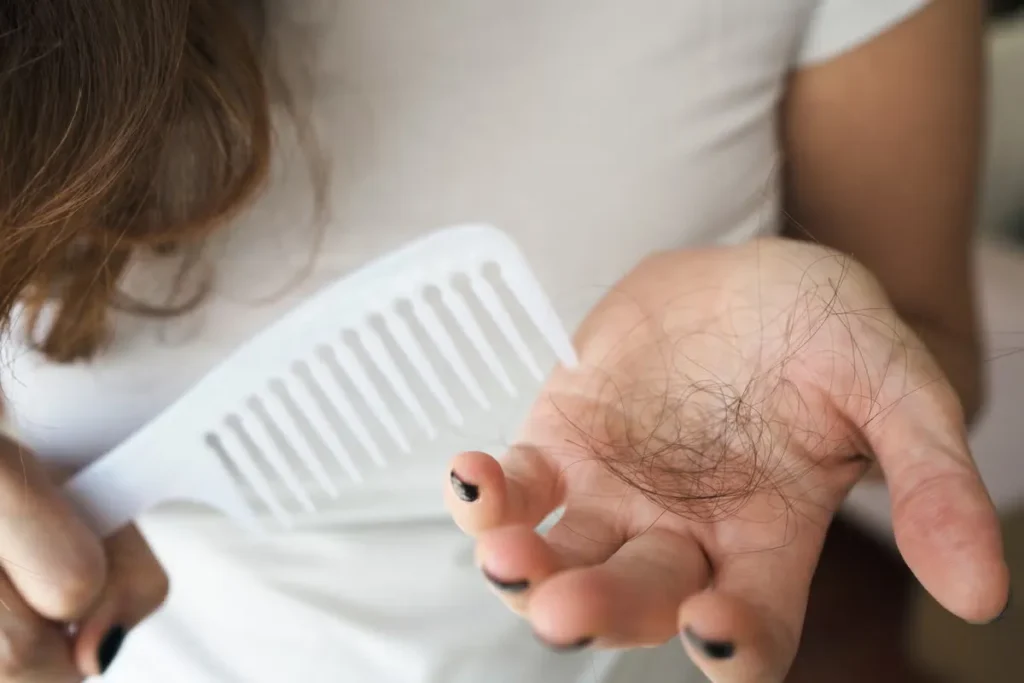
Many people who got over COVID-19 find themselves dealing with hair loss. This issue is a big worry for millions around the world. It’s a major concern for those recovering from COVID.
Studies show that up to 25% of those who beat COVID see their hair thinning a lot. This makes it a common but often overlooked problem after COVID.
At Gold City Hair, we know how much hair loss after COVID can hurt your life and how you feel about yourself. Our team is here to help. We offer reliable, science-backed advice and care for your hair thinning. We focus on you, using the best global standards.
Key Takeaways
Up to 25% of COVID survivors experience significant hair loss.
Post-COVID hair thinning is a common aspect of post-COVID syndrome.
Hair loss after COVID can impact quality of life and self-confidence.
Evidence-based evaluation and management are key for post-COVID hair thinning.
Specialized care, like at Gold City Hair, offers effective solutions.
The Reality of COVID Hair Loss
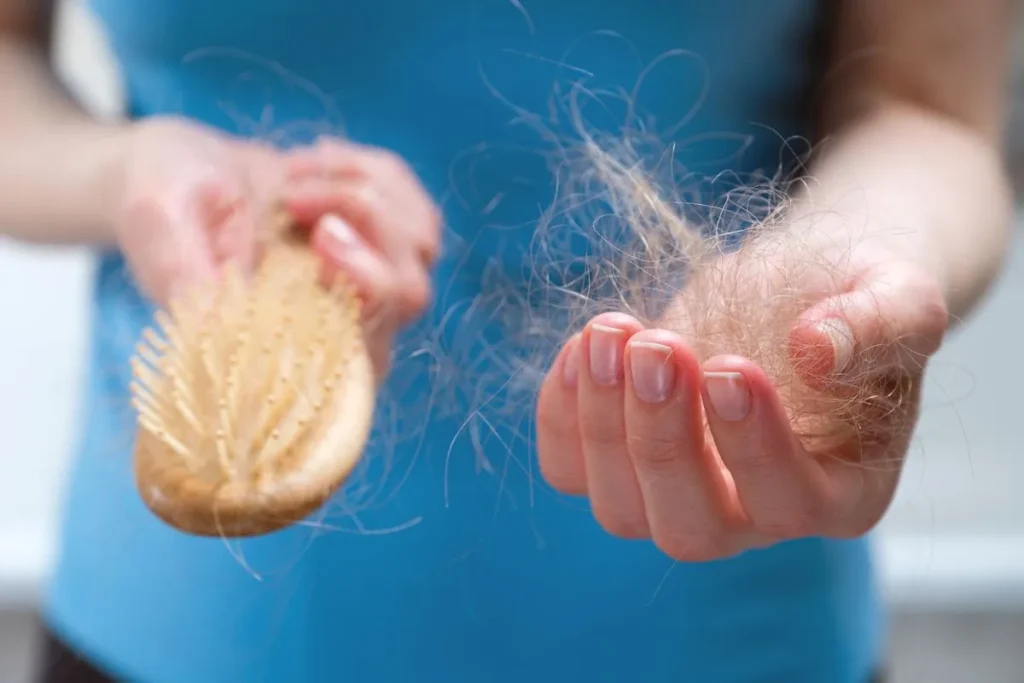
The COVID-19 pandemic has shed light on a condition called telogen effluvium, or COVID hair loss. It’s a big worry for many who got over the virus.
What is Telogen Effluvium?
Telogen effluvium happens when stress, physical or emotional, makes hair follicles stop growing. This leads to a lot of hair falling out about 2-3 months later. COVID-19 can be a big stress for the body, causing this hair loss. Research shows that the virus’s inflammation and immune response can mess with hair growth.
Statistics and Timeline of Post-COVID Hair Shedding
Many people who had COVID-19 lose their hair. This usually starts 2-3 months after getting sick and can go on for months. It’s good to know that for most, hair loss after COVID-19 is temporary.
Recent studies say that telogen effluvium is common in COVID-19 patients. It shows we need to take care of ourselves after getting over COVID, including dealing with hair loss.
Mechanisms Behind Post-COVID Hair Thinning
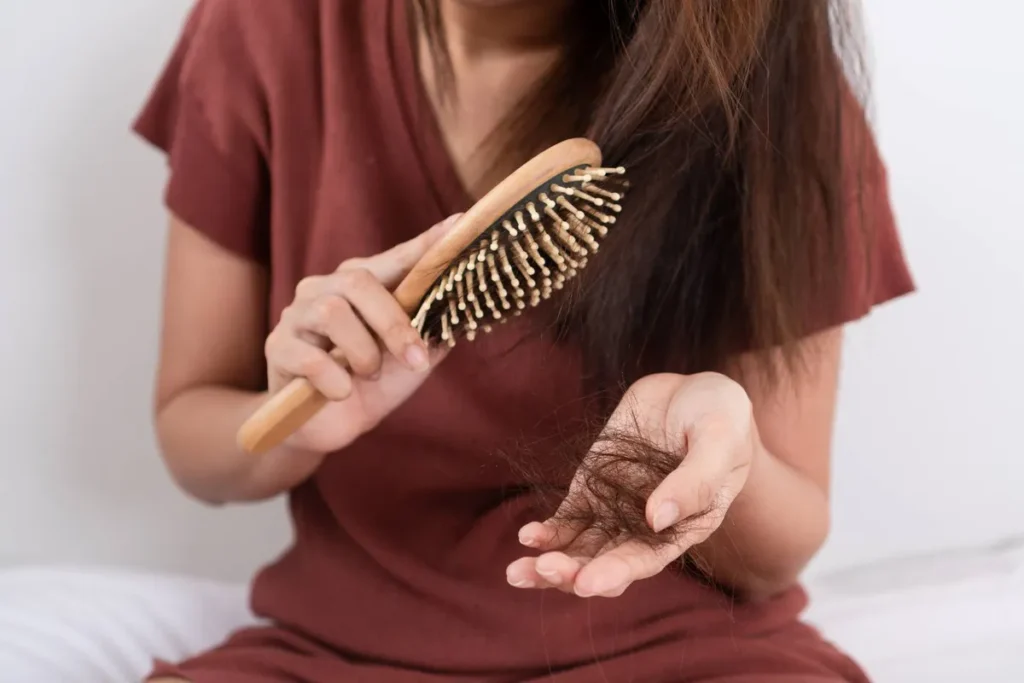
Understanding why hair thins after COVID is key. This issue is complex, influenced by physical and mental stress from the illness.
Systemic Inflammation and Immune Dysregulation
Systemic inflammation and immune issues are major causes of post-COVID hair loss. COVID-19’s inflammatory response can disrupt hair growth. Medical Expert, a dermatologist, notes that this inflammation can push more hair follicles into the resting phase, causing excessive shedding.
The immune system’s fight against COVID-19 can also lead to autoimmune reactions. This can further contribute to hair loss. Studies show that people with autoimmune conditions are more likely to experience hair loss after COVID-19.
Nutritional Deficiencies During Illness
Nutritional deficiencies play a big role in post-COVID hair thinning. When sick, people often eat less, missing out on important nutrients. Nutrients like iron, zinc, and biotin are vital for healthy hair.
A diet lacking these nutrients can make hair thinning worse. It’s important to eat well to support hair health during and after illness.
Psychological Stress Impact
Stress is a known cause of hair loss, and COVID-19 has caused a lot of stress. The stress of getting sick and the broader societal impacts can trigger or worsen hair loss.
As Medical Expert, a psychologist, explains, “The psychological burden of COVID-19 can lead to telogen effluvium, a condition characterized by excessive hair shedding due to stress.”
Long COVID and Persistent Hair Loss
For some, COVID-19 can lead to long-term health issues, known as Long COVID. This can affect hair growth systems for a long time. Long COVID’s ongoing inflammation and immune issues can cause sustained hair thinning.
Research shows that those with Long COVID may face a higher risk of prolonged hair loss. It’s important to address the causes of Long COVID to help hair health.
Treatment Approaches for COVID-Related Hair Loss
Dealing with hair loss after COVID needs a full plan. This includes medical treatments, changing what you eat, and how you live. A good plan mixes these to tackle the reasons behind hair loss after COVID-19.
Medical Interventions
Medical treatments are key in fighting COVID hair loss. Some treatments are:
Minoxidil: A scalp solution to boost hair growth and slow loss.
Finasteride: A pill to block DHT, a hormone linked to hair loss.
Low-Level Laser Therapy (LLLT): A treatment using lasers to grow hair.
These treatments can work well. But, always talk to a doctor before starting any treatment.
Nutritional Support and Lifestyle Modifications
Not getting enough nutrients can make hair loss worse. Eating the right foods is key for hair health. Important nutrients include:
Iron: Needed for hemoglobin, which brings oxygen to hair follicles.
Zinc: Helps hair grow and stay healthy by keeping follicles in check.
Vitamin D: Good for overall health and might help with hair growth.
Changing your lifestyle can also help your hair. Reducing stress, exercising, and sleeping well can make your hair healthier.
By mixing medical treatments with good nutrition and lifestyle changes, you can fight COVID hair loss effectively.
Conclusion
COVID-related hair loss is a common problem for many after they get better. It’s called telogen effluvium and leads to a lot of hair falling out. This usually happens 2-3 months after someone has COVID-19.
It’s important to understand why hair loss happens after COVID. Things like inflammation, not getting enough nutrients, and stress can cause it. Most people see their hair grow back in 6-9 months, but it can take longer for some.
To deal with hair loss after COVID, a full plan is needed. This includes medical help, eating right, and making lifestyle changes. Knowing how COVID affects hair can help people find ways to make their hair grow back.
FAQ
Does COVID-19 cause hair loss?
Yes, hair loss is a common “consequence” of COVID-19 infection rather than a direct symptom of the virus itself. About 20% to 30% of people who contract the virus experience temporary hair shedding, which usually begins roughly two to three months after they have recovered from the illness.
What is telogen effluvium?
Telogen effluvium is a temporary hair loss condition triggered by a major shock to the system, such as a high fever, severe illness, or intense emotional stress. This shock pushes a much larger percentage of your hair—up to 50%—into the resting phase simultaneously, causing it to fall out all at once a few months after the event.
How common is hair loss after COVID-19?
Clinical data from 2026 confirms that nearly one in three COVID-19 survivors experiences significant shedding. While it can affect anyone, it is most frequently reported in women and those who experienced moderate to severe infections, though even mild cases can lead to noticeable thinning.
What are the underlying mechanisms of post-COVID hair loss?
The primary mechanism is a pro-inflammatory response where cytokines disrupt the hair growth cycle and inhibit follicle development. Additionally, the virus’s impact on blood vessels can reduce nutrient delivery to the scalp, forcing follicles into a dormant state to conserve energy during the recovery process.
Can nutritional deficiencies during COVID-19 contribute to hair loss?
Nutritional depletion is a major factor, as the body prioritizes fighting infection over “non-essential” functions like hair growth. Deficiencies in iron, zinc, and vitamin D are common during recovery, and without these building blocks, the hair follicles cannot easily re-enter their active growth phase.
How does long COVID impact hair loss?
For those with long COVID, hair loss is often a persistent symptom that can lead to chronic telogen effluvium, where shedding lasts longer than the typical six-month window. Ongoing systemic inflammation and chronic stress associated with a long recovery can keep the hair follicles in a resting state for an extended period.
What treatment options are available for COVID-related hair loss?
Standard treatments in 2026 include topical minoxidil to stimulate follicles and oral supplements like vitamin D and zinc to replenish depleted stores. Many dermatologists also recommend Platelet-Rich Plasma (PRP) therapy or low-level laser therapy to accelerate regrowth by delivering growth factors directly to the scalp.
Can hair loss due to COVID-19 be reversed?
The good news is that post-COVID hair loss is almost always temporary and fully reversible because the follicles themselves are not permanently damaged or scarred. Once the underlying trigger—whether it be inflammation, stress, or a deficiency—is resolved, the hair follicles will naturally reset and begin producing new strands.
How long does it take to recover from post-COVID hair loss?
While the shedding typically lasts for three to six months, visible regrowth usually begins within three to four months after the heavy shedding stops. Depending on your hair length and overall health, it may take 6 to 12 months for your hair to return to its original density and volume.
References
National Center for Biotechnology Information. Evidence-Based Medical Insight. Retrieved from https://pmc.ncbi.nlm.nih.gov/articles/PMC10961269/





