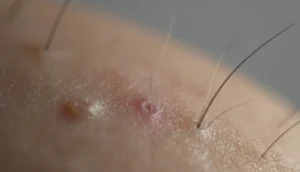

Hair loss worries millions worldwide. It affects how we look and how we feel about ourselves. Knowing why it happens and how to stop it is key.
Hair loss, or alopecia, can stem from genes, hormones, or our lifestyle. There are many ways to treat it, from medicines to changing our habits.
Looking into these treatments and their before and after results helps us choose the right path for our hair. Simple changes like what we eat and scalp massages can make a big difference.
Key Takeaways
Understanding the causes of hair loss is vital for finding the right cure.
There are many ways to treat hair loss, from medicines to lifestyle changes.
Seeing the before and after results helps us decide on our hair care.
Scalp massages and other alternative therapies can help with hair loss.
Creating a treatment plan that fits you can greatly improve your hair growth.
Understanding Hair Loss Patterns and Causes
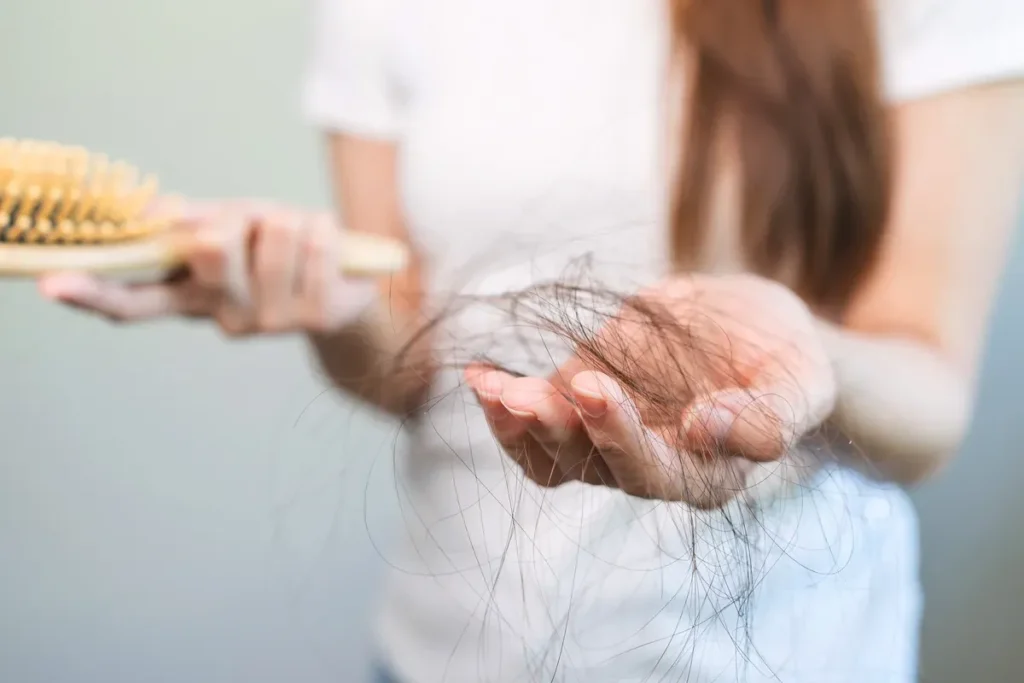
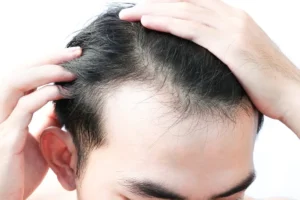
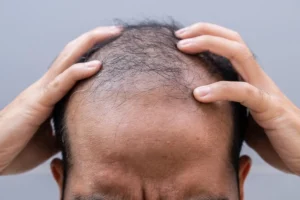
Hair loss shows up differently in men and women. Men often see their hairline recede or lose hair at the crown. Women usually notice thinning hair all over their scalp. Knowing these differences is key to finding the right treatment.
The Science Behind Hair Fall in Men vs. Women
Hair loss is a complex issue. It involves genetics, hormones, and more. In men, androgenetic alopecia is a common cause. It happens when testosterone turns into dihydrotestosterone (DHT), shrinking hair follicles. Women often lose hair due to hormonal shifts, like during menopause or with PCOS.
Common Triggers: Genetics, Hormones, and Lifestyle Factors
Many things can lead to hair loss. These include:
Genetics: Family history matters for both men and women.
Hormonal Imbalance: Hormonal changes can cause hair loss.
Lifestyle Factors: Tight hairstyles, too much heat styling, and not eating well can also play a part.
Spotting these triggers is important for picking the right treatment.
Identifying Your Hair Loss Stage
Knowing your hair loss stage is critical for choosing the right treatment. The Norwood Scale helps classify hair loss in men. The Ludwig Scale does the same for women. This helps decide between medical treatments, lifestyle changes, or surgery.
By fully understanding hair loss patterns and causes, people can make better treatment choices. This could lead to more successful results.
Proven Treatments for Hair Fall: Before and After Results
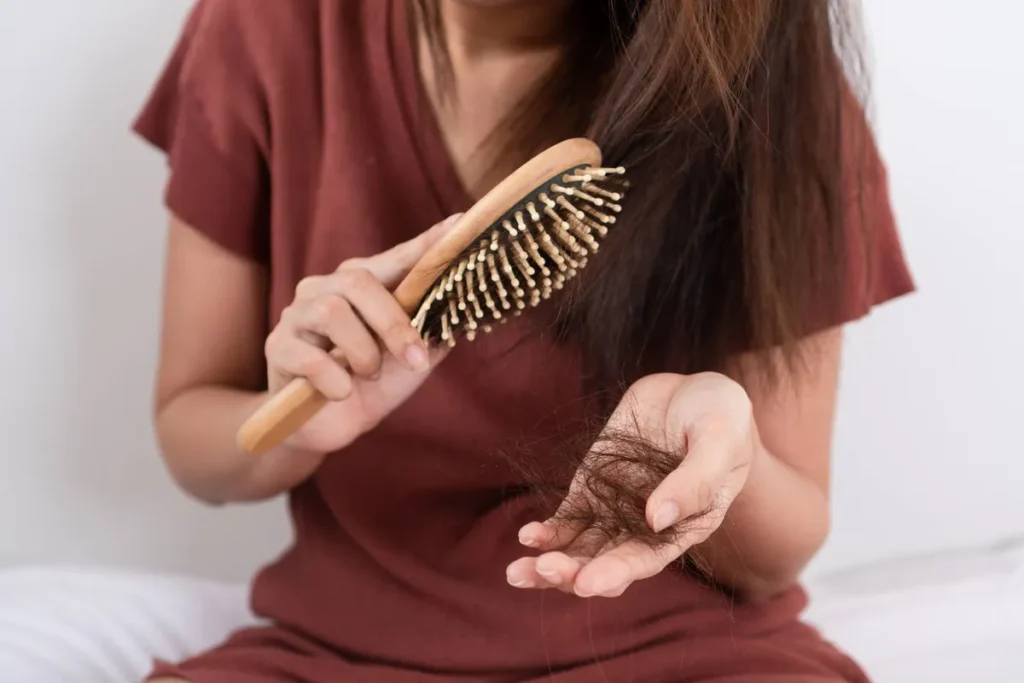
Effective hair loss treatments can greatly improve hair growth and cut down on shedding. Minoxidil and finasteride are top choices, showing good results before and after use. Minoxidil is applied to the scalp to boost hair growth. Finasteride is taken by mouth to stop testosterone from turning into DHT, a hormone linked to hair loss.
Photos show how well these treatments work. Minoxidil can make hair thicker and reduce falling out. Finasteride slows down hair loss and helps hair grow. Eating more protein and following a Mediterranean diet can also help hair health and growth.
Scalp massage and low-level laser therapy are also promising for hair growth. Looking at before and after results helps people understand what to expect. With the right treatment, you can see a big improvement in hair health and feel more confident.
FAQ
Most Common Causes of Hair Loss?
Genetics (androgenetic alopecia), hormonal changes, stress (telogen effluvium), nutritional deficiencies, medical conditions, medications, tight hairstyles.
Hair Loss Differences Men vs. Women?
Men: receding temples/crown (M-shape); women: diffuse thinning/widening part, preserved hairline.
Most Effective Hair Loss Treatments?
Minoxidil (topical), finasteride (men), PRP, low-level laser, hair transplants; early use maximizes results.
Timeline for Treatment Results?
Minoxidil: 3-6 months; finasteride: 6-12 months; shedding first 1-3 months normal.
Can Hair Loss Be Reversed?
Lifestyle Changes to Prevent Hair Loss?
Minoxidil Before/After Results?
Before: thinning; after 6 months: 30-60% density increase, filled hairline/crown.
How Finasteride Works?
Blocks DHT enzyme conversion shrinking follicles; regrows/maintains in 80-90% men.
References
National Center for Biotechnology Information. Evidence-Based Medical Insight. Retrieved from https://pmc.ncbi.nlm.nih.gov/articles/PMC9298335/[5