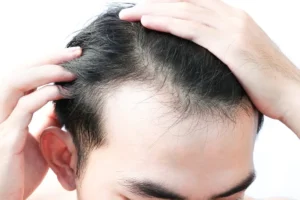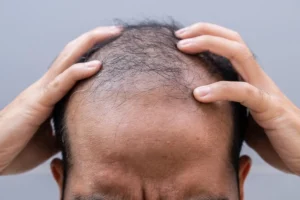
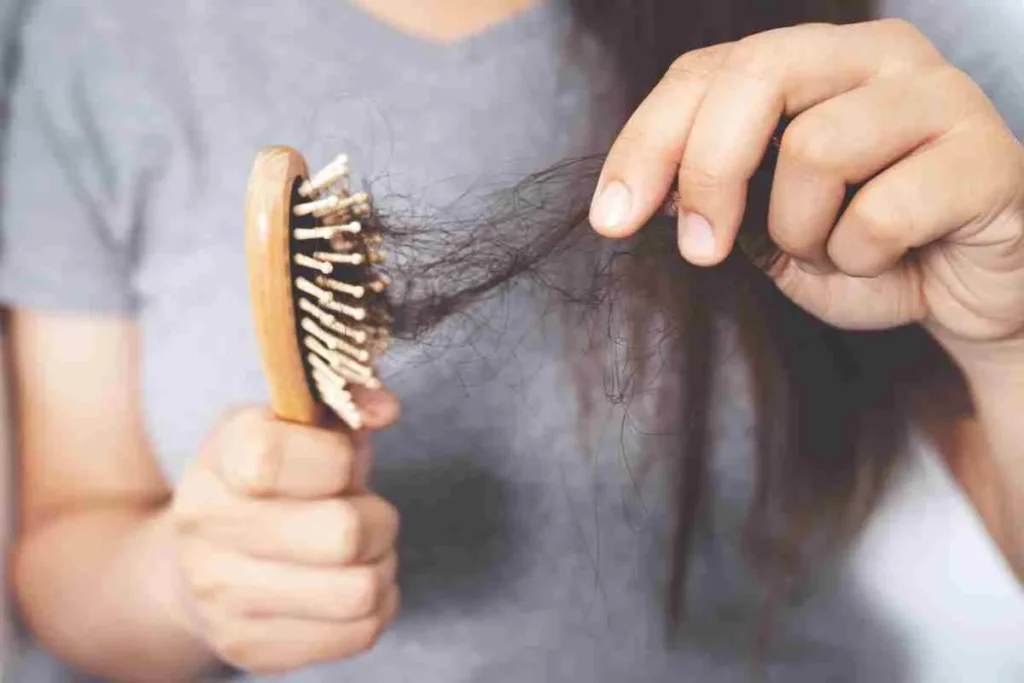
Excessive hair loss can be really upsetting. It affects how you look and how you feel. Millions of people around the world deal with this problem. In fact, 85% of men and 33% of women experience hair loss at some point.
But, there’s good news. Knowing why you’re losing hair and using the right strategies can help a lot. Whether it’s stress, not getting enough nutrients, or damage from harsh treatments, you can grow your hair back. The key is to find the right approach.
Key Takeaways
Understanding the causes of hair loss is key to treating it.
Nutritional deficiencies and stress are common reasons for hair fall.
Using proven strategies can greatly reduce hair loss.
With the right treatment, you can grow your hair back completely.
Harsh treatments can damage your hair and cause it to fall out.
Understanding Hair Fall: Causes and Statistics
It’s important to know why hair falls out to find good solutions. Hair loss is common and affects many people.
The Prevalence of Hair Loss Across Genders and Ages
Recent studies show that 85% of men and 33% of women experience hair loss. By age 35, about 40% of men notice hair loss. These numbers show how common hair fall is and its effect on different groups.
Primary Causes: Genetics, Diet, and Lifestyle Factors
Hair fall comes from genetics, diet, and lifestyle. Not getting enough nutrients can lead to hair loss. Genetics also play a big role.
The Critical Role of Stress in Hair Loss
Stress is a big factor, with stressed women being 11 times more likely to lose hair. So, managing stress is key to stopping hair loss.
Knowing the causes of hair fall is the first step to solving it. By understanding what leads to hair loss, we can take steps to prevent it.
How to Stop Hair Fall Immediately: 7 Proven Tips
Stopping hair fall right away needs a mix of diet changes, better hair care, and managing stress. Hair loss can really upset people, affecting how they feel about themselves. Luckily, there are many ways to fight this problem.
1. Optimize Your Diet with Protein and Essential Vitamins
Eating well is key for hair to grow strong. Foods like fish, eggs, and nuts are full of protein. Vitamins like Biotin, Vitamin C, and Vitamin E also help a lot. Biotin turns protein into energy, Vitamin C makes collagen, and Vitamin E helps blood get to the scalp.
A study in the Journal of Clinical and Aesthetic Dermatology shows that not getting enough nutrients hurts hair. Eating enough of these nutrients can make hair follicles stronger and cut down on hair loss.
2. Modify Your Hair Care Routine
Changing how you take care of your hair can really help. Use gentle shampoos and avoid heat styling tools. Be gentle when combing or brushing your hair. Also, use a wide-tooth comb to prevent breakage.
3. Implement Stress Management Practices
Stress can make hair fall out. Doing things like yoga, meditation, or deep breathing can help. Exercise is also great for lowering stress.
A study in the Journal of Alternative and Complementary Medicine shows yoga can lower stress and improve well-being. This can help hair health too.
4. Utilize Scalp Massage for Improved Circulation
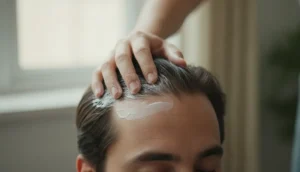
Scalp massage boosts blood flow, helping hair grow. Use oils like coconut or olive oil for extra nourishment. Onion juice, rich in sulfur, can also help with collagen and hair growth.
Massage your scalp gently in circular motions for 5-10 minutes.
Use oils like coconut or olive oil to nourish the scalp.
Consider using onion juice for its sulfur content.
By adding these tips to your daily routine, you can greatly reduce hair fall and help your hair grow stronger.
Long-Term Prevention Strategies for Healthier Hair
Keeping your hair healthy for the long term needs a mix of medical treatments, lifestyle changes, and expert advice. To really stop hair from falling out, you need to know about all the options out there.
Evidence-Based Medical Treatments
Medical treatments like minoxidil and finasteride work well for some hair loss types. They can be used with other methods to minimize hair fall.
Sustainable Lifestyle Adjustments
Changing your lifestyle for the better is key for long-term hair health. Eat a balanced diet full of vitamins and minerals. Also, take care of your hair gently and manage stress. These steps can help reduce hair loss over time.
When to Seek Professional Help
If you’re losing a lot of hair, it’s important to know what will stop hair loss and when to get help. Talking to a dermatologist or healthcare expert can give you tailored advice and treatment plans.
Conclusion
Stopping hair fall needs a mix of actions. Knowing why hair falls out and using the right methods is key. Eating well, changing hair care, and handling stress are important steps in how can i stop my hair fall.
Being consistent and patient is vital. Hair growth cycles take time. By following the tips shared, people can how to stop my hair from falling and improve their hair health. It’s about making lasting lifestyle changes that help hair grow.
In the end, how can i control my hair fall is achievable with the right approach. By sticking to these practices, people can have a fuller, healthier head of hair.
FAQ
Stop Hair Fall Immediately?
Primary Causes of Hair Loss?
Genetics (androgenetic alopecia), hormonal imbalances, stress, nutritional deficiencies, medications, thyroid issues.
Dietary Changes Reduce Hair Fall?
Stress Contribution to Hair Loss?
Medical Treatments Available?
Minoxidil (40-85% response), finasteride (83% maintenance), PRP (30% density gain), laser therapy.
Seek Professional Help When?
Scalp Massage Reduce Hair Fall?
Control Hair Fall Naturally?
Possible to Stop Completely?
References
National Center for Biotechnology Information. Evidence-Based Medical Insight. Retrieved from https://pubmed.ncbi.nlm.nih.gov/29344313/