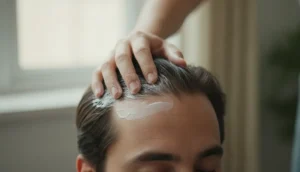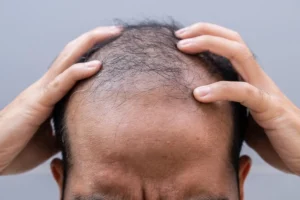

Millions of people worldwide face the challenge of damaged hair. But, new ways to fix it offer hope. Studies show that while we can’t fix permanent damage, we can restore hair health with the right steps.
Damaged hair often shows split ends, flyaways, and a dry, brittle feel. Breakage can make hair look dull and frizzy. At Gold City Hair, experts use the latest science and care for each patient to fix even the worst hair damage.
To fix damaged hair, we need to know why it’s damaged and use the best treatments. With the right plan, we can restore hair health and stop more damage.
Key Takeaways
Damaged hair can be restored with the right interventions.
Understanding the causes of hair damage is key for fixing it.
Strategic treatments can stop further damage.
Restoring hair health needs a full plan.
Expert care can greatly improve hair restoration.
Understanding Hair Damage: Causes and Science
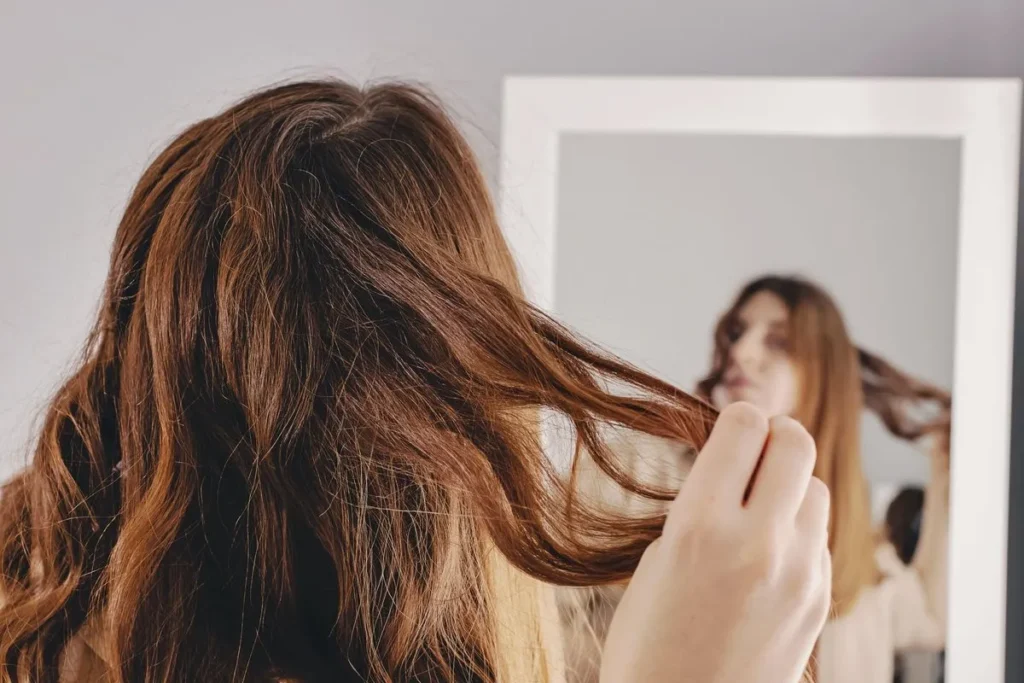
Knowing why hair gets damaged is key to fixing it. Hair damage comes from many sources, like chemical treatments, heat styling, and the environment.
Common Causes of Hair Damage
Chemical treatments, like bleaching and hair coloring, harm hair a lot. Bleaching breaks the hair’s bonds, making it dry and brittle. Hair coloring can also damage by lifting the hair’s outer layer.
The Science of Hair Structure Deterioration
Hair has layers, with the cuticle being the outermost. Damage to the cuticle lets the inner layers show, causing more harm. Main causes of this damage are:
Chemical processing
Excessive heat styling
Environmental factors like UV rays and pollution
Assessing Your Hair’s Damage Level
To fix damaged hair, you need to know how bad it is. Look at the hair’s elasticity, shine, and breakage. If it’s not elastic, dull, or breaks a lot, it’s badly damaged.
How to Repair Damaged Hair: Professional Treatments and Solutions
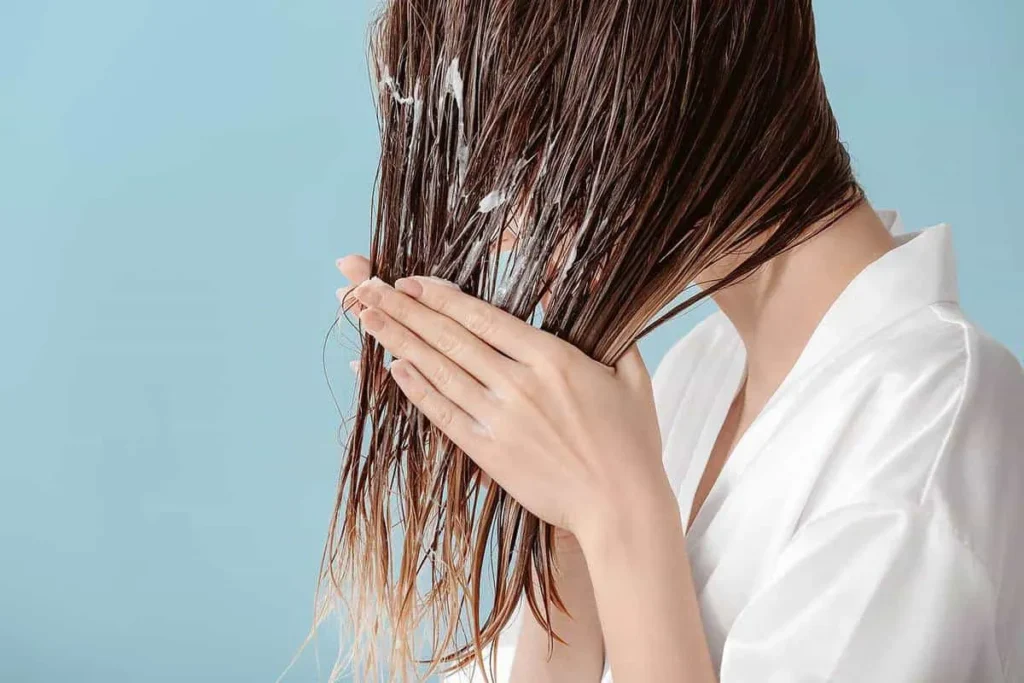
Fixing damaged hair needs special treatments made just for you. At Gold City Hair, we use the latest science to fix your hair. We focus on professional treatments to help your hair get better.
Protein Treatments for Structural Repair
Protein treatments are key for fixing damaged hair. They fix the hair’s structure, making it strong and flexible again. Protein-based products mend the hair shaft and make it stronger.
These treatments are great for hair damaged by chemicals, heat, or the environment. Doing them regularly keeps your hair healthy and stops more damage.
Deep Conditioning Therapies
Deep conditioning is also vital for hair repair. It involves using a deep conditioning mask for a long time. This makes the hair soft and easy to handle.
You can do deep conditioning at home or at a salon. For really damaged hair, salon treatments are best because they give more nourishment.
Salon Treatments Worth Considering
Salon treatments offer many benefits for damaged hair. They include keratin treatments and hair masks for deep repair. Some top salon treatments are:
Keratin treatments to smooth and straighten hair
Hair masks that give a lot of moisture
Cuticle rejuvenation treatments to fix the hair’s outer layer
When to Seek Dermatological Expertise
Sometimes, hair damage is a sign of a scalp or skin problem. If you keep having hair issues, you might need to see a dermatologist. They can find and treat scalp irritation, dandruff, or other skin problems that harm your hair.
Fixing the real cause of your hair problems helps your hair repair last longer.
Daily Hair Care Practices for Restoration
Improving hair health starts with a daily routine. This routine should protect and nourish your hair. By following the right steps, you can make your damaged hair look and feel better.
Heat Protection and Styling Alternatives
Protecting your hair from heat is key. Heat styling tools can harm your hair, but a heat protectant can help. Try air-drying or use styling products that don’t need heat.
If you must use heat, use a protectant spray or serum. This creates a shield for your hair. Also, use heat less often and at lower temperatures to avoid more damage.
Nutritional Support for Hair Health
Eating right is important for your hair. A diet full of vitamins and minerals, like biotin and omega-3s, helps your hair grow. Foods like salmon and spinach are great for your hair.
Adding these nutrients to your diet nourishes your hair. It helps fix damaged hair and encourages new growth.
Proper Washing and Drying Techniques
Washing and drying your hair right is essential. Use gentle shampoos without sulfates. Also, use warm or cool water instead of hot to keep your hair’s natural oils.
When drying, gently blot your hair with a microfiber towel or an old t-shirt. Avoid rubbing your hair to prevent breakage.
Preventing Further Damage
Stopping further damage is important. Be gentle when combing or brushing. Use a wide-tooth comb or detangling brush. Also, avoid harsh chemicals and get regular trims to stop split ends.
By following these steps—using heat protectants, eating well, washing and drying right, and preventing damage—you can take care of your damaged hair. This helps restore it to health.
Conclusion: Maintaining Your Restored Hair Health
Getting your hair healthy is a big win, but keeping it that way takes time and effort. You need to get regular trims, handle your hair gently, and use the right products. These steps are key to keeping your hair in top shape.
To keep your hair looking great, stick to a hair care routine. This should include protecting your hair from heat, eating foods that are good for your hair, and washing and drying it the right way. By watching out for things that can harm your hair and taking action early, you can keep your hair healthy.
Learning how to fix damaged hair and make dead hair healthy is a great start. But, the real secret to keeping your hair healthy for a long time is to keep caring for it. By following the advice in this article and staying true to your hair care routine, you can have healthy, strong hair for years to come.
FAQ
Can you repair damaged hair?
You can’t fully “repair” split or structurally damaged hair, but you can improve its appearance and strength with proper care. Severely damaged ends usually need trimming.
How to restore hair health?
Trim split ends, reduce heat styling, use a nourishing conditioner, apply weekly deep conditioning masks, and protect hair from sun and chemical damage.
What are the best ways to repair damaged hair?
Use protein treatments for strength, moisturizing masks for dryness, leave-in conditioners, heat protectants, gentle shampoos, and avoid frequent bleaching or coloring.
Is permanent hair damage possible?
Yes. Chemical overprocessing, excessive heat, and repeated bleaching can cause permanent structural damage that can only be removed by cutting the affected hair.
How to cure dead hair?
Hair itself isn’t “alive,” so it can’t be cured—only improved cosmetically. Deep conditioning, oils, and trimming damaged ends help restore softness and shine.
How to heal breaking hair?
Reduce heat and chemical treatments, use strengthening protein treatments, avoid tight hairstyles, detangle gently, and keep hair moisturized to prevent brittleness.
How to treat damaged hair?
Switch to sulfate-free shampoo, condition every wash, apply weekly masks, use minimal heat, and sleep on a silk or satin pillowcase to reduce friction.
How to make dead hair healthy?
Hydrate with deep conditioners, use lightweight oils on ends, limit washing to avoid dryness, and trim regularly to remove split ends.
How to undamage hair?
You can’t fully reverse damage, but you can prevent further harm and improve texture by consistent moisturizing, strengthening treatments, and minimizing heat and chemical exposure.
References
National Center for Biotechnology Information. Evidence-Based Medical Insight. Retrieved from https://pmc.ncbi.nlm.nih.gov/articles/PMC9695591/