
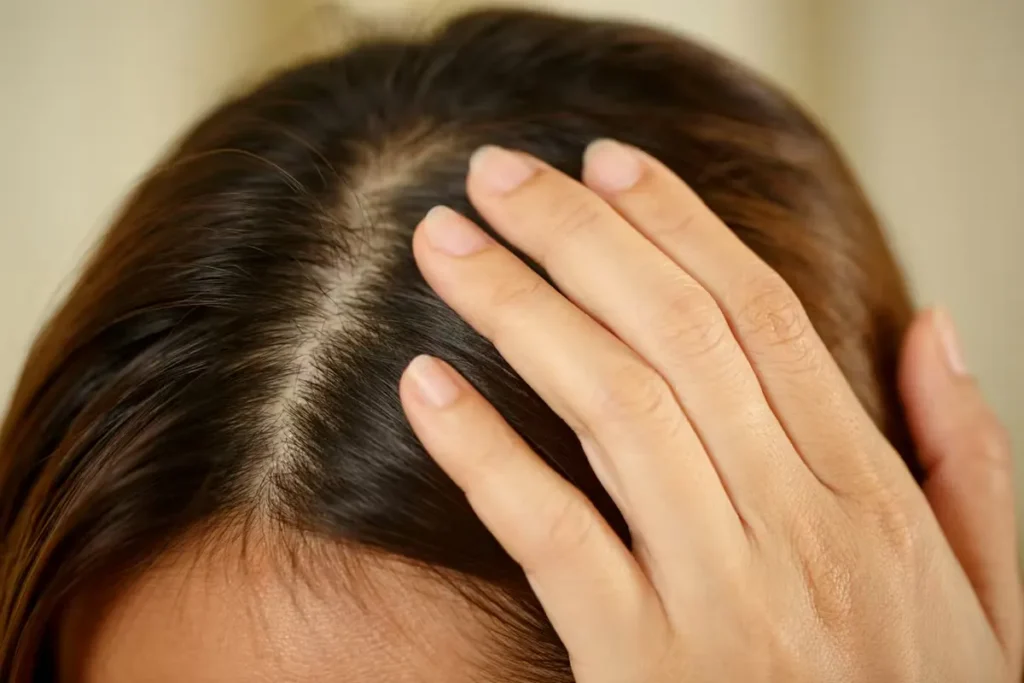
Learn how to remove dandruff from hair for a big win. Use amazing, powerful natural secrets to stop scary flakes and achieve health today.
Dandruff affects about 50% of the global adult population. In South Asia, this number goes up to 60.1%. It’s a common scalp issue that causes skin cells to fall off, leading to itching and flaking.
It’s important to know what causes dandruff and how to treat it. Research shows that dandruff comes from many factors. These include the skin’s bacteria, oil production, how our bodies react, and our genes.
Key Takeaways
Natural remedies can help manage dandruff effectively.
Dandruff prevalence varies globally, with higher rates in certain regions.
Understanding the causes of dandruff is key to effective management.
Home remedies can provide quick relief from dandruff symptoms.
A patient-centered approach is essential for scalp health.
Understanding Dandruff: Causes and Misconceptions
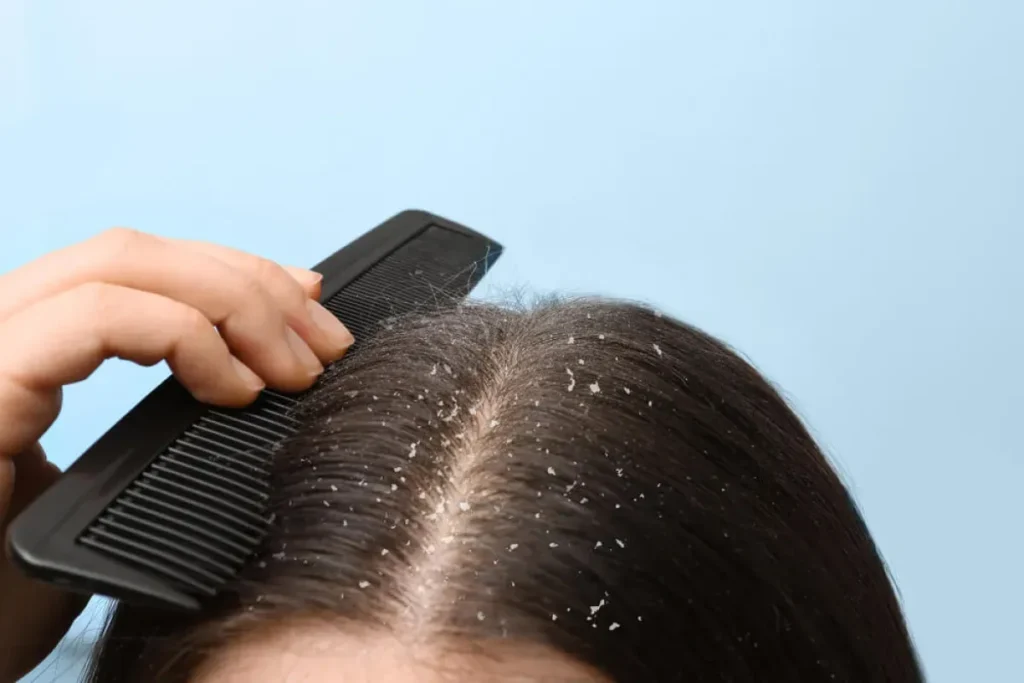
To understand dandruff, we need to look at its causes and clear up common myths. Dandruff is a scalp issue that makes flakes of dead skin. It can also cause itchiness and redness.
What Causes Dandruff?
Dandruff comes from a mix of things, like skin bacteria and how much sebum we produce. The Malassezia fungus, found naturally on our scalps, is key in causing dandruff. It eats the sebum, causing irritation and flakes.
Stress, being sensitive to hair products, and dry skin also play a part. Cold weather and dry air can make dandruff worse, making it a seasonal problem for some.
Common Misconceptions About Dandruff
Many think dandruff comes from not washing enough. But, dandruff is not from dirt or bad scalp care. It’s more about our skin, what we use on it, and our environment.
Another myth is that dandruff spreads. Dandruff is not contagious. It’s more about our health and scalp type.
Knowing the real reasons for dandruff helps us find good treatments. This includes natural dandruff remedies and DIY dandruff treatments. This way, we can get rid of dandruff and stop it from coming back.
How to Remove Dandruff from Hair Using Natural Remedies
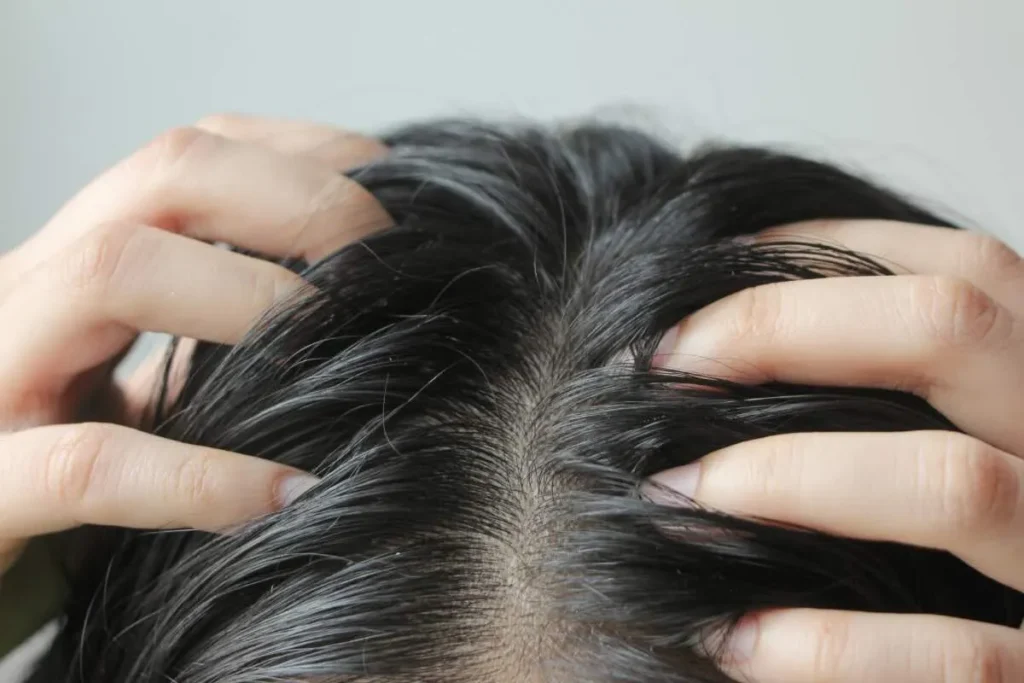
Looking for a way to get rid of dandruff without harsh chemicals? Natural remedies are a gentle and effective choice. Dandruff causes flakes of dead skin, itchiness, and sometimes redness. Natural options are safer and more sustainable than many over-the-counter treatments.
Tea Tree Oil Treatment
Tea tree oil is known for fighting fungi and bacteria. It’s great for dandruff. Mix a few drops with shampoo or apply it directly to your scalp. Massage it in and leave it on for 30 minutes before washing.
Benefits of Tea Tree Oil: It controls yeast growth on the scalp, which can cause dandruff. It also prevents infections with its antibacterial properties.
Apple Cider Vinegar Rinse
Apple cider vinegar can also help with dandruff. Its acidity balances the scalp’s pH, reducing flaking and itchiness. Mix equal parts vinegar and water as a final rinse after shampooing.
How it Works: The acidity in apple cider vinegar removes dead skin cells and controls yeast growth, both of which can lead to dandruff.
Aloe Vera Scalp Mask
Aloe vera soothes and moisturizes the scalp, making it a great remedy for itchiness. Apply the gel to your scalp, leave it on for 30 minutes, and then rinse with mild shampoo. It can calm irritation and reduce flaking.
Aloe Vera Benefits: It soothes the scalp, reduces inflammation, and moisturizes the skin. All of these can help with dandruff symptoms.
Coconut Oil Massage
Coconut oil is full of nutrients and moisturizes the scalp. Massage it into your scalp and leave it on overnight before washing with gentle shampoo. It nourishes the scalp and can reduce dandruff.
Nourishing the Scalp: Coconut oil’s fatty acids moisturize the scalp. This reduces flakiness and itchiness from dandruff.
Conclusion
Treating dandruff naturally is a good choice for those who don’t want harsh chemicals. Knowing what causes dandruff helps. Using natural treatments can reduce flaking, itching, and inflammation.
Tea tree oil, apple cider vinegar, aloe vera, and coconut oil are great for a healthy scalp. These natural remedies are gentle and sustainable. They help manage dandruff effectively.
Adding natural remedies to your hair care routine can make your scalp flake-free. It also improves your hair’s health. With the right treatment, you can say goodbye to dandruff and hello to a healthier, more confident you.
FAQ
What is the best natural remedy for dandruff?
Tea tree oil (properly diluted) is one of the most effective natural options because of its antifungal properties. Aloe vera can also soothe irritation and reduce flaking linked to Seborrheic dermatitis.
How can I get rid of dandruff overnight?
You can reduce flakes quickly with a medicated anti-dandruff shampoo or a soothing aloe vera application, but complete control usually takes 1–2 weeks of consistent treatment.
Is dandruff caused by poor hygiene?
No. Dandruff is not caused by poor hygiene. It’s mainly related to excess oil and sensitivity to scalp yeast, though infrequent washing can make flakes more visible.
Can I use apple cider vinegar as a dandruff treatment?
Yes, diluted apple cider vinegar may help balance scalp pH and reduce mild flaking. Mix with water (1:1), apply briefly, then rinse thoroughly.
How often should I use aloe vera for dandruff?
You can apply fresh aloe vera gel 2–3 times per week to soothe itching and reduce inflammation.
Are there any natural shampoos that can help with dandruff?
Shampoos containing tea tree oil, neem, or zinc-based ingredients (even in naturally marketed formulas) may help manage mild dandruff.
Can coconut oil help to remove dandruff?
Coconut oil can moisturize a dry scalp and reduce flaking from dryness, but it may worsen oily dandruff in some people.
What is the role of diet in managing dandruff?
A balanced diet supports scalp health. Zinc, B vitamins, omega-3 fatty acids, and reducing excess sugar may help manage inflammation and oil balance.
References
National Center for Biotechnology Information. Evidence-Based Medical Insight. Retrieved from https://pubmed.ncbi.nlm.nih.gov/26709840/





