
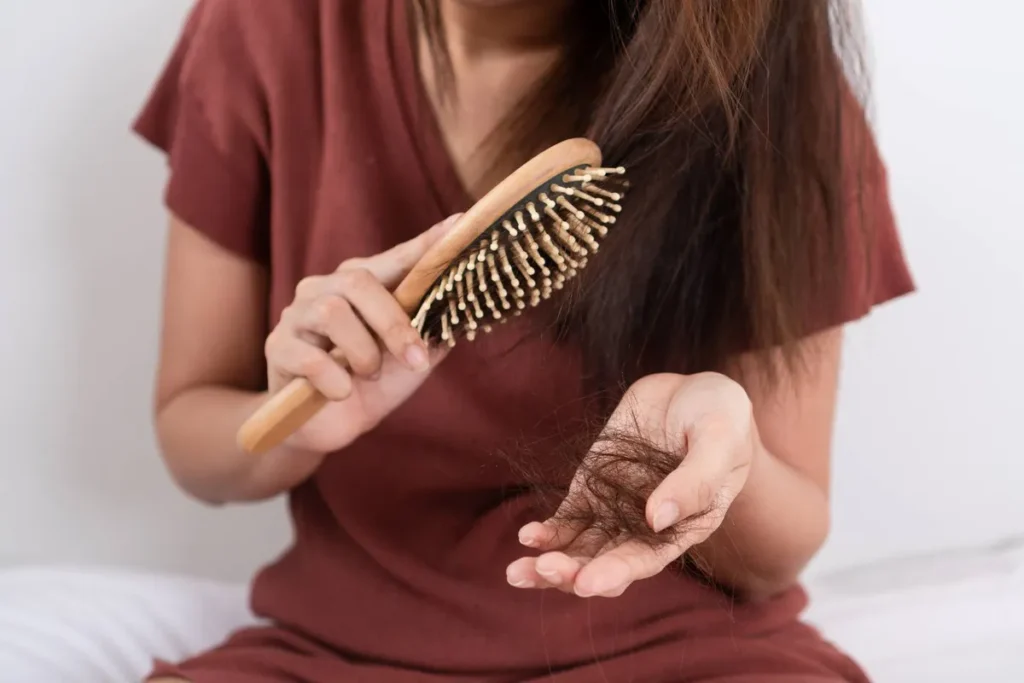
Hair loss is a big worry for millions of men around the world. About 85% of men deal with hair loss at some point in their lives. Many face this issue because of different reasons.
What causes hair loss in men? Discover the scary truth and find amazing, powerful ways to stop balding and achieve incredible hair regrowth.
Male pattern baldness is very common. It will affect nearly 43% of Americans and 41% of Canadians by 2025. Knowing what causes hair loss is key to treating it well.
Key Takeaways
Hair loss affects a significant majority of men worldwide.
Genetic factors, hormonal imbalances, and lifestyle influences are primary contributors.
Early intervention with proper medical evaluation can make a significant difference.
Understanding the causes of hair loss is key to addressing the condition.
Approximately 85% of men experience hair loss during their lifetime.
Male Pattern Baldness: The Primary Cause
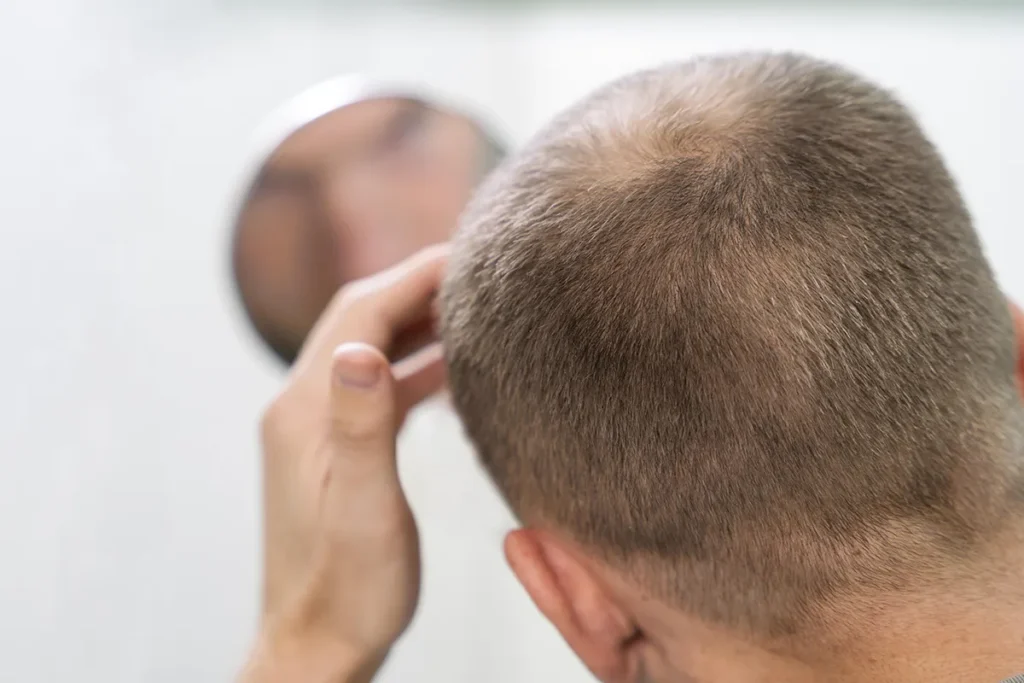
The main reason for hair loss in men is male pattern baldness. This condition affects hair follicles because of genetic sensitivity. It’s also known as androgenetic alopecia and causes about 95% of hair loss in men.
This condition makes hair thin, mainly on the top and front of the scalp. It happens gradually.
How Androgenetic Alopecia Affects Hair Follicles
Androgenetic alopecia happens when hair follicles are sensitive to dihydrotestosterone (DHT). DHT is a strong form of testosterone. It makes hair follicles shrink, leading to thinner, shorter hairs.
Eventually, hair production stops. This process can take years and happens at different rates for everyone.
DHT’s effect on hair follicles is key to understanding male pattern baldness. When DHT binds to androgen receptors in the follicle, it causes changes. These changes make the follicle smaller, leading to hair loss.
The Genetic Connection: Maternal and Paternal Inheritance
Genetics play a big role in male pattern baldness. Both maternal and paternal inheritance are involved. Men with a family history of baldness are more likely to lose their hair.
Genes from both parents contribute to androgenetic alopecia. This makes it a complex trait influenced by genetics and hormones.
Understanding the genetic basis of male pattern baldness is key to finding effective treatments. Recognizing the role of maternal and paternal inheritance helps men assess their risk. They can then consider preventive measures or treatments to fight androgenetic alopecia.
What Causes Hair Loss in Men: 6 Additional Factors
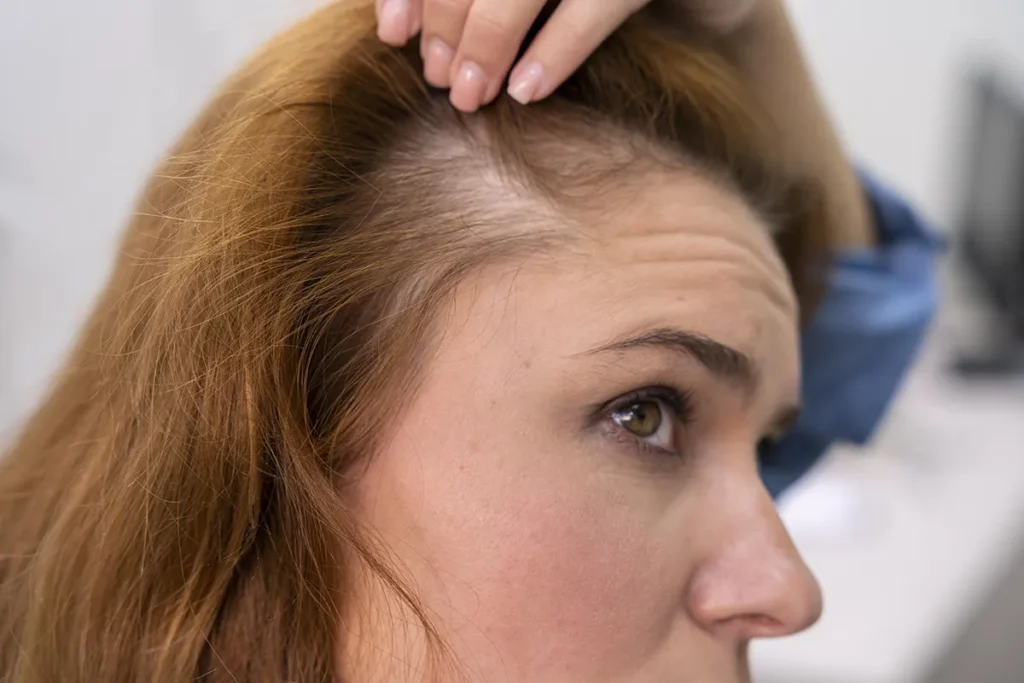
Male pattern baldness isn’t the only reason men lose their hair. Other factors also play a big role. Knowing about these can give a full picture of why men lose their hair.
Hormonal Imbalances and DHT Sensitivity
Hormonal imbalances, like being sensitive to dihydrotestosterone (DHT), are key in hair loss. DHT makes hair follicles shrink, leading to thinner, shorter hair.
DHT sensitivity is a big factor in androgenetic alopecia. Men sensitive to DHT tend to lose more hair.
Stress-Induced Hair Shedding
Stress is another big factor in hair loss for men. Stress-induced hair shedding happens when stress messes with the hair growth cycle, causing more hair to fall out.
This kind of hair loss is usually temporary. Managing stress can help. Things like meditation, exercise, and enough sleep can reduce stress-induced hair loss.
Nutritional Deficiencies and Poor Diet
A diet without the right nutrients can lead to hair loss. Lack of vitamins and minerals like iron, zinc, and biotin can harm hair health.
Lifestyle Factors: Smoking and Alcohol
Smoking and drinking too much alcohol can also cause hair loss. Smoking harms hair follicles and cuts off scalp blood flow. Drinking too much can lead to nutritional deficiencies.
Knowing about these factors helps men take steps to prevent or slow hair loss. Eating well, managing stress, and living a healthy lifestyle can help keep hair healthy.
Conclusion: Prevention Strategies and Treatment Options
Knowing why hair loss happens is key to stopping it. Early checks and diagnosis help find the cause. This way, we can choose the right treatment.
For men, treatments like medicines, PRP therapy, and lifestyle changes work well. These steps help prevent more hair loss and encourage hair growth.
Preventing hair loss also involves eating right, managing stress, and avoiding harsh chemicals. Combining these steps with medical treatments leads to better results.
Exploring different treatments and prevention methods helps control hair loss. This way, we can aim for a fuller, healthier head of hair.
FAQ
What are the best hair treatments for split ends
Trim regularly, use deep conditioning masks, protein treatments, bond-repair products, and serums to smooth and protect ends
What is the best hair serum for split ends
Popular options include Kérastase Nutritive Split Ends Serum, L’Oréal Paris EverPure Bond Repair Oil-in-Serum, Pantene Pro-V Split End Serum, K18 Molecular Repair Hair Oil, and Mise En Scene Perfect Serum
How can I prevent split ends
Trim every 6–8 weeks, avoid excessive heat, use heat protectant, brush gently when wet, and keep hair hydrated
What are the best products for treating dry ends
Look for keratin, proteins, argan oil, coconut oil, and silicones that hydrate and strengthen hair
Are there any affordable salon-quality hair treatments for split ends
Yes, drugstore serums and masks like Pantene or L’Oréal can smooth and protect ends at lower cost
What is a split end sealer, and how does it work
It temporarily bonds or coats split fibers to make hair look smoother but does not permanently repair splits
Can I use a leave-in serum for dry hair to treat split ends
Yes, leave-in serums hydrate, smooth, and protect ends throughout the day
What are the best hair remedies for split ends
Coconut or argan oil treatments, weekly deep conditioning masks, aloe vera or egg masks, regular trims, and gentle hair care
References
“WebMD. What Causes Hair Loss in Men? Retrieved from https://www.webmd.com/skin-problems-and-treatments/hair-loss/men-hair-loss-causes“





