
Scalp health is very important for our overall well-being. Millions of people worldwide face different hair and scalp problems. The scalp has many sebaceous glands and hair follicles, making it vulnerable to various conditions.
Understand scalp issues with the scary truth and a powerful fix. Use amazing, incredible ways to stop scary irritation and achieve health.
Knowing about these common scalp conditions is the first step to managing them. A scalp problems dermatologist can offer personalized care and advice to tackle these issues.
Key Takeaways
Scalp health is key for our overall well-being.
Many conditions can affect the scalp, from mild to severe.
A dermatologist can provide effective treatment for scalp disorders.
Understanding the causes and symptoms is vital for managing scalp issues.
Personalized care is essential for addressing hair and scalp problems.
Understanding the Impact of Scalp Issues
Our scalp’s health is key to our overall well-being. It affects hair growth and comfort. A healthy scalp is vital for hair to grow well, and scalp problems can cause symptoms like rashes, bumps, and hair loss.
Scalp issues range from mild flaking to severe hair loss and inflammatory disorders. These problems affect many people. They can be caused by genetics, environment, and lifestyle choices.
The Prevalence of Scalp Problems
Scalp issues are more common than people think. Conditions like dandruff, seborrheic dermatitis, and psoriasis are common. These can cause discomfort and affect one’s quality of life.
Dermatological studies show many people face scalp problems. For example, dandruff is common, more so in certain age groups.
How Scalp Health Affects Overall Wellbeing
Scalp health is linked to overall health. Scalp disorders can cause discomfort like itching, redness, and hair loss. This can lower self-esteem and quality of life. Some scalp conditions are linked to systemic health issues, making scalp health important for overall health care.
Effective scalp disorders treatment and management of skin and scalp conditions are key. Understanding causes and symptoms is the first step to finding the right scalp problems and treatments.
By focusing on scalp health, people can alleviate symptoms and prevent severe conditions. It’s important to know the signs of hair scalp disease and seek professional advice for diagnosis and treatment.
In conclusion, understanding scalp issues is vital for overall health and well-being. Recognizing the prevalence and effects of scalp problems helps individuals manage their scalp health and improve their quality of life.
The scalp can face many inflammatory problems, causing a lot of discomfort. These issues come from genetics, the environment, and our immune system. Knowing about these conditions helps us manage and treat them better.
Dandruff and Seborrheic Dermatitis
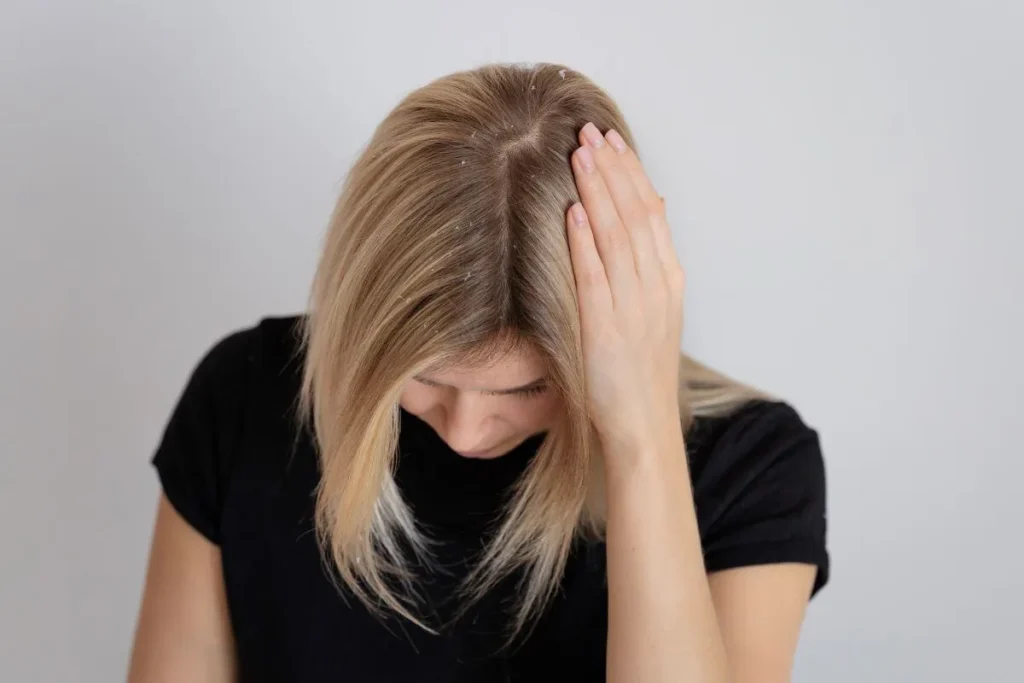
Dandruff and seborrheic dermatitis are common scalp problems. They make the scalp produce too many skin cells and get inflamed. Symptoms include flaking, redness, and irritation. These issues often come from too much yeast on the scalp. Treatment usually involves antifungal meds and special shampoos.
Seborrheic dermatitis can also hit other oily body parts, like the face and ears. To tackle these problems, we need to change our lifestyle and use topical treatments.
Psoriasis of the Scalp
Psoriasis is a chronic condition that can hit the scalp, causing thick scales and inflammation. Scalp psoriasis is hard to treat because the scalp is very sensitive. Treatment includes topical corticosteroids, light therapy, and medicines that affect the whole body.
Lichen Planopilaris
Lichen planopilaris is a rare condition that causes scarring hair loss on the scalp. It’s thought to be an autoimmune issue. Treatment uses medicines that suppress the immune system to reduce inflammation and stop hair loss.
It’s key to know the differences between these scalp conditions to treat them right. Here’s a table that summarizes each condition’s main points:
By knowing the causes, symptoms, and treatments for these scalp issues, we can manage them better. This helps improve our scalp health.
Infectious and Follicular Scalp Disorders
It’s important to know about infectious and follicular scalp disorders. They can cause discomfort, hair loss, and more if not treated. Understanding them helps in diagnosing and treating scalp issues.
Fungal Infections (Tinea Capitis)
Fungal infections like tinea capitis can lead to hair loss and discomfort. Tinea capitis, or ringworm of the scalp, spreads easily and needs quick treatment with oral antifungal meds.
Key symptoms of tinea capitis include:
Patchy hair loss
Redness and inflammation
Crusting or scaling on the scalp
Folliculitis
Folliculitis is an inflammation or infection of the hair follicles. It can be caused by bacteria or fungi. Symptoms include red bumps, itching, and pus-filled bumps on the scalp.
Effective management of folliculitis involves:
Maintaining good scalp hygiene
Using antifungal or antibacterial treatments as prescribed
Avoiding sharing personal care items
Hair Loss and Thinning
Hair loss and thinning can come from various scalp conditions. Knowing the cause is key to effective treatment.
Causes of hair loss and thinning include:
Treating the root cause is vital for stopping hair loss and helping hair grow back.
Conclusion
Knowing what causes scalp problems is key to treating them and keeping your hair healthy. Issues like dandruff, psoriasis, and fungal infections can really affect your life.
Scalp health is tied to your overall wellbeing. It’s important to tackle hair and scalp issues quickly. This way, you can avoid bigger problems.
Good scalp care and sometimes medical help can solve scalp issues. Knowing about treatments for common scalp problems helps keep your scalp healthy.
By focusing on scalp health, you can avoid many scalp problems and keep your hair in great shape. Understanding the causes and symptoms, and knowing how to treat them, is essential.
FAQ
What are the most common scalp problems?
Common scalp problems include dandruff, seborrheic dermatitis, psoriasis, fungal infections, folliculitis, scalp eczema, and hair loss.
How do scalp issues affect overall well-being?
Scalp problems can cause itching, pain, inflammation, stress, sleep disturbance, and self-esteem issues, impacting both physical and mental health.
What is the difference between dandruff and seborrheic dermatitis?
Dandruff is mild flaking without significant redness, while seborrheic dermatitis involves red, inflamed, greasy patches with thicker flakes.
What are the symptoms of psoriasis of the scalp?
Symptoms include thick silvery scales, redness, itching, soreness, and sometimes temporary hair shedding during flare-ups.
How is lichen planopilaris treated?
Treatment often involves topical or oral corticosteroids, immunomodulators, and anti-inflammatory medications to reduce inflammation and prevent permanent hair loss.
What are the causes of fungal infections on the scalp?
Fungal infections, such as tinea capitis, are caused by dermatophyte fungi, often spread through direct contact or contaminated objects.
How is folliculitis managed?
Folliculitis is managed with antibacterial or antifungal treatments, proper scalp hygiene, avoiding irritation, and warm compresses in mild cases.
What are the treatments for hair loss and thinning caused by scalp conditions?
Treatments include addressing the underlying scalp condition, topical minoxidil, low-level laser therapy, PRP therapy, or hair transplant in severe cases.
How can I maintain a healthy scalp?
Maintain a healthy scalp by using gentle shampoos, moisturizing, avoiding harsh chemicals, managing stress, and eating a balanced diet.
What are the potential consequences of neglecting scalp health?
Neglecting scalp health can lead to persistent itching, inflammation, infections, accelerated hair loss, and in some cases permanent scarring or bald spots.
References
National Center for Biotechnology Information. Evidence-Based Medical Insight. Retrieved from https://pmc.ncbi.nlm.nih.gov/articles/PMC6369642/





